House Histories
And other important stuff
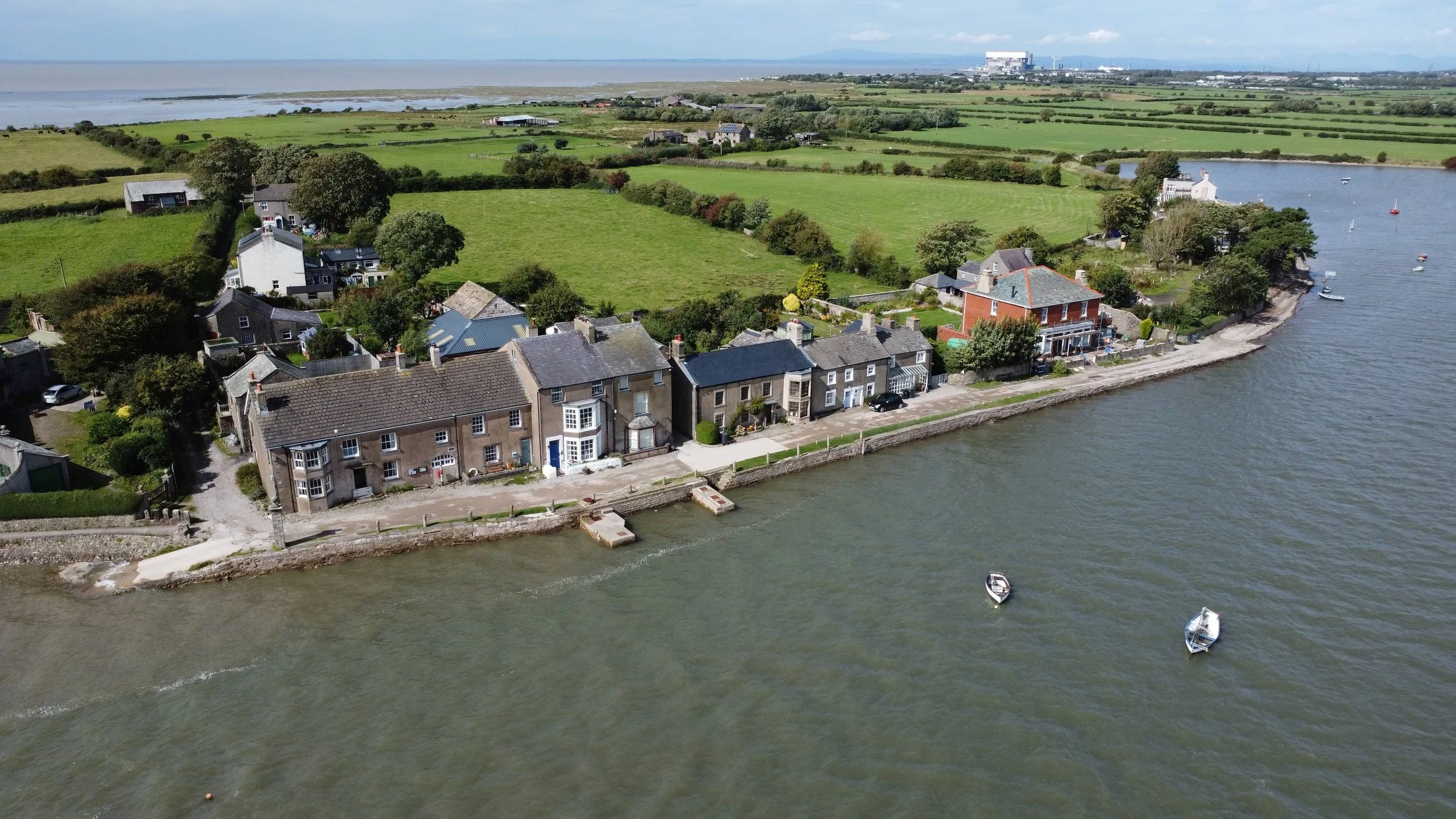
First Terrace: a Mark Fletcher photo
Soon after the website launched four years ago, Paul Hatten suggested that we write short histories for each house and hide them beneath each house's photo, revealed with a click of a mouse.
Although it’s not as sophisticated as Paul envisioned - we aren’t that skilful. Nevertheless, we’re releasing a new webpage today, inspired by Paul’s idea. Here’s the link.
The histories are not as short as Paul had in mind, either.
Over the past two years, we collected and combined information from the works of James W. Gardner, Hugh Cunliffe, Beth Hampson and many others, along with the research for the articles.
For the framework of who lived where, we have used census data to assign those listed to the village houses. Here is the link to the spreadsheet.
It is designed as a social history of who was living in these homes. Property ownership, while important, is in the background.
Some things stand out –
Some of the houses are much older than Historic England suggests. They say numbers 8 and 9 date to the early 1800s - we date them with certainty to at least 1744.
Only in the last 80 years or so have most houses become occupied year-round.
Jumping back 200 years to 1826, apart from the farms and the two hostelries, only 6 of the 20 homes were occupied by permanent families.
Most houses were summer lodgings or owned by local gentry and used as summer residences.
In 1826, the only permanent ‘owner-occupier’ was the grocer’s shop, number 4, where Thomas Wilkinson and his family lived. Thomas had purchased the property in 1816.
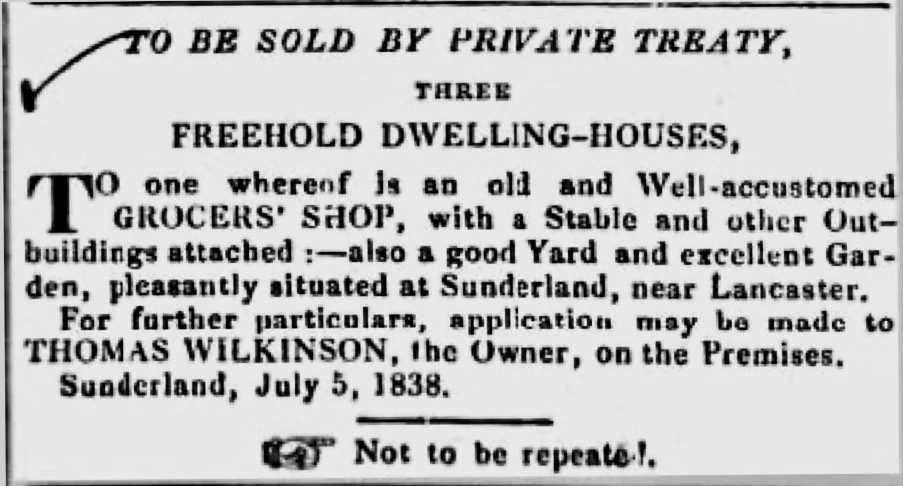
Thomas tries to sell but doesn’t: Courtesy Lancaster Gazette
At the end of the maritime era, after the last mariners, ropemakers, blacksmiths, and customs officials left in the 1790s, many of the families who moved in were weavers from Overton. It seems they continued to weave while taking up fishing.
Unsurprisingly, there were strong links of intermarriage between the families here and at Overton. What was surprising was how often an unfamiliar name could be traced back to an established family.
There were several tragic deaths by drowning: Richard Kitchen, John Spencer, Thomas Wilson, Thomas Pennington, William Curwen and William Seddon - all but William Curwen were married with families.
And two suicides by drowning: 18-year-old Mary Jane Barlow, a domestic helper at number 14 in 1886, and, most recently, Peter Butler in 1975.
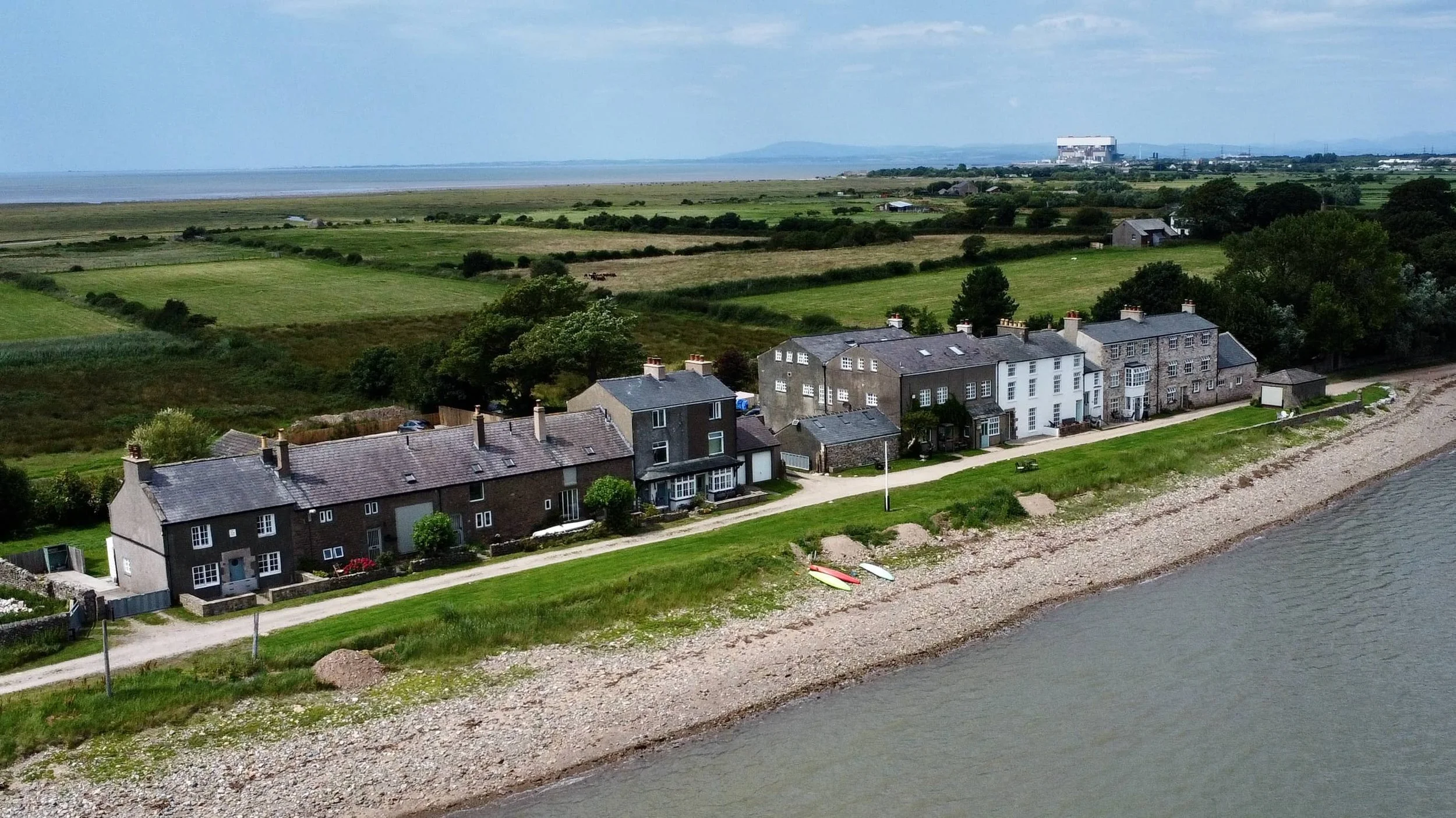
Second Terrace: a Mark Fletcher photo
The histories are works in progress. We've included what we know from historical sources, but many histories end around 1970. We need help from current and former residents and their families, if they wish, to bring the stories up to date.
It has been a major project, and we are tremendously grateful for the help and advice.
Paul Hatton
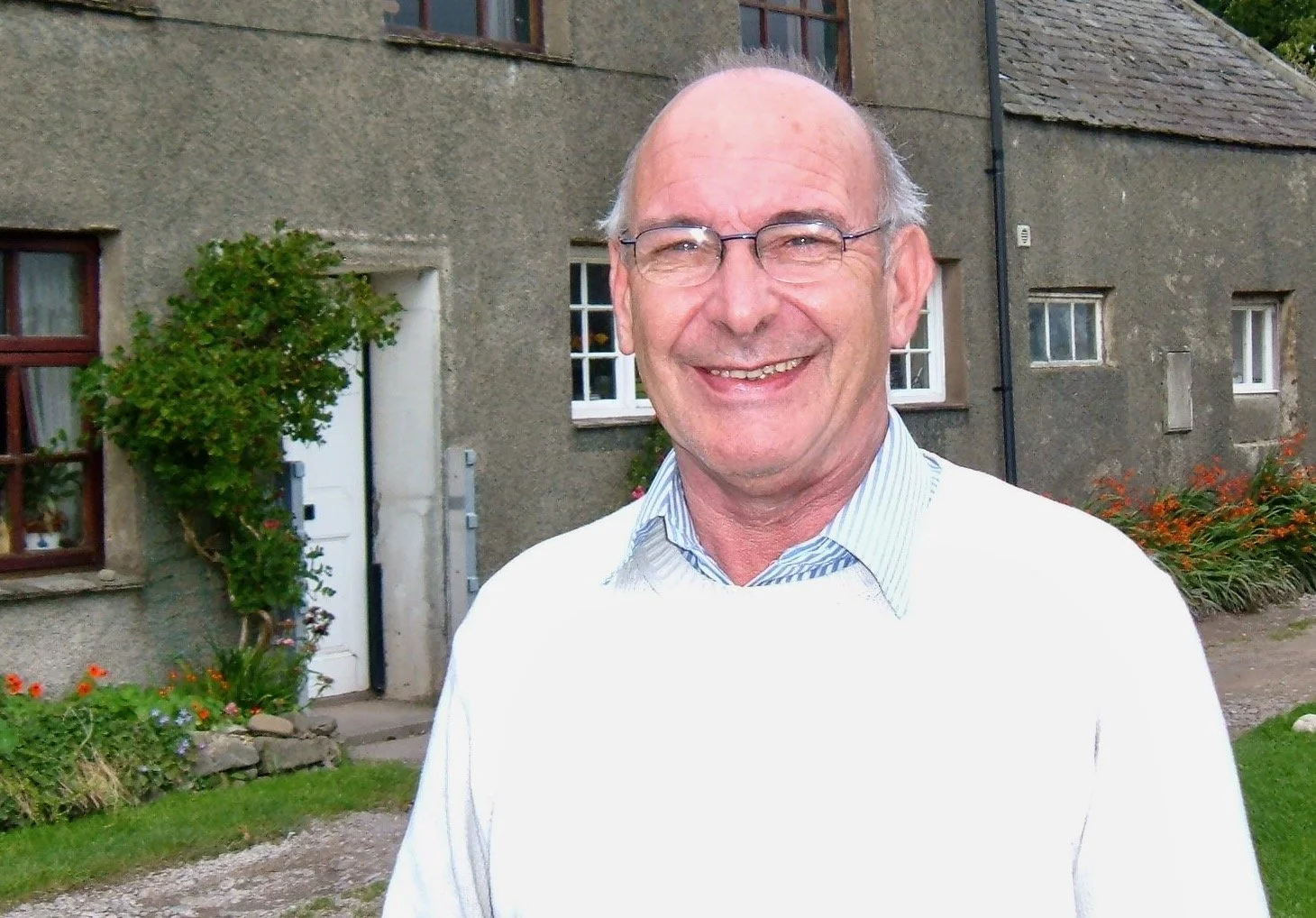
Paul outside number 13 at SP: Collection Ann Hatton
Paul died on July 2, 2026, aged 76.
He was a key member of the website team and created many wonderful maps and illustrations. Paul restored troublesome photographs and was our go-to expert on tides, sailing, navigation, and lighthouses. He delighted in detail and took quiet satisfaction in a job well done.
Paul was a natural educator. After university, he taught physics and chemistry before joining the global engineering company ABB, where he trained people in integrated automation for companies worldwide.
He loved skiing and was a dedicated sailor. He was also a keen non-fiction reader. Paul enjoyed mathematics for fun, spending afternoons puzzling over complicated formulae.
Paul was close to Kate, his daughter from his first marriage, who is a consultant anaesthetist. He took great pride in her accomplishments and illustrated the study guides she co-authored with her colleagues.
Paul and Ann married in 2008 while based in Telford. Paul retired early due to ill health, and in 2013 they moved to Heysham to be nearer to family.
Paul and Ann shared 20 very happy years of marriage. Ann is the sister of Lynne Levey, a Sunderland Point resident. Paul was also a lifelong friend of Lynne’s first husband and godfather to two of their children.
In addition to his work for the website, Paul generously gave his time and talents to Overton WI, the Overton Players and St Helen’s Church.
Ann remembers Paul as ‘the most loving, funny, kind, gentle, generous and unassuming person you could ever know.’
Website Articles
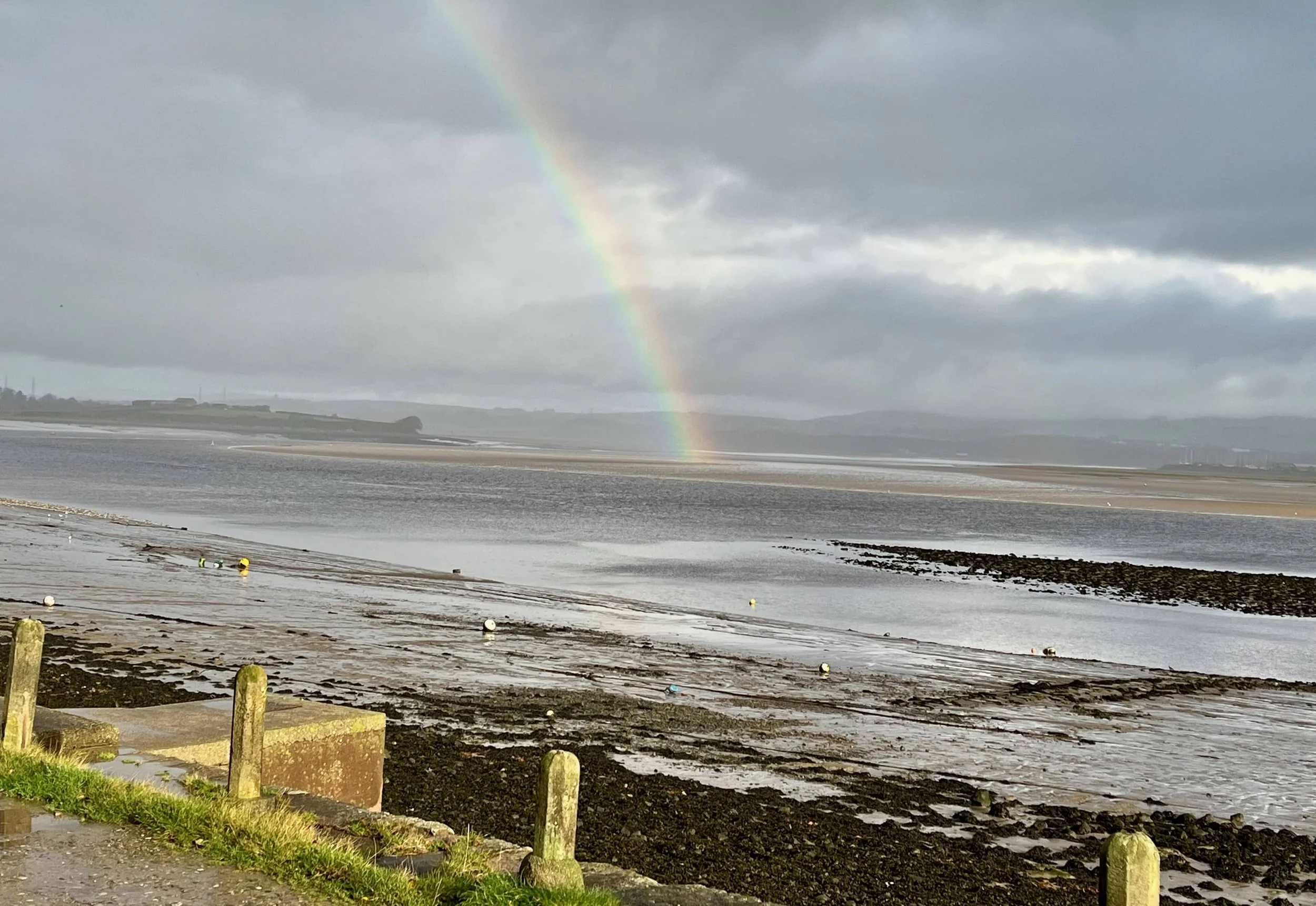
A gleam of inspiration: website photo.
Rather than publishing articles every two weeks, we are moving to a monthly cycle. It won’t be a fixed schedule: some posts will be published in parts, and when an external source sends us an article, we will publish it right away.
What’s being prepared
A lot. Our summer project has been to learn as much as we can about the river's health. This may have been a mistake, as the topic is so complex. We have ended up with two articles: a history and the current picture, both detailed and carefully worded to avoid errors and ensure neutrality (and a spell in clink).
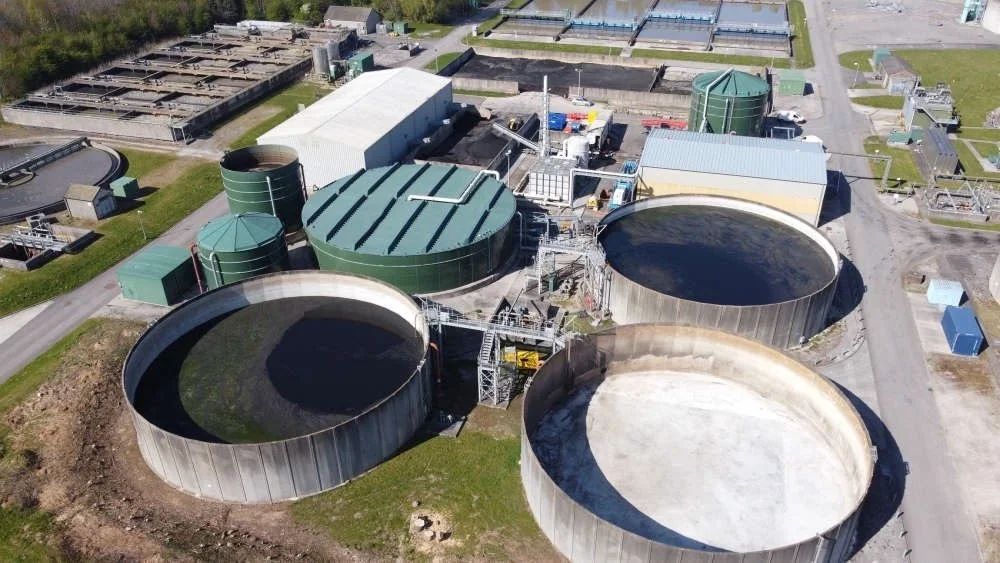
The Wastewater Works at Stodday near Lancaster: source United Utilities
We will also cover the great flood of March 1907. It may have been the worst night of flooding at Sunderland Point. The predicted spring tide (at Liverpool Gladstone Dock) was very high at 9.42 metres. The Lancaster Guardian reported that the storm surge may have added an extra two metres, driven by winds called in their headline ‘The Great Gale’
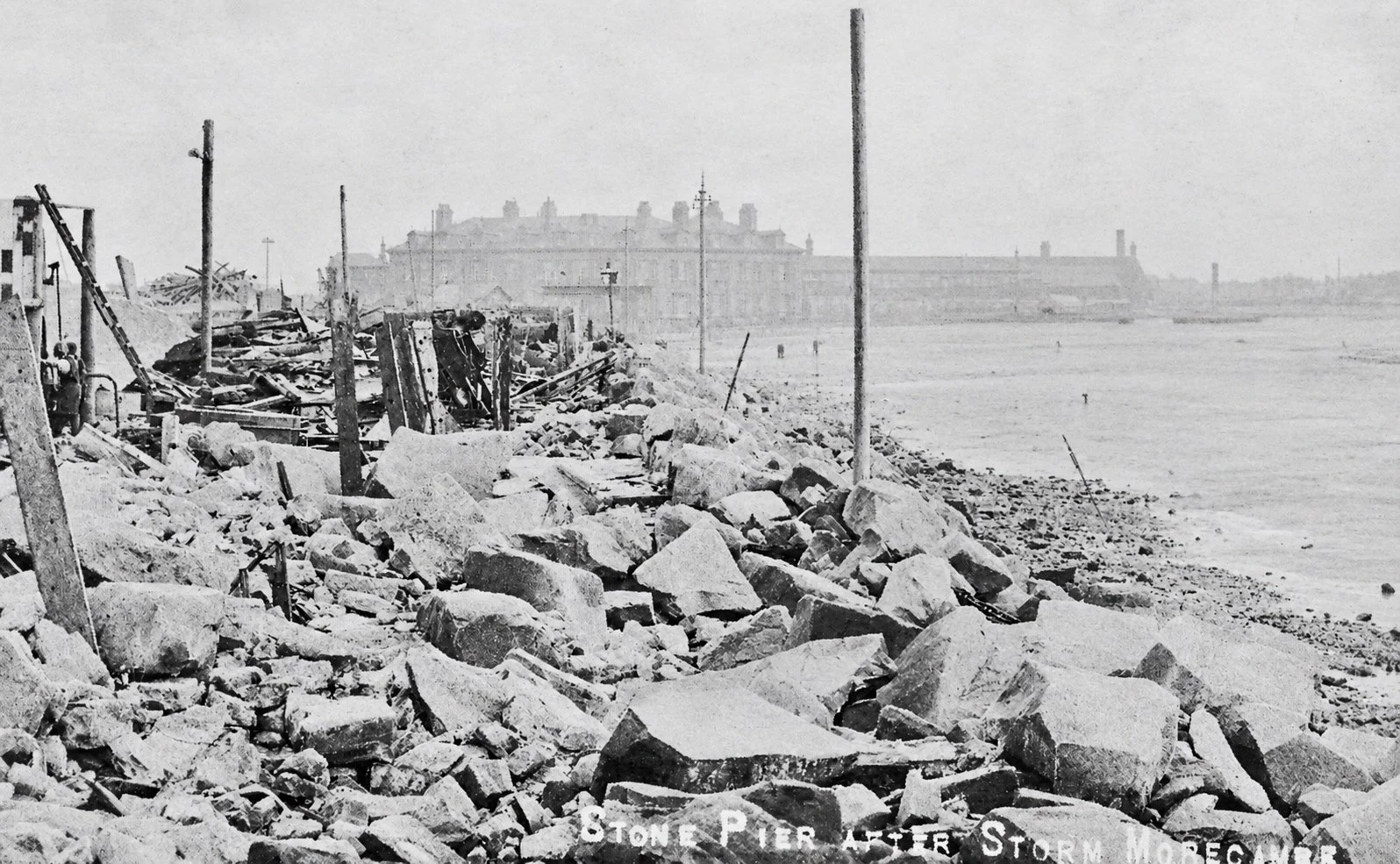
Damage to the Stone Jetty in Morecambe: Courtesy of Lancaster City Museums.
We are also working through recent discoveries that are providing surprising new findings and answers to long-standing questions.
Watch this space is strongly advised - we have some real crackers.
Finally
Thanks again for the help and support. As always, any info on SP, especially older photos, is very welcome.
It has been a lovely summer.
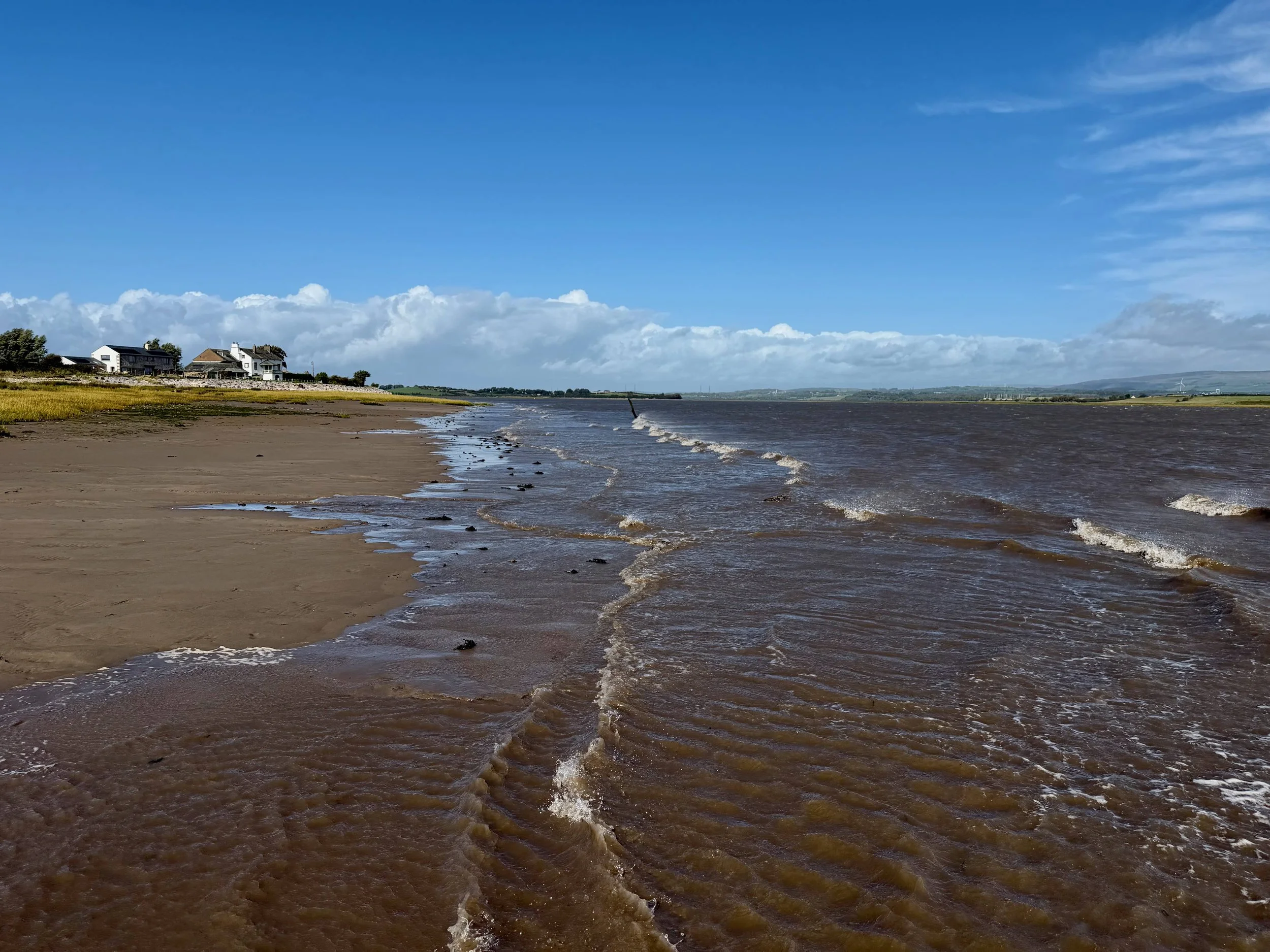
The rising tide at Hall End, early September 2026: Website photo
Next time, ‘A Clean River?’ part one, some of the history of pollution in the river.