House Histories of Sunderland Point
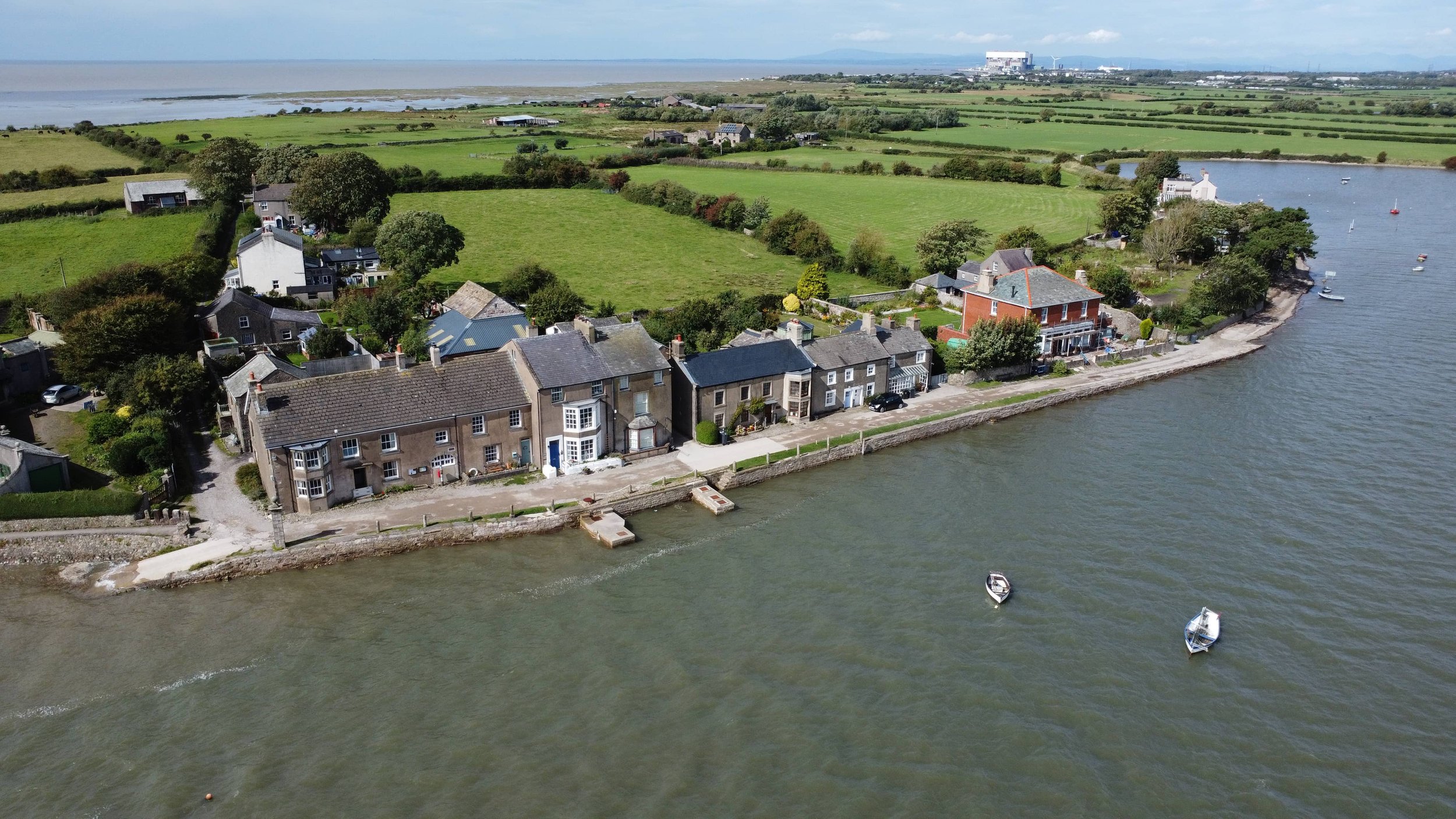
Photo: Mark Fletcher
The oldest house in the village is probably the Old Hall, which dates to 1683 and may have replaced an earlier house. It’s here that the first legal quay was located, marking the village's origins and growth as Lancaster's entry port. As trade expanded, warehouses were built, and shipbuilding and repair services were introduced to the settlement, built around existing farm buildings
The King’s Arms Inn with a brew house was added, perhaps in the 1720s.
When maritime activity ended during the 1790s, the warehouses and workshops were gradually converted into lodging houses as the community reinvented itself as a fashionable seaside spa.
Three new houses were built in the Lane between 1880 and 1890. The impressive Dolphin House was constructed between 1912 and 1914, and the last new building, the Anchorage, was built in 1925-26.
Later renovations to old properties created five new homes on Second Terrace.
Today, including the two farm buildings, we have a total of 37 homes.
We wanted to collect what we could about the early history of each one.
The 1840s OS map courtesy the National Library of Scotland
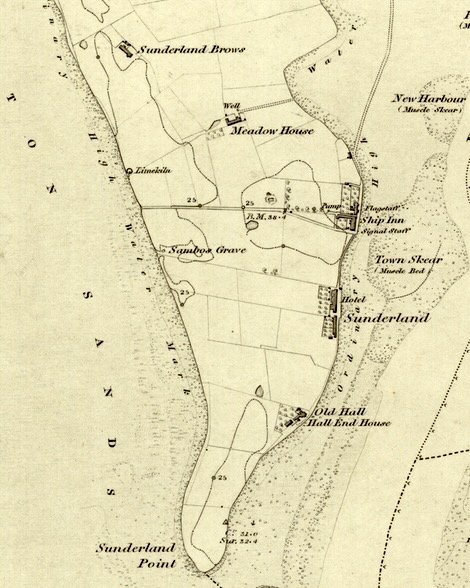
We used parish records, the 10-year censuses, electoral registers, the Tithe Survey, rate revaluations, auction for-sale and to-let notices, personal histories, listed buildings descriptions, photographs, legal documents and research by Hugh Cunliffe and Beth Hampson.
After the maritime age, until the 1960s, the houses fell into two groups: those occupied as second homes, visited mainly for holidays, and those in full-time occupation by residents, mostly engaged in fishing and farming.
For the permanent residents, a web of interconnected families quickly emerged, with members of the same family appearing in different houses. In the early years: the Dickinsons, Spencers, and Gerrards; later, but still connected, the Townleys, Gardners, and Smiths.
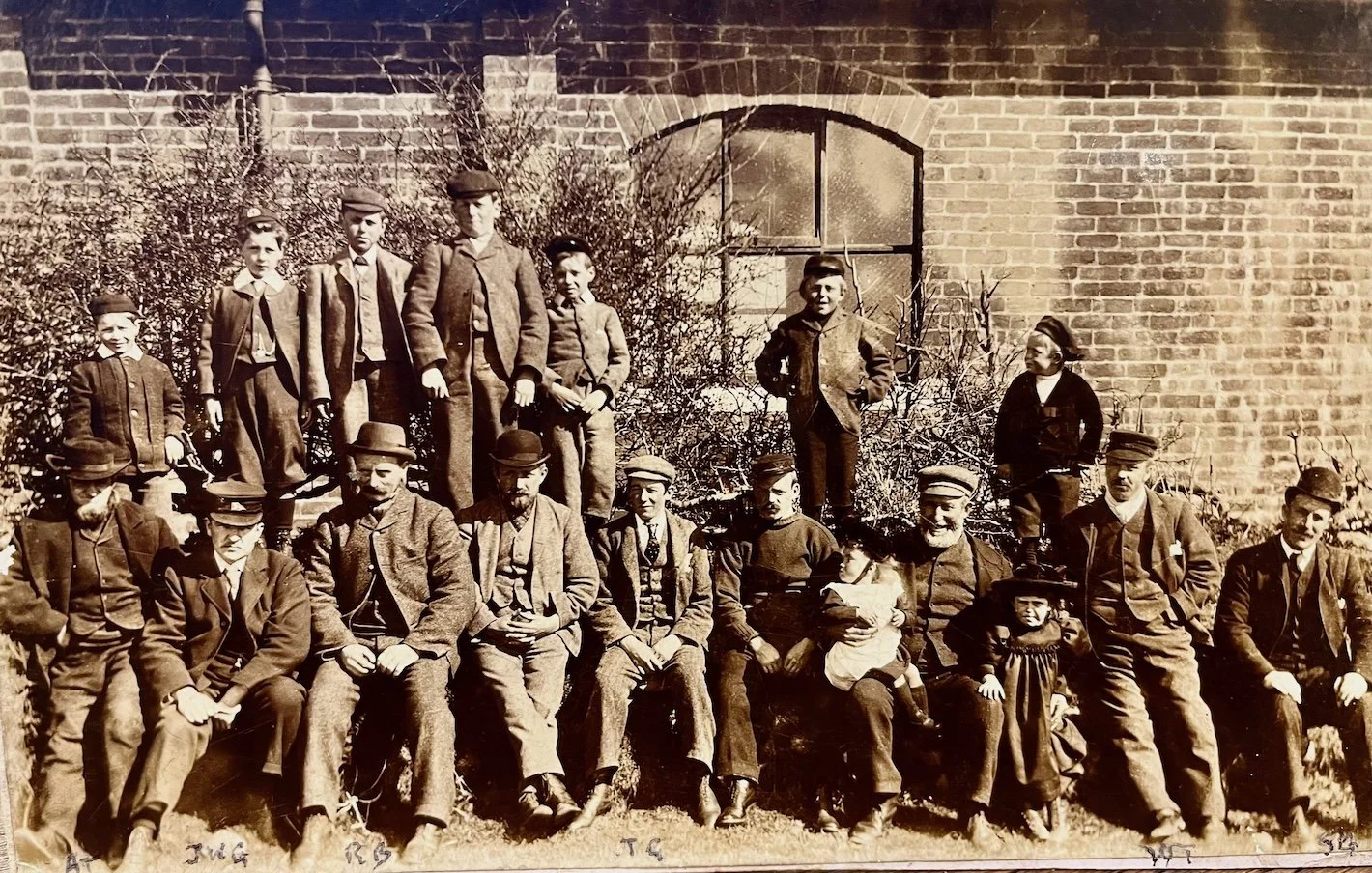
Villagers outside the Mission Church in late 1894
Click on the photo of a house, and a Word PDF will appear with the history.
Note 1: The history often ends in the 1970s, as research material is not readily available, and living relatives whose interests must be considered. Only those current residents who have given specific approval are named.
Note 2: This will be a ‘living history’: as new information comes to light or we have the approval of recent and modern residents, it will be added. We encourage past residents or anyone with a connection to the village to send information about their houses.
Note 3: We have checked the information, but there will be mistakes, and corrections are very welcome.
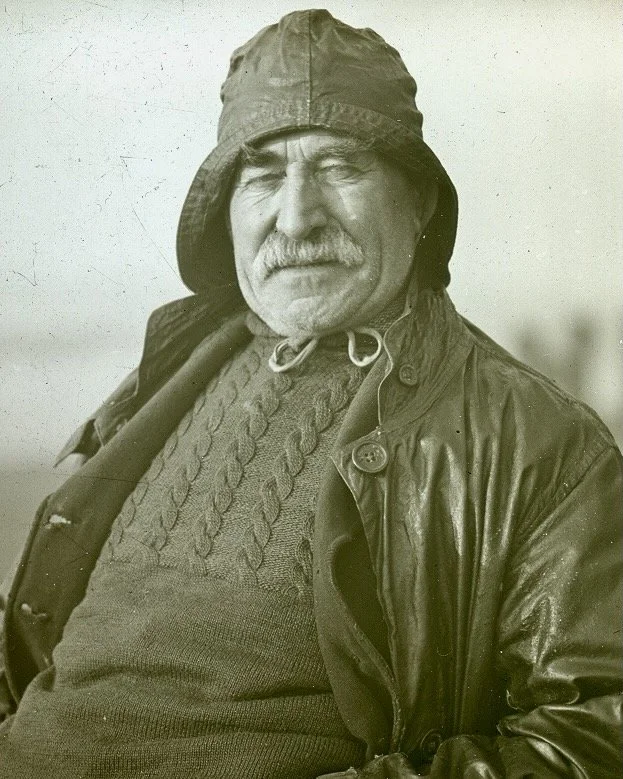
James ‘Shirley’ Gardner, fisherman. A Sam Thompson photo courtesy of the Lancashire Archives
Farms and first houses
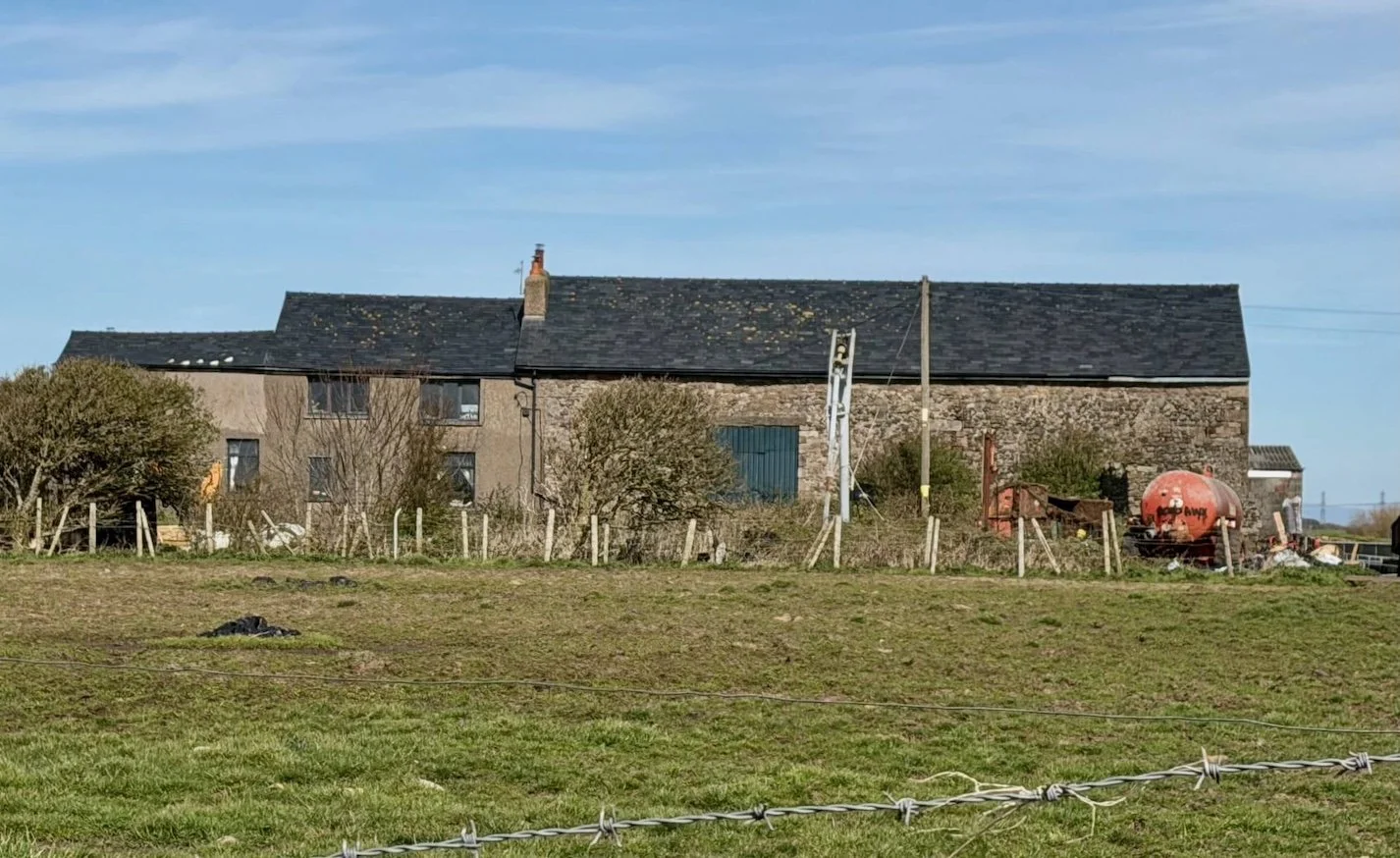
Sunderland Brows Farm
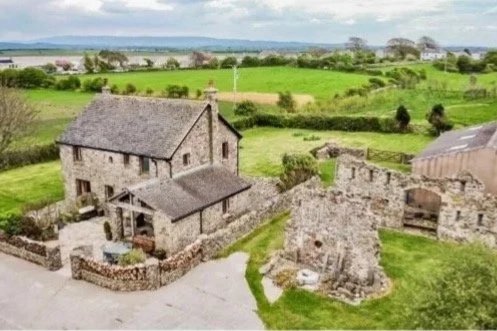
Meadow House
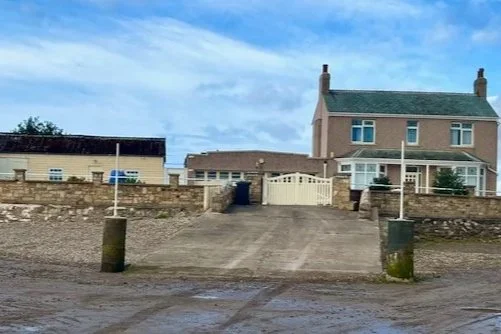
1. The Anchorage
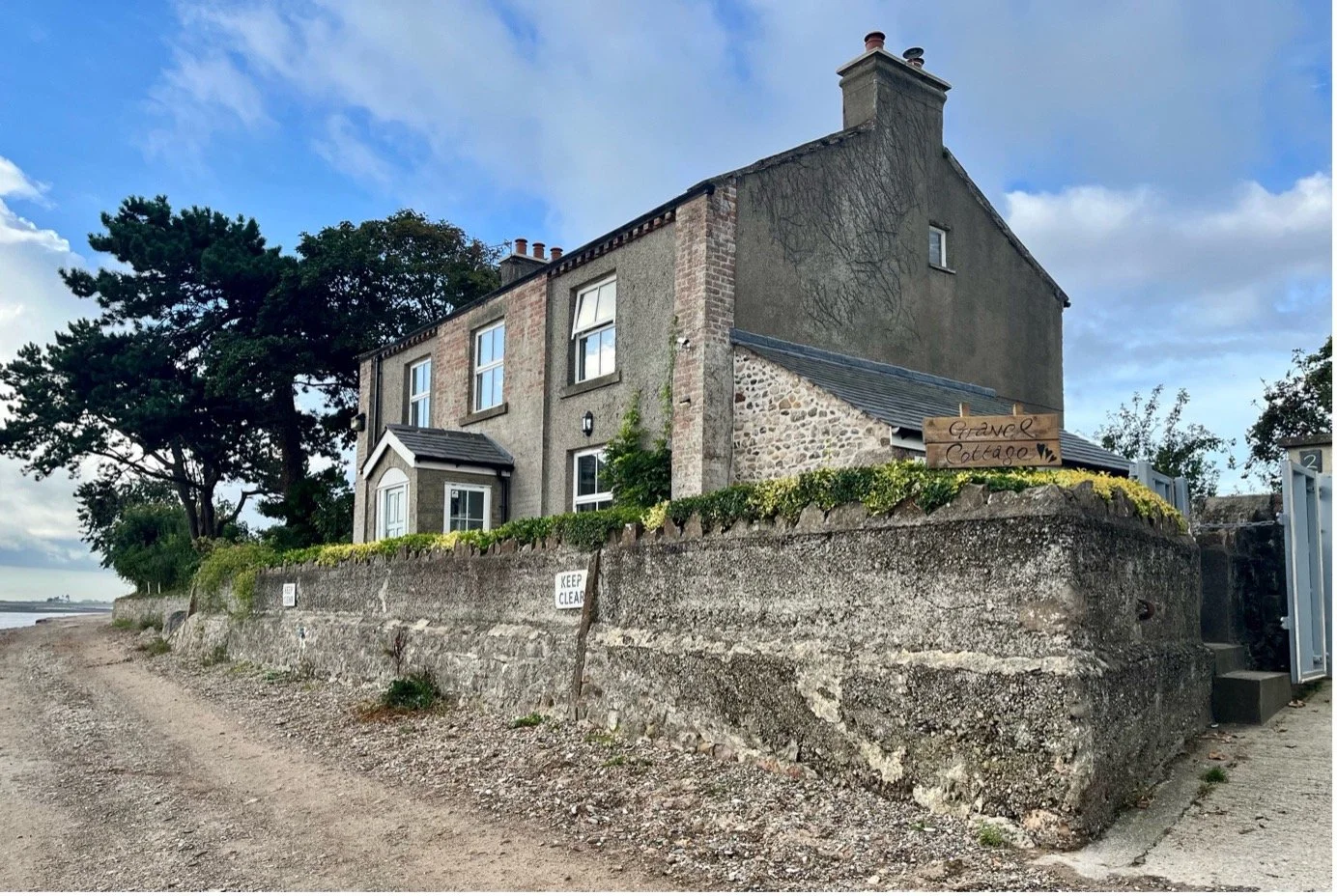
2. Gravel Cottage
First Terrace
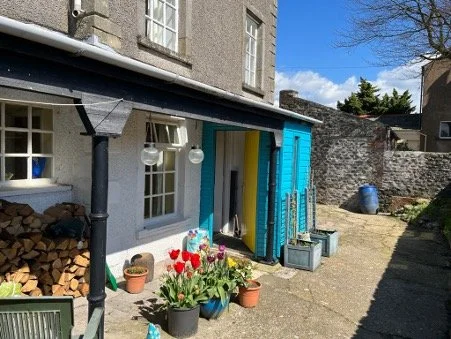
3A. Old Customs House
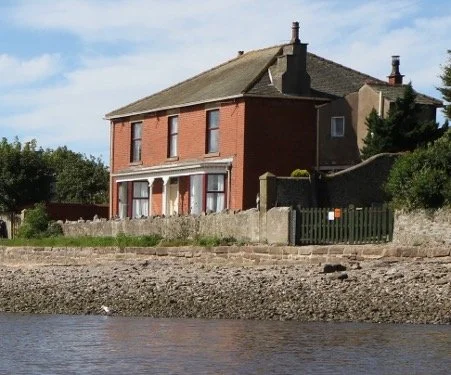
3. The Moorings
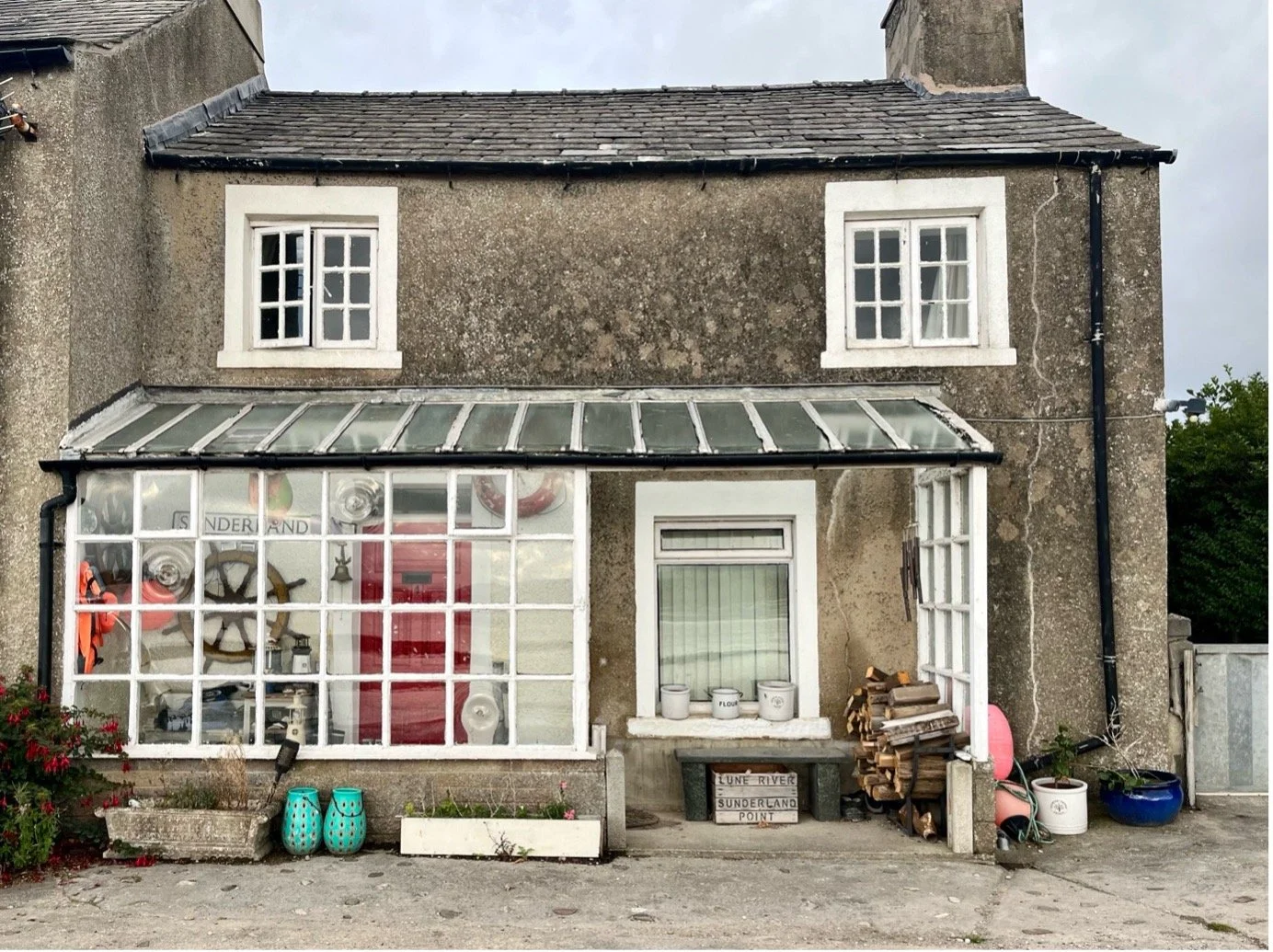
Number 4
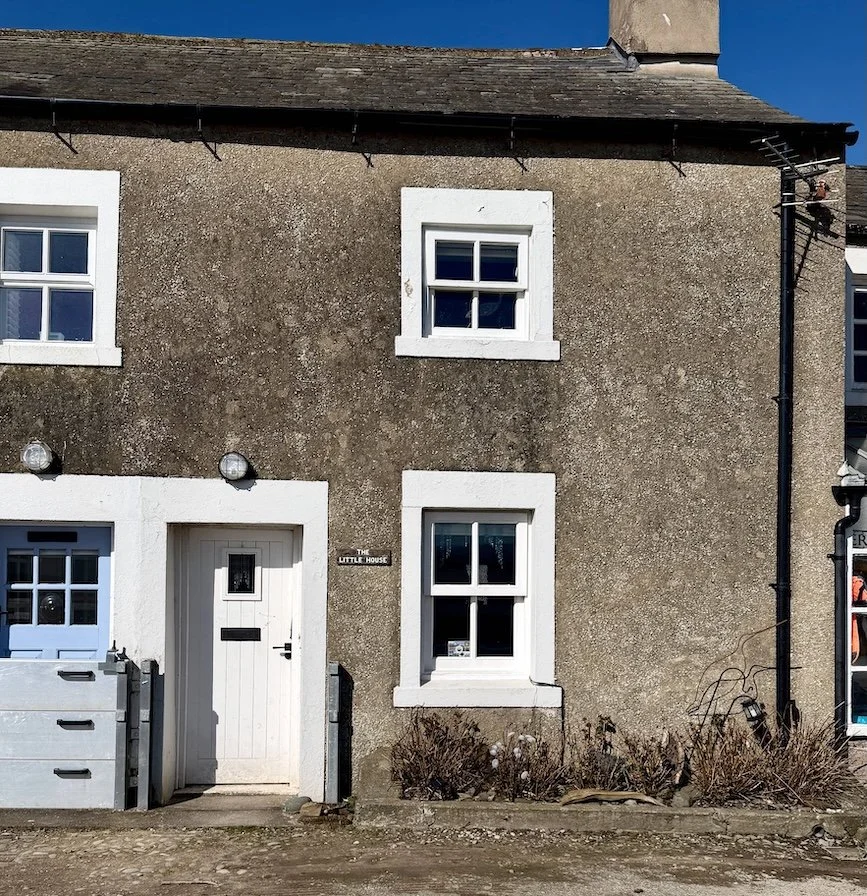
5. The Little House
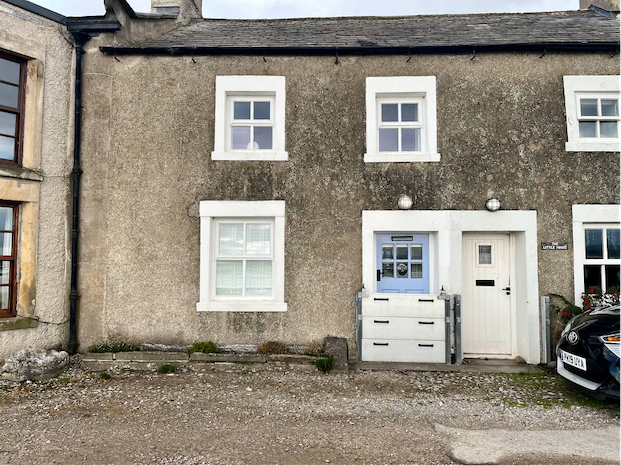
Number 6
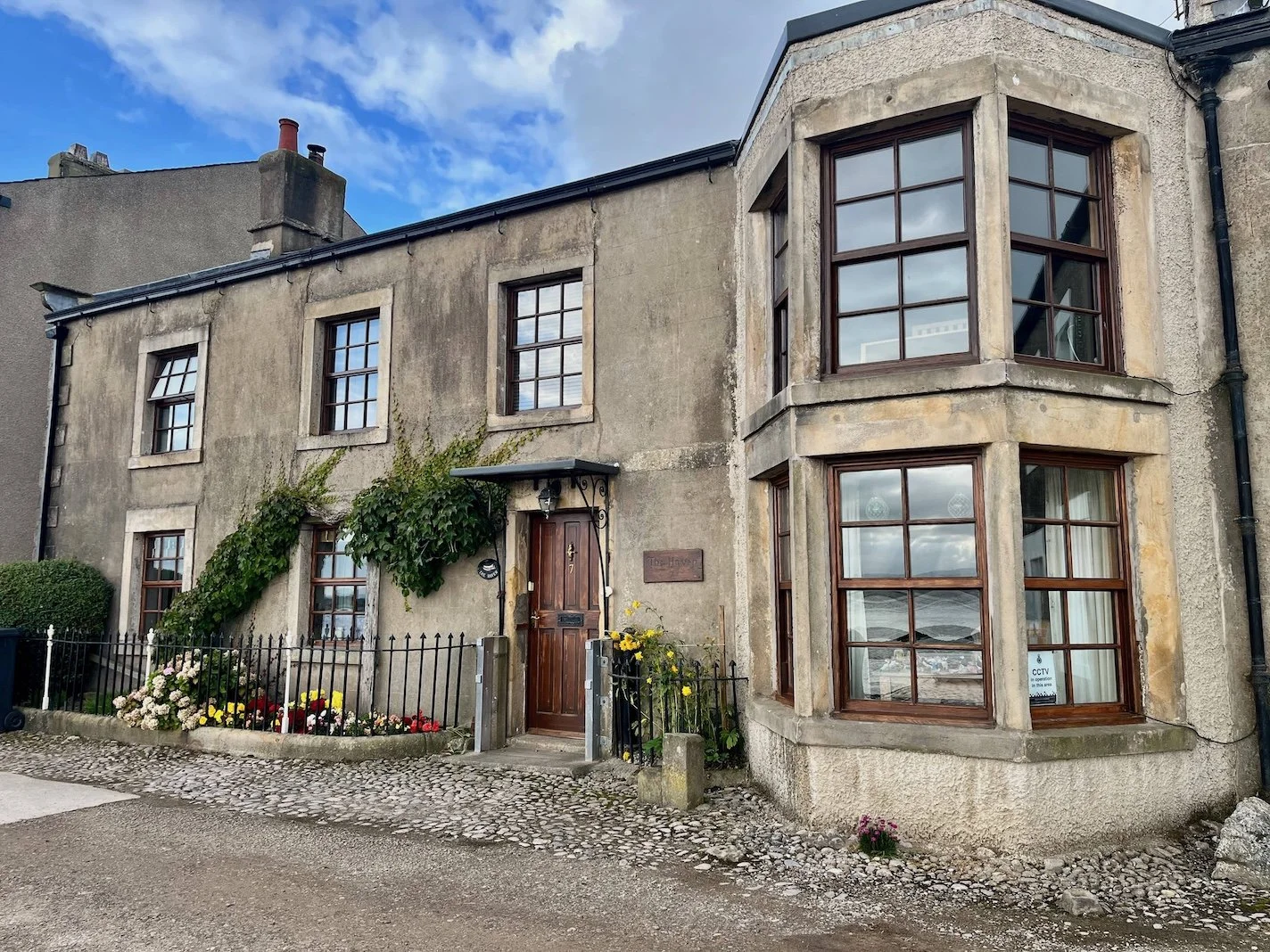
7. The Haven
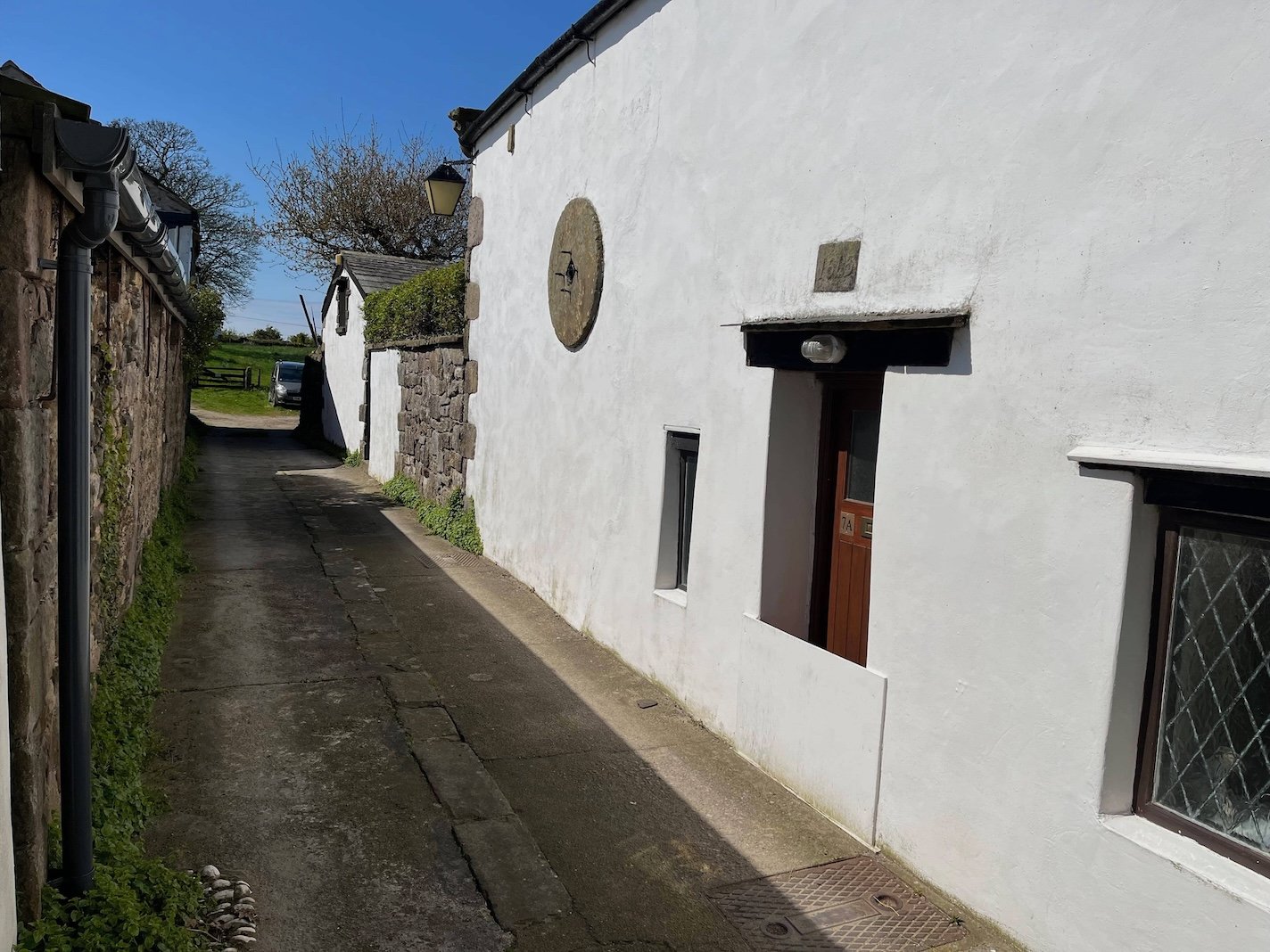
Number 7A
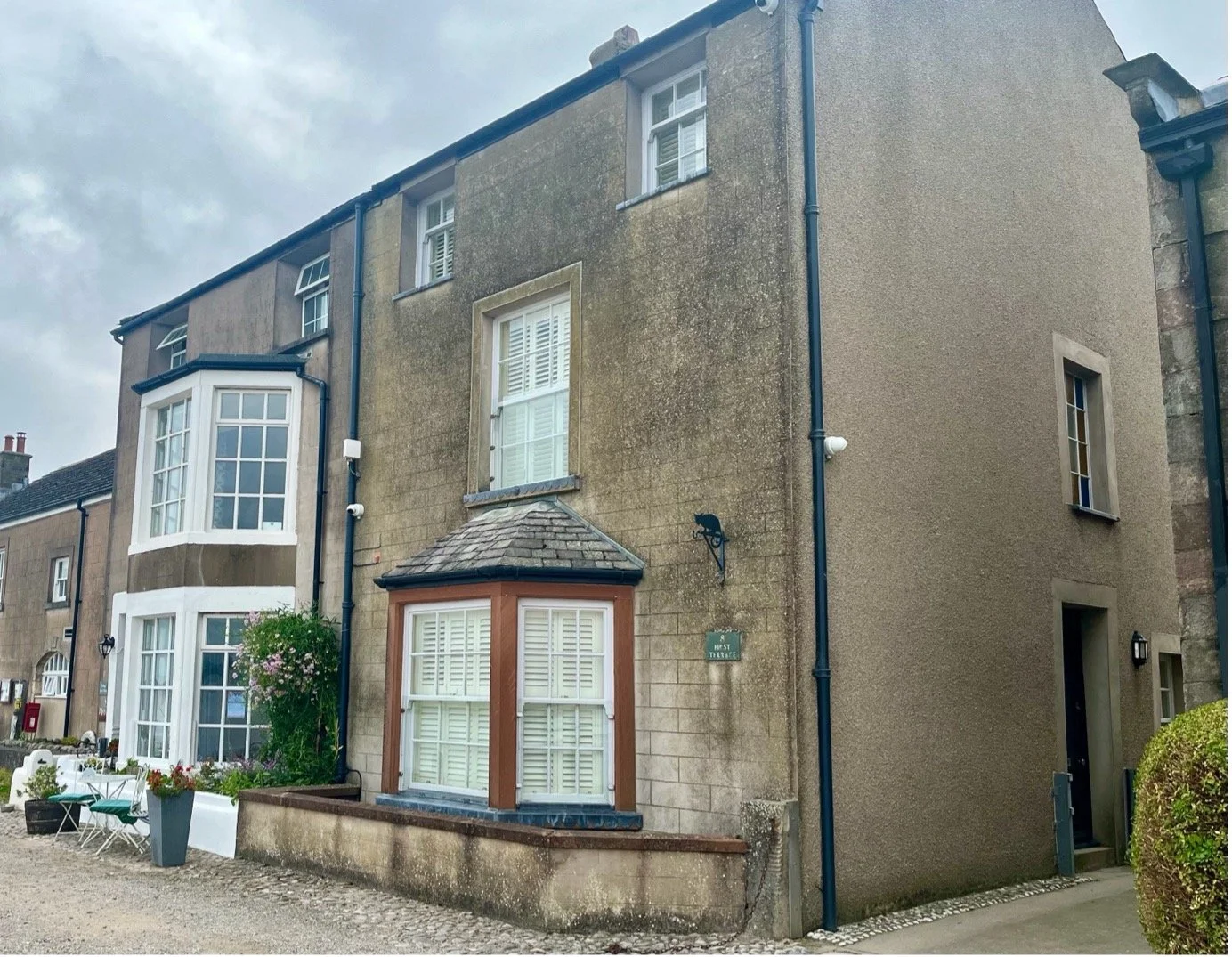
Number 8
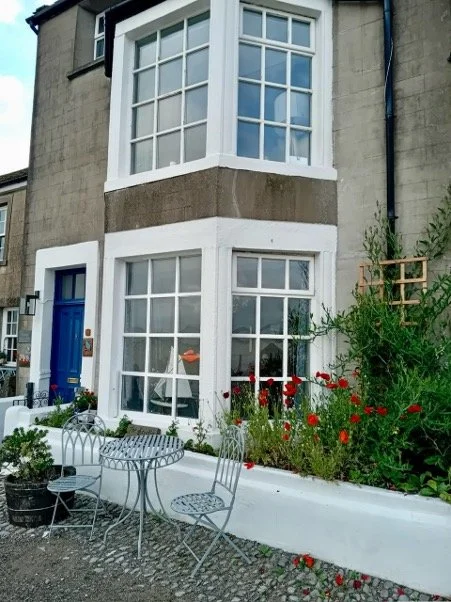
Number 9
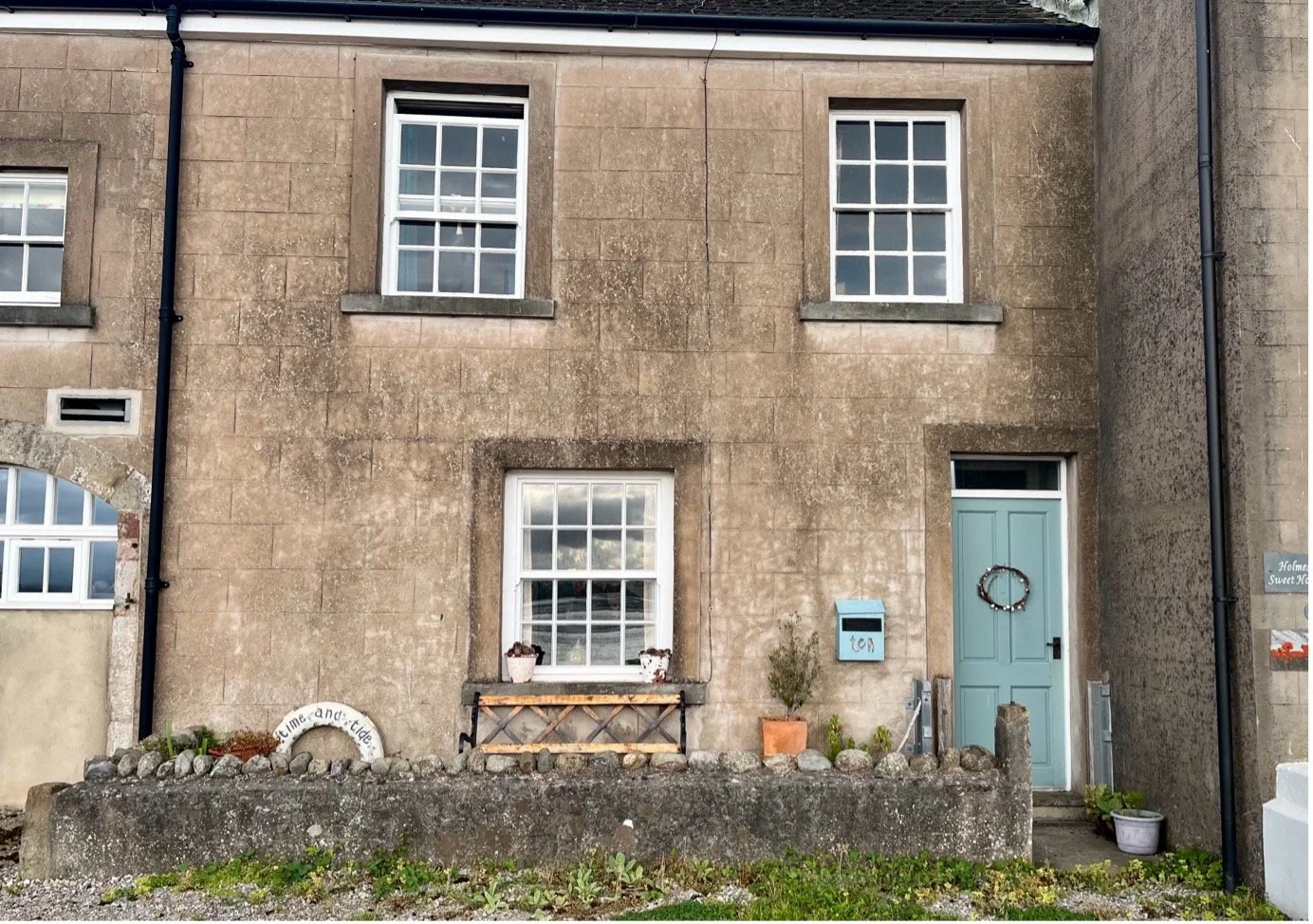
Number 10
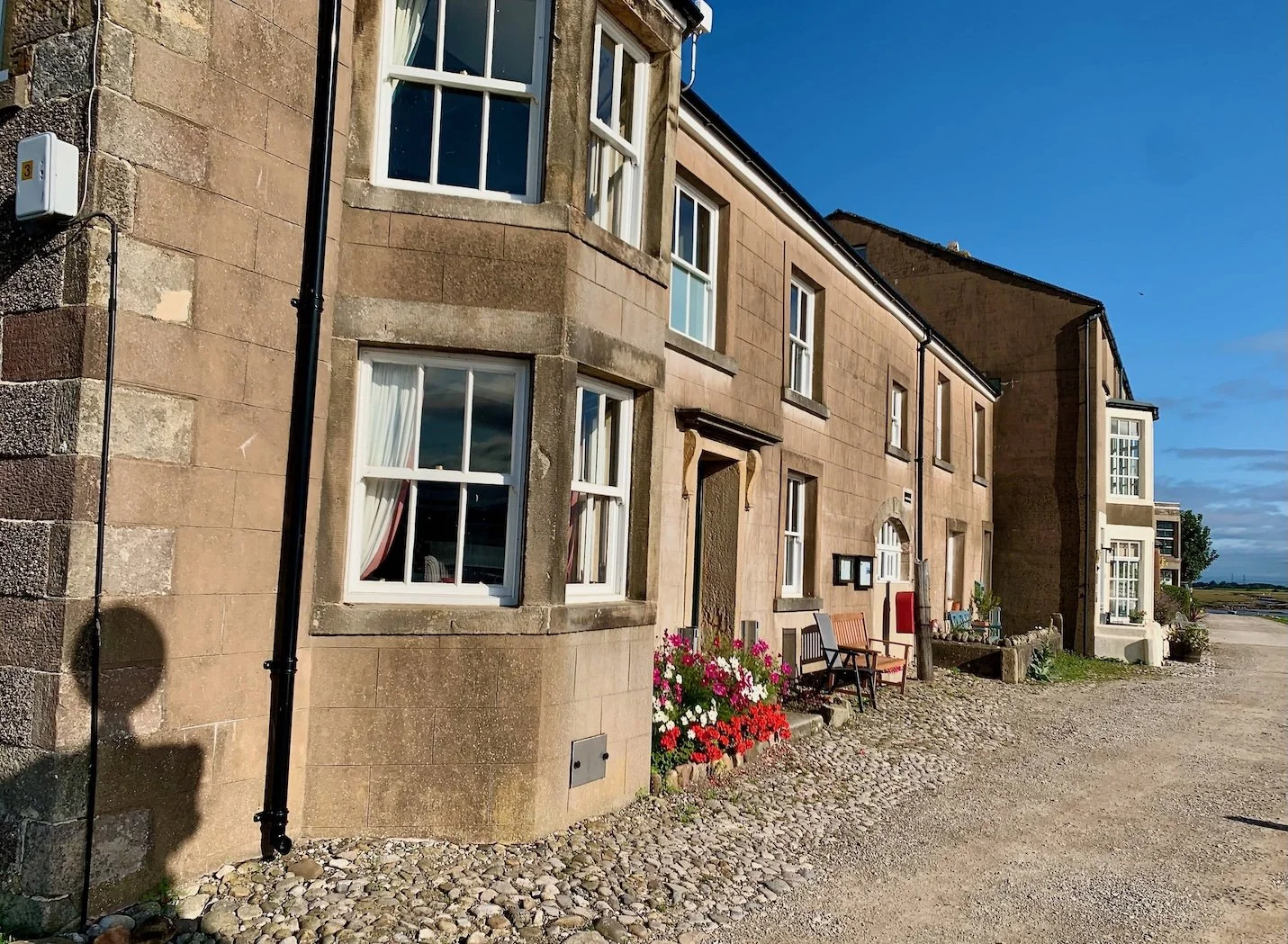
11. The Ship Inn
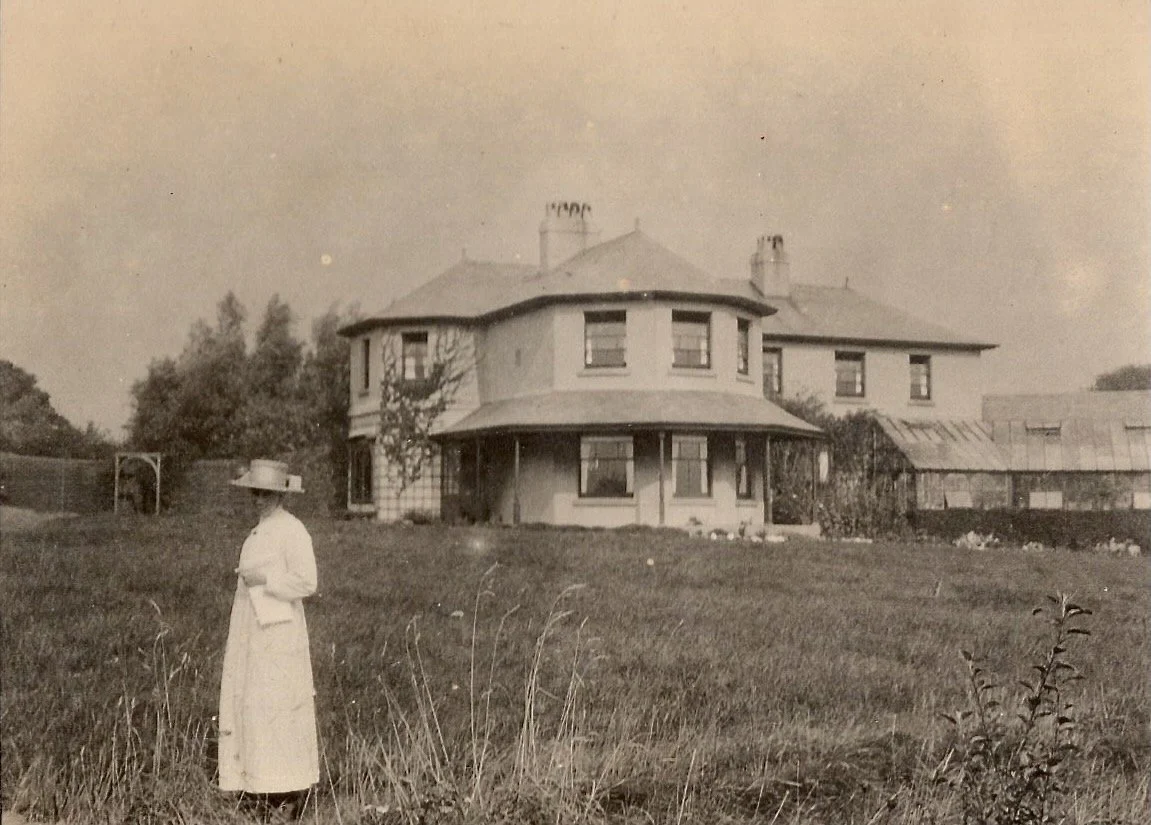
12. Dolphin House
Second Terrace
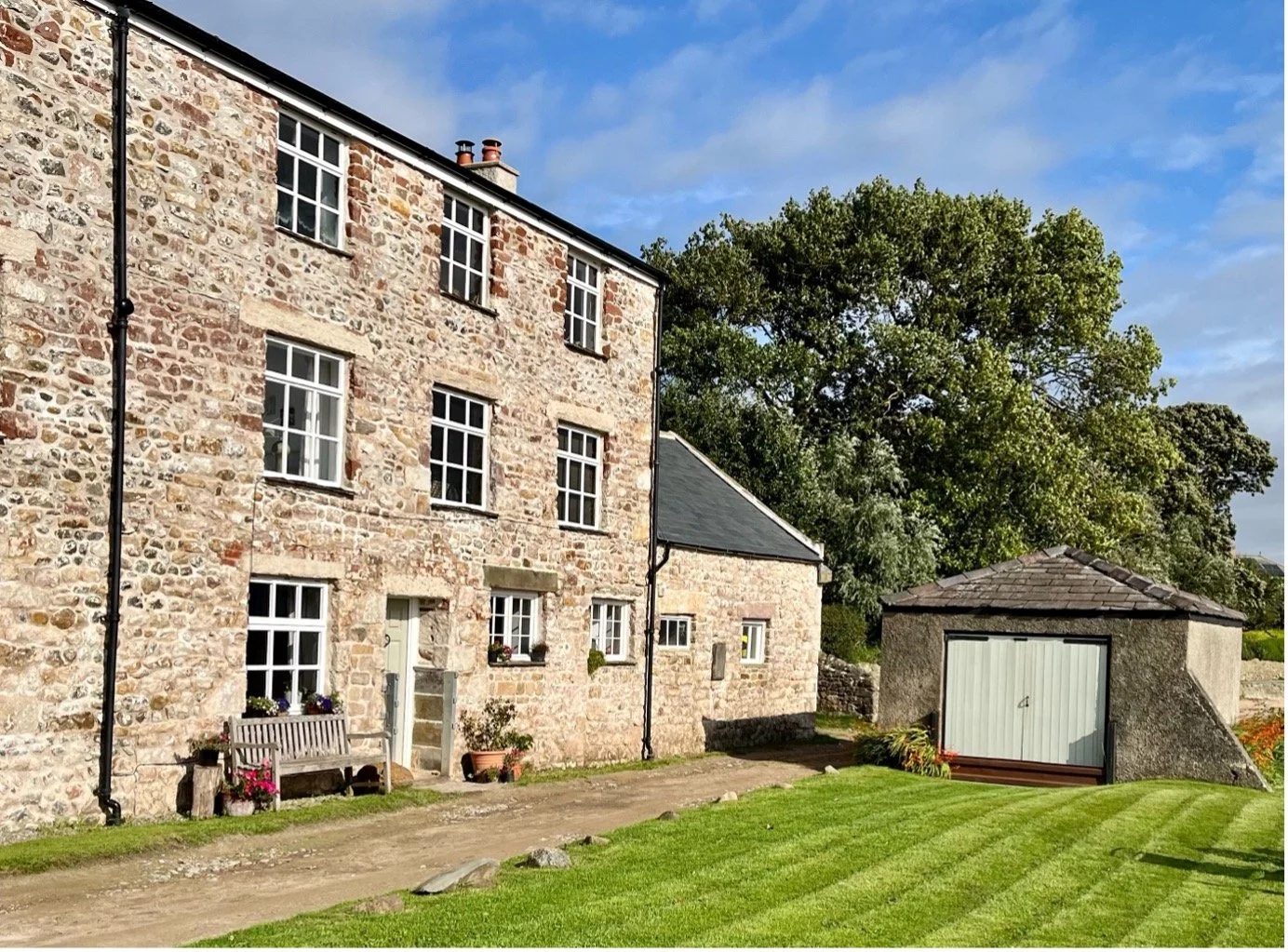
13. Hall Farm Cottage
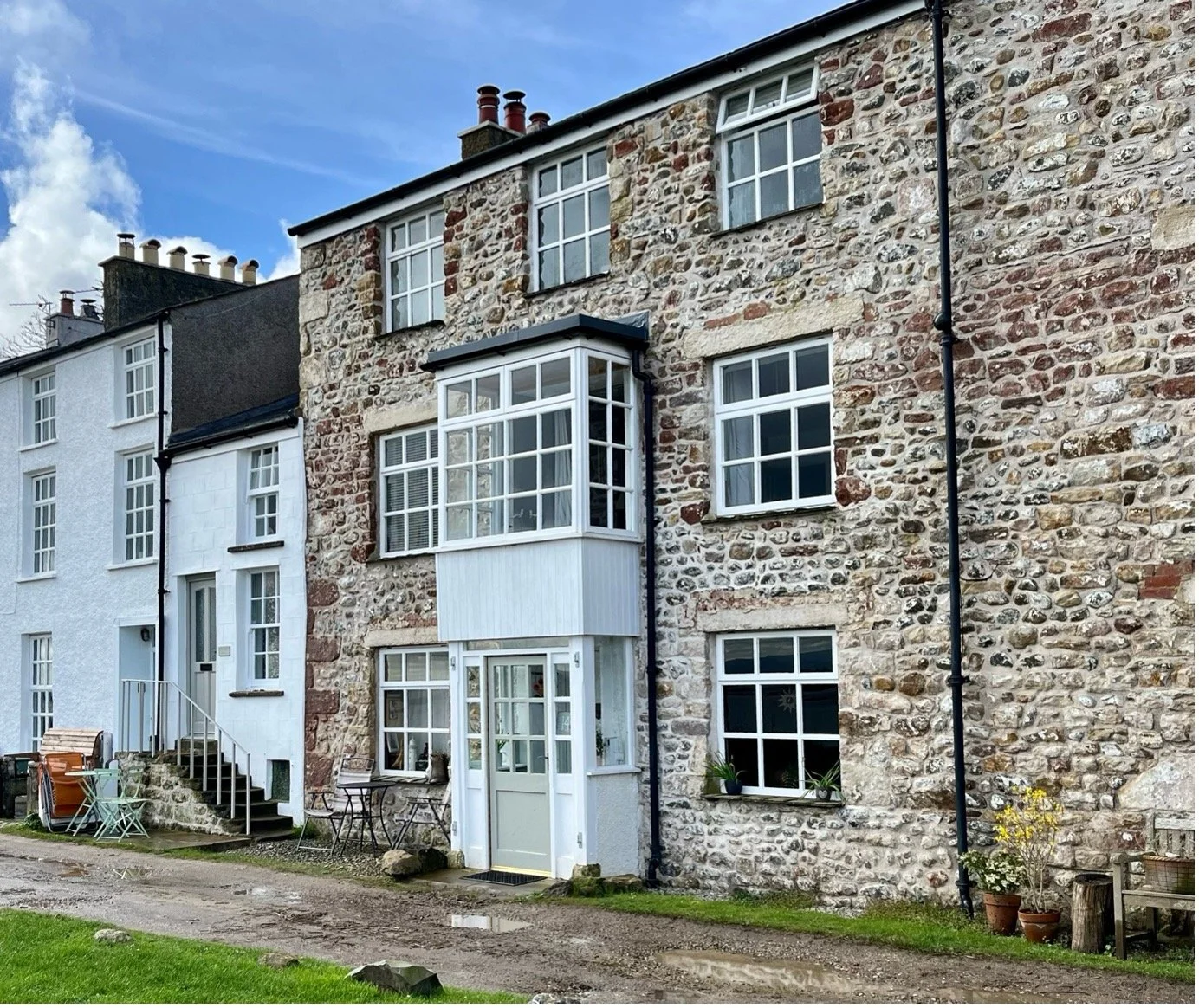
14. Hall Farm
15. Multum in Parvo
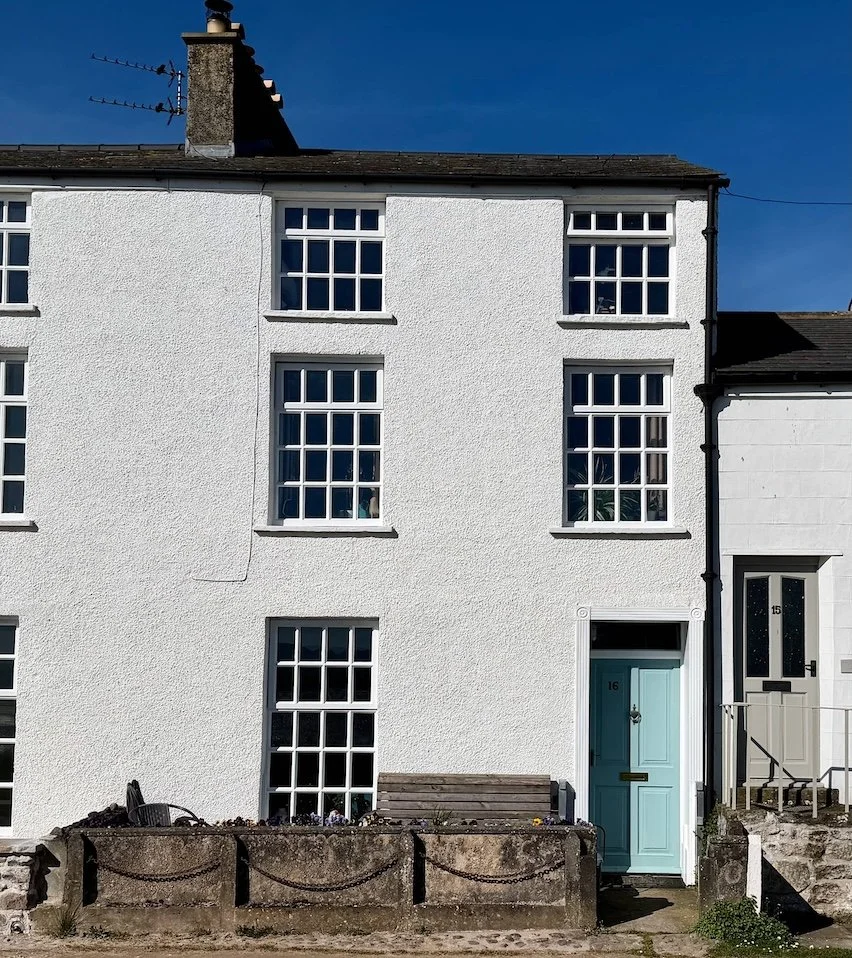
Number 16
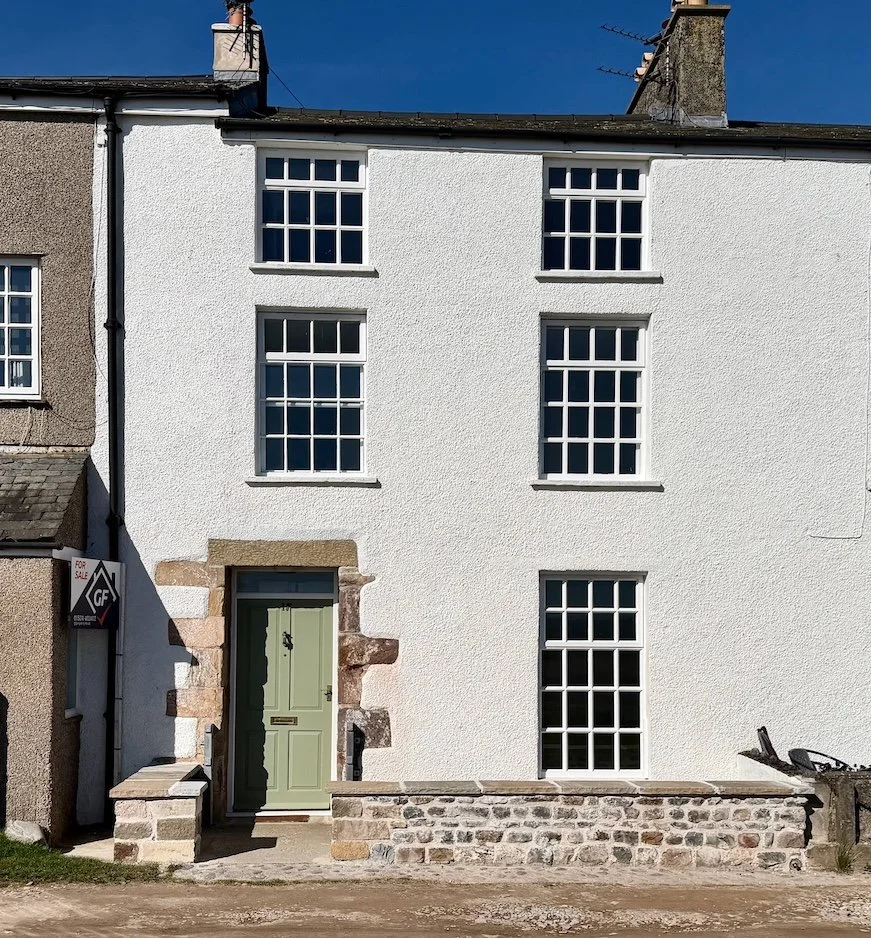
Number 17
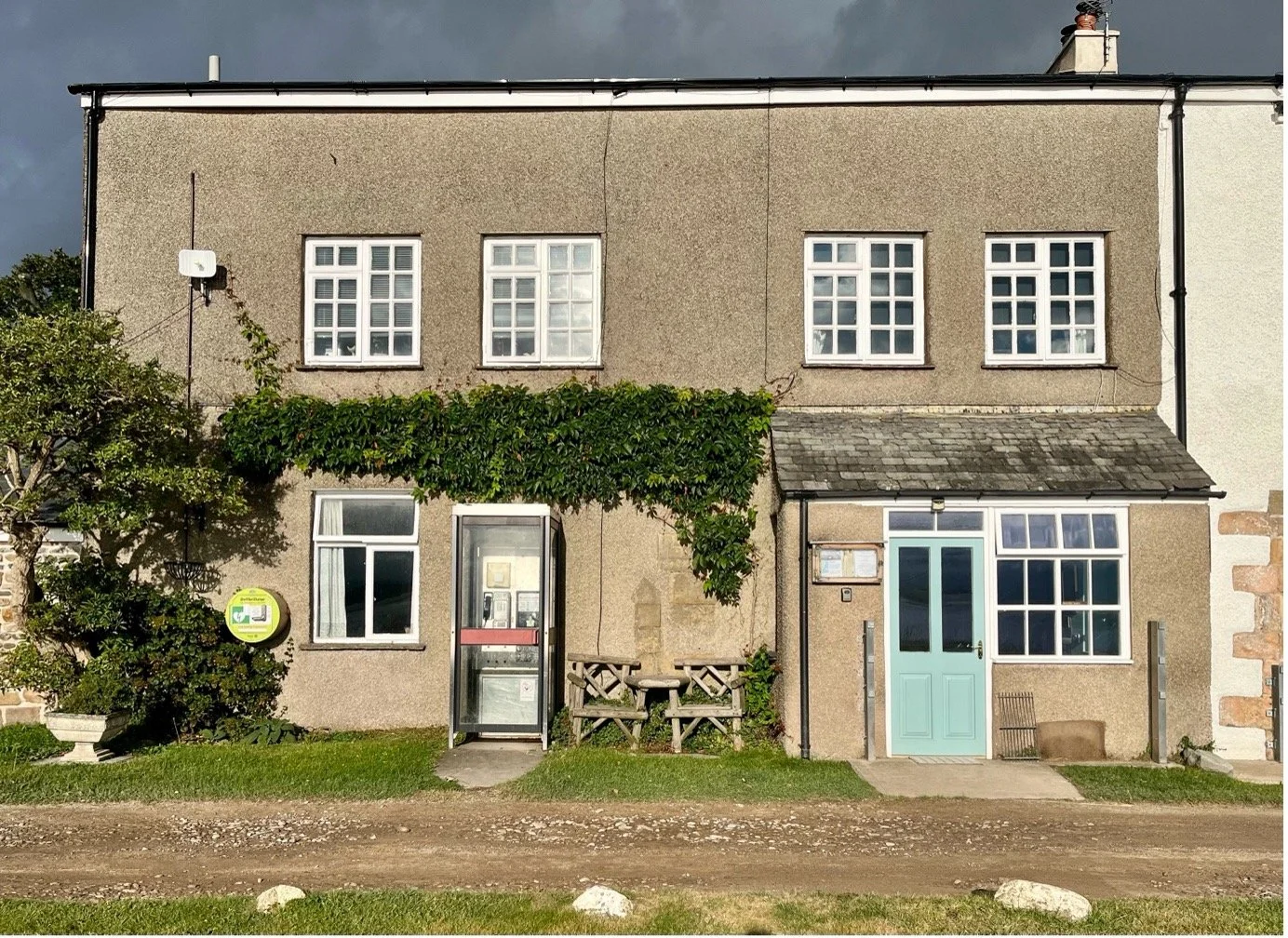
17A & 17B The Big House
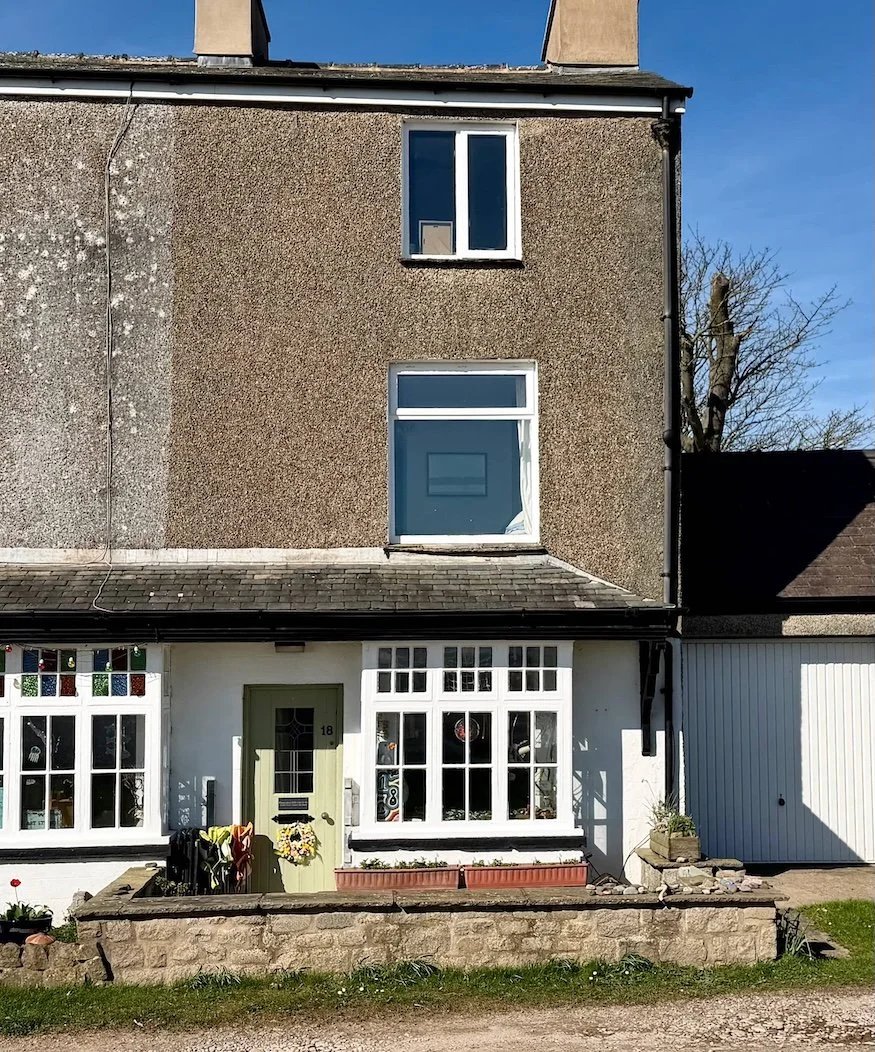
Number 18
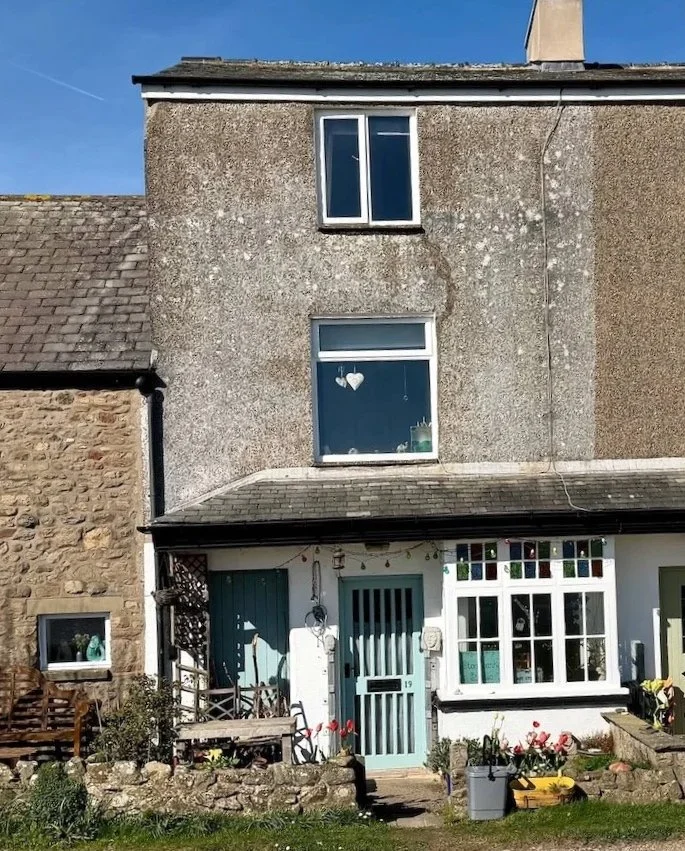
Number 19
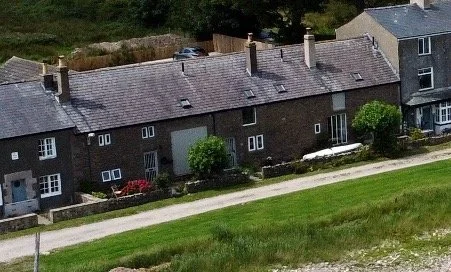
Cotton Tree Barn
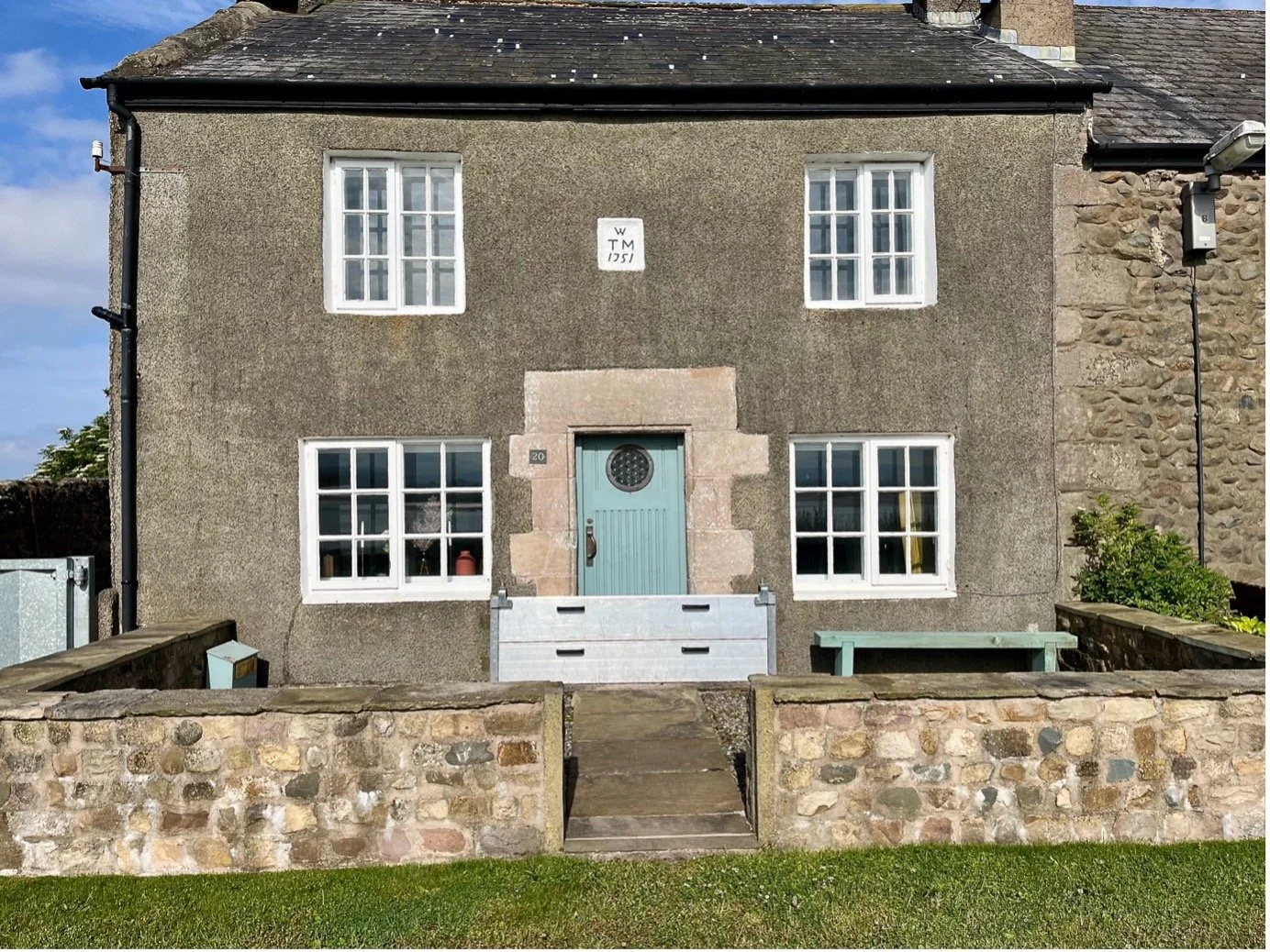
20. Cotton Tree Cottage
Hall End
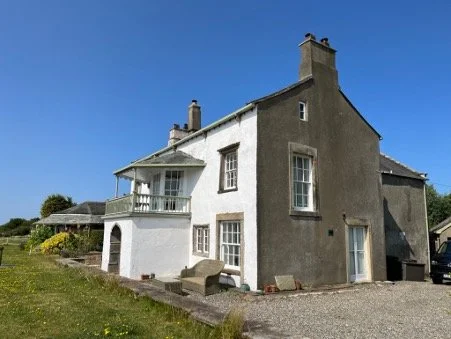
21. The Old Hall
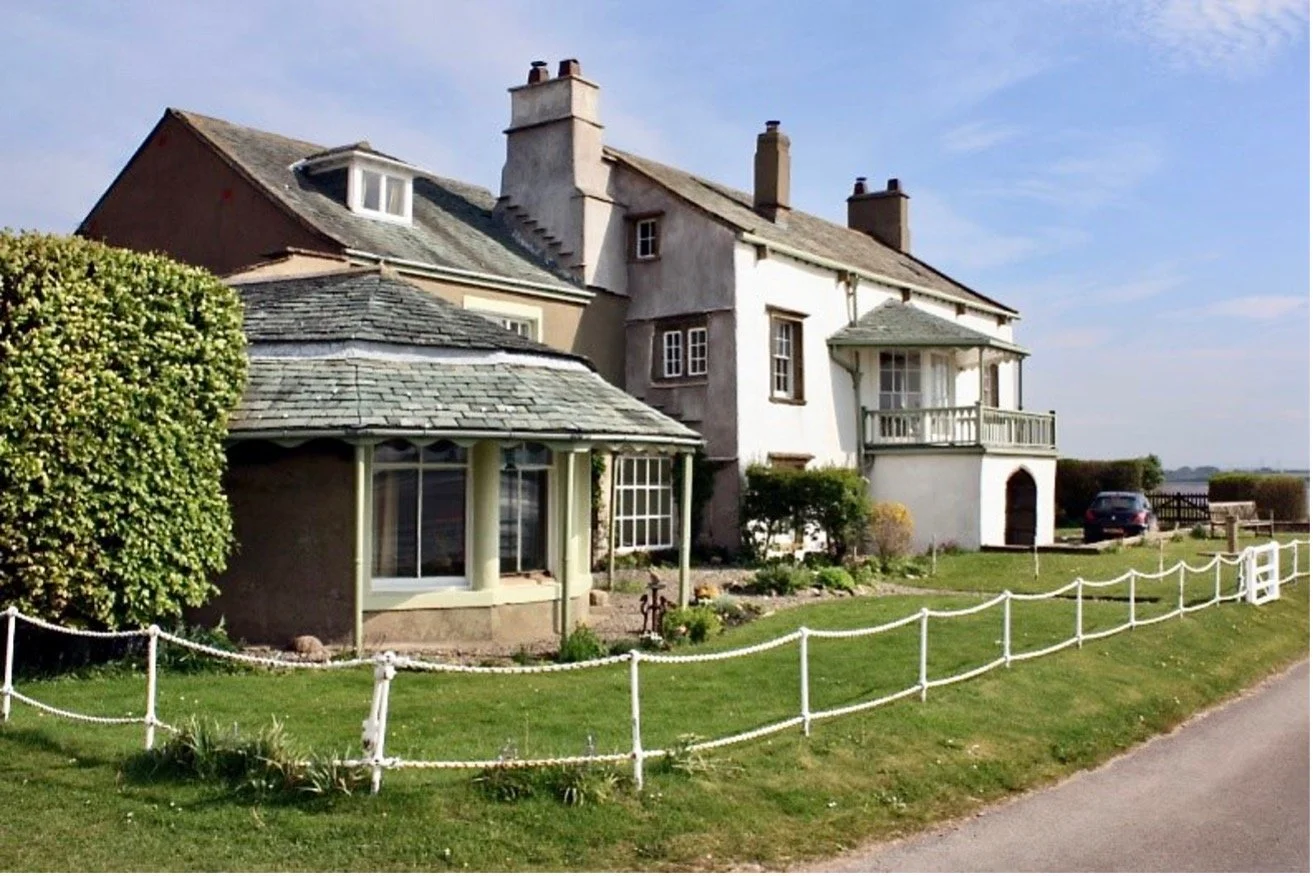
22. Hall End House
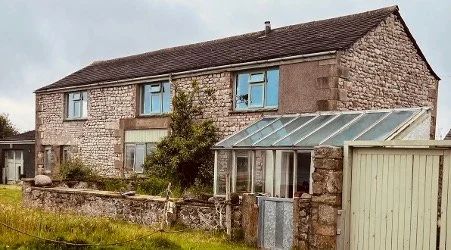
23. Hall End Cottage
The Lane
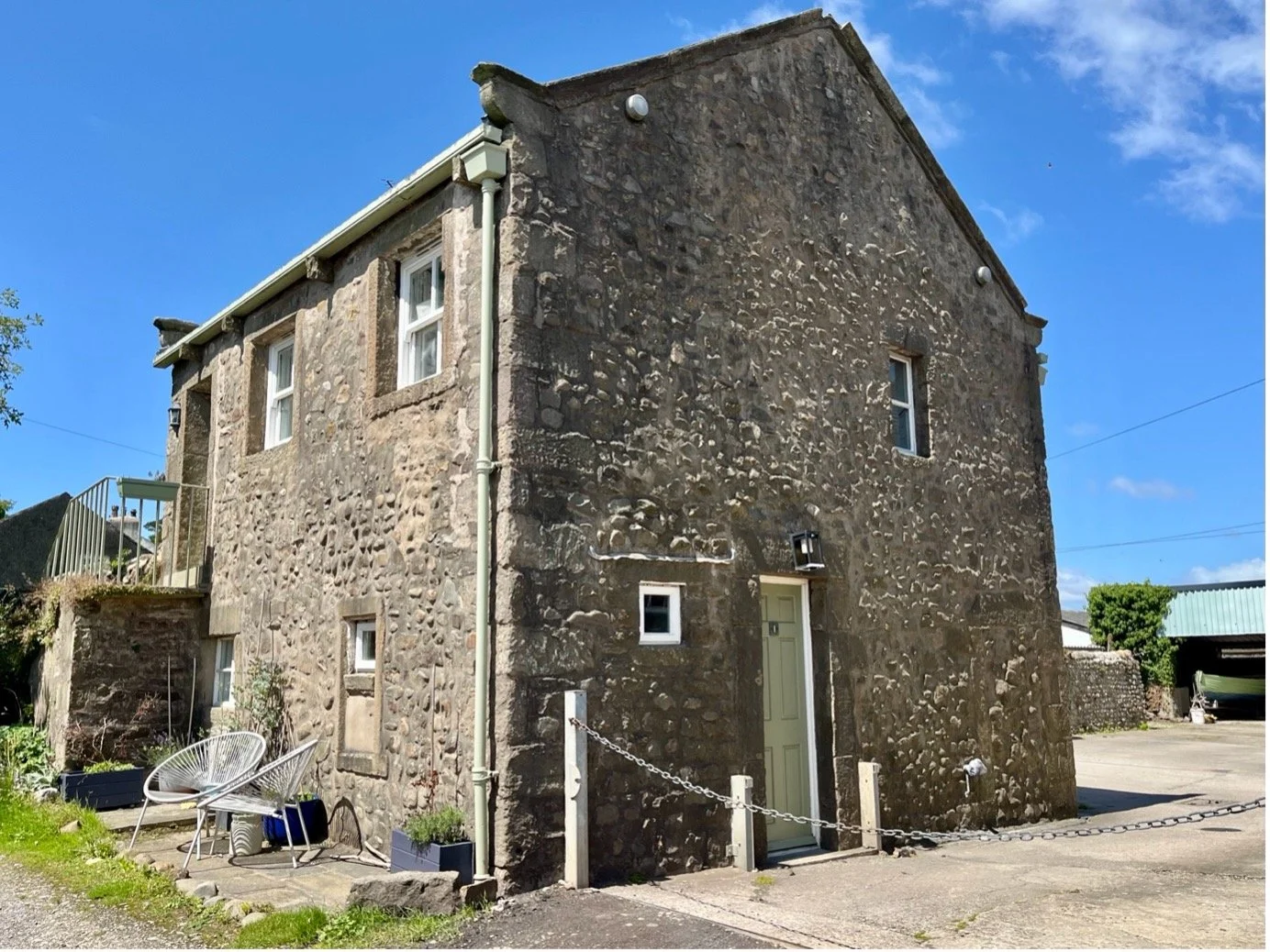
1. Upsteps Cottage
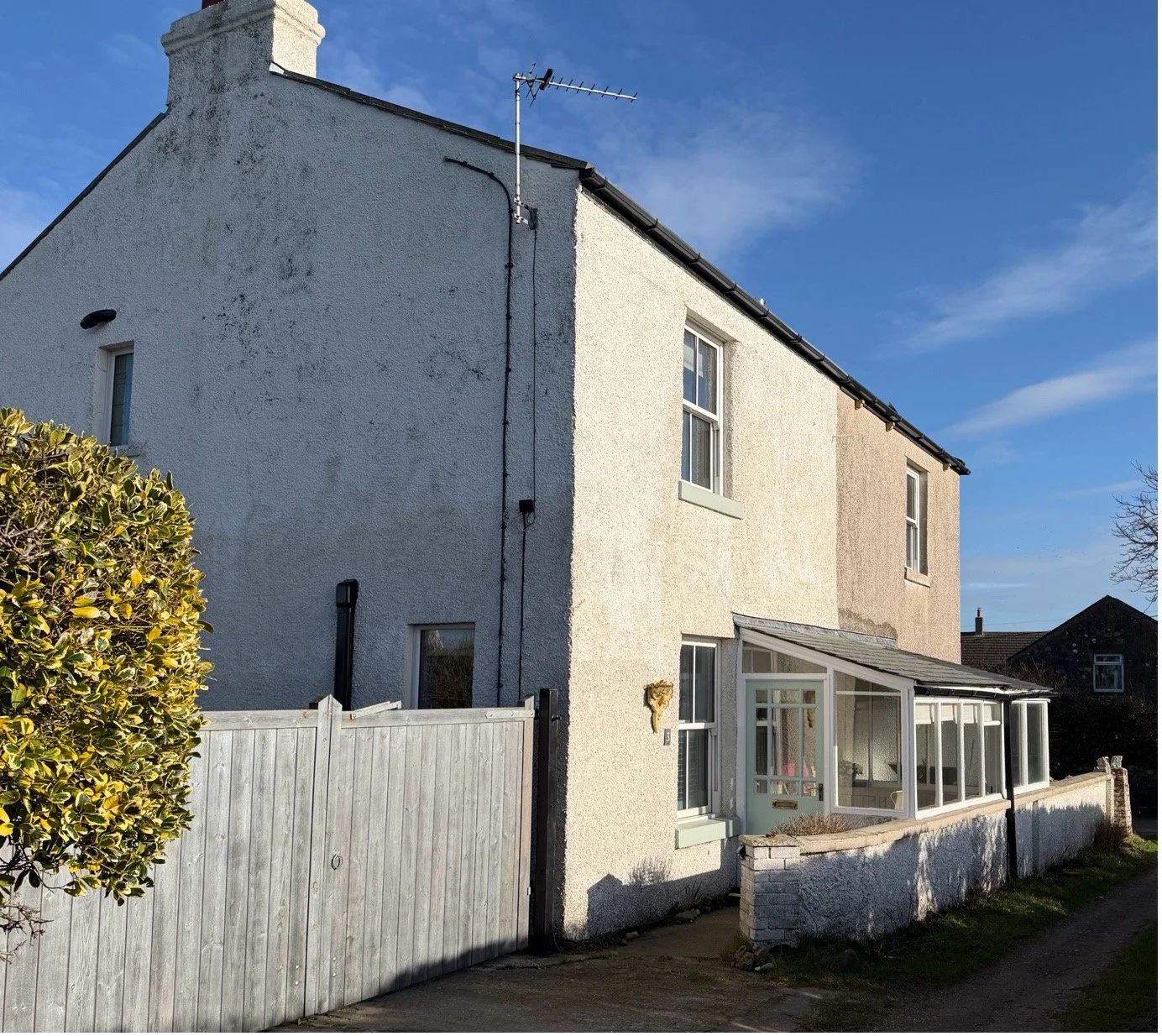
Number 3
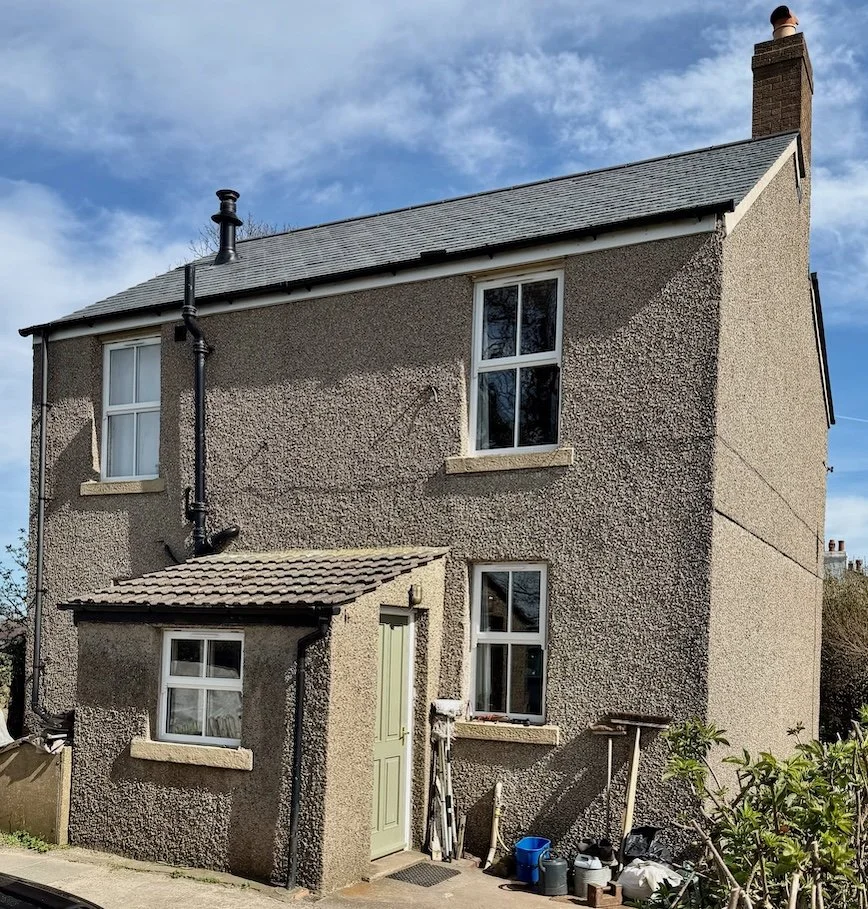
4. Post Office
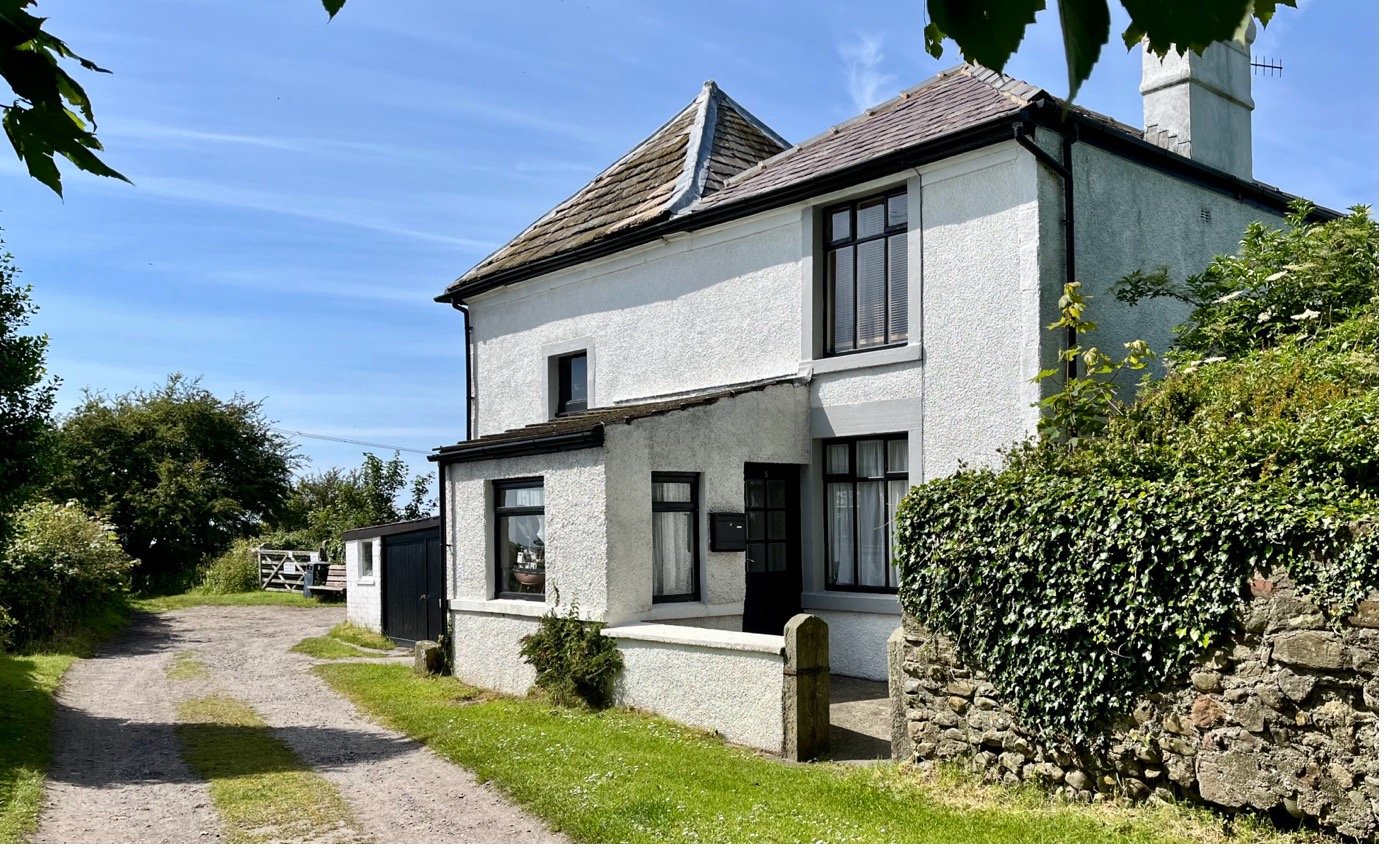
5. The Summer House
We are grateful for the kind assistance of many people, the work of Hugh Cunliffe and Beth Hampson, the research of Kris Needham and Ann Hatton, and the notes on houses by James W Gardner. Thanks also to the Gilchrist, Gardner, Gerrard, and Tomlinson families for information and photos. Also for material sent to us by Rosemary Thaker, Audrey Dunstan and Wendy Crockett.
Thank You
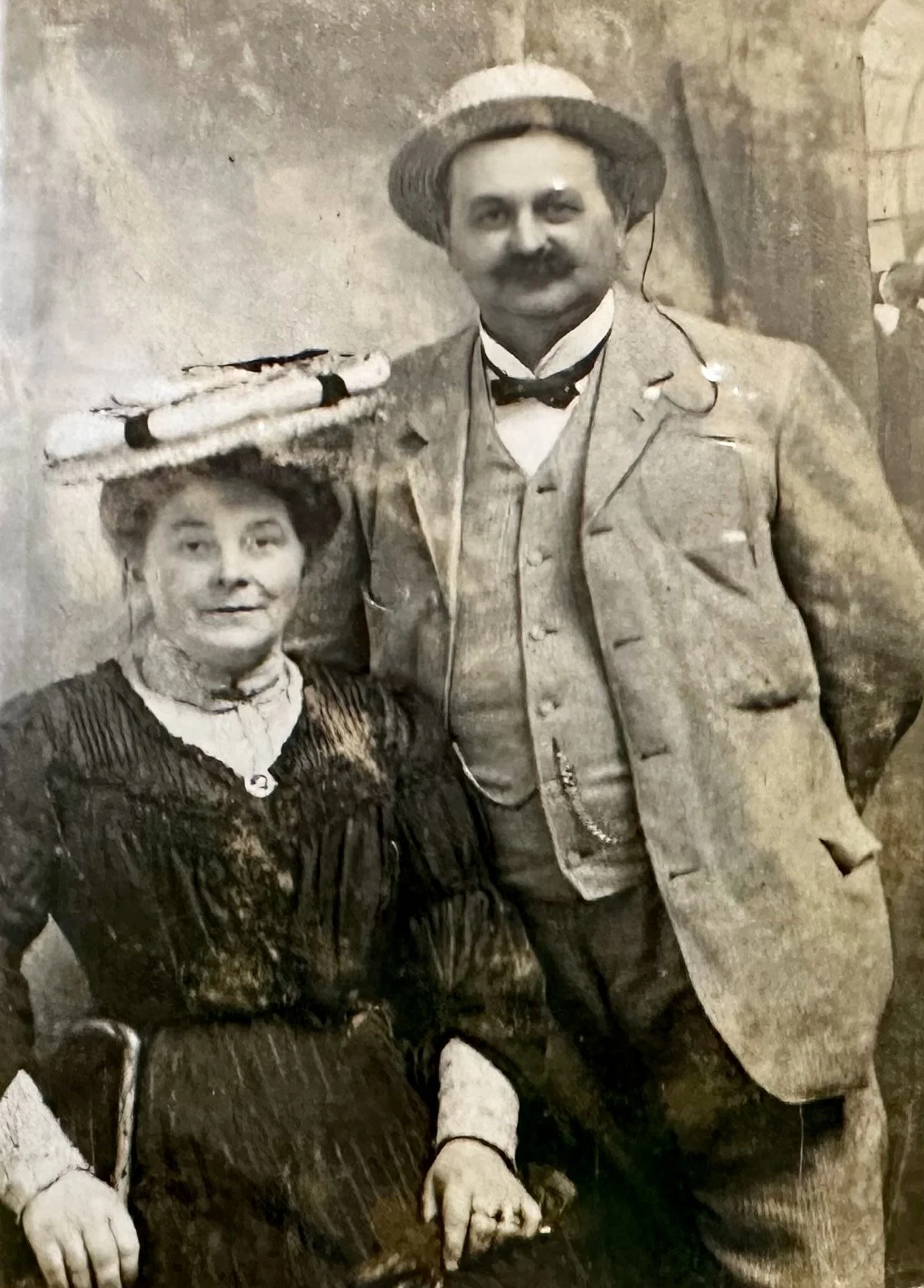
Hugh and Elizabeth Boyle, Number 16: from the collection of Beth Hampson