Written by Thomas (Tom) James Smith
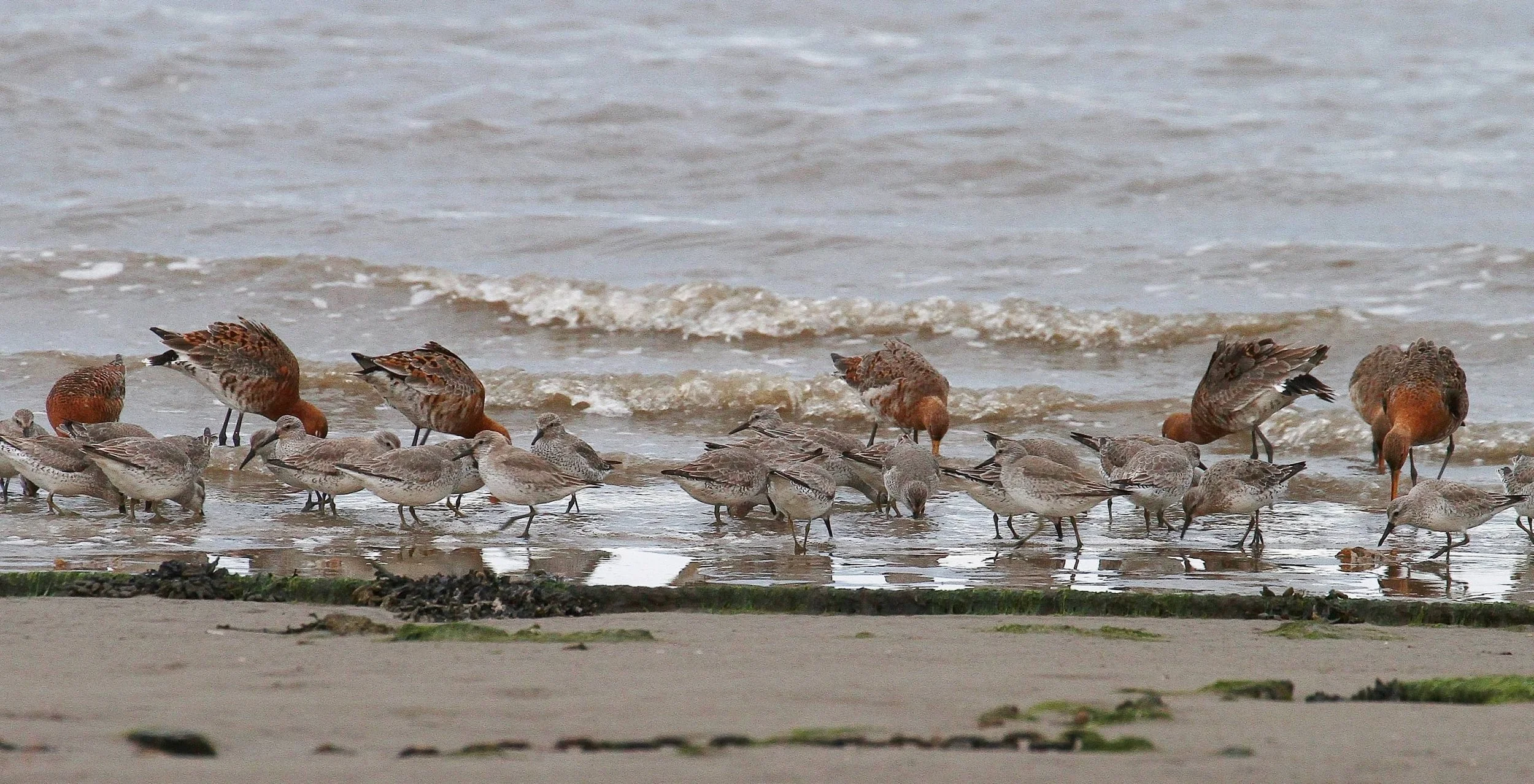
Black Tailed Godwit and Dunlin: Photo Alan Smith
Recently discovered is a booklet that offers remarkable insights into Sunderland Point's natural history in the 1950s.
From 1953 to 1959, Tom Smith kept a detailed and frequent nature diary recording observations around the village. It ranges from the Point End to the northern border of Sunderland Brows farm, a huge area for an in-depth study.
It contains a fascinating record of birds’ nests and the fate of their eggs, the dates when migratory birds return and summarises the year's weather. Tom records the birds he finds contaminated with oil on the West Shore in the 1950s, when oil tankers came to Heysham Harbour to discharge crude oil for the refinery.
In the first year, 1953, he also lists flowers, butterflies, and the natural history books he read.
It is not complete; 1958 is missing, and we have only his jotted notes for 1959. This is because in 1957, Tom, with his parents, brothers, and sister, moved from Second Terrace to the Moorings on First Terrace. This house had a large kitchen garden, vegetable gardens, and hens to look after. As a full-time fisherman, it was all very time-consuming.
Tom’s brother Alan, who is the custodian of the diary upon Tom’s passing, has had a copy printed, including the loose pages of notes, into a booklet to preserve the original copy for future generations.
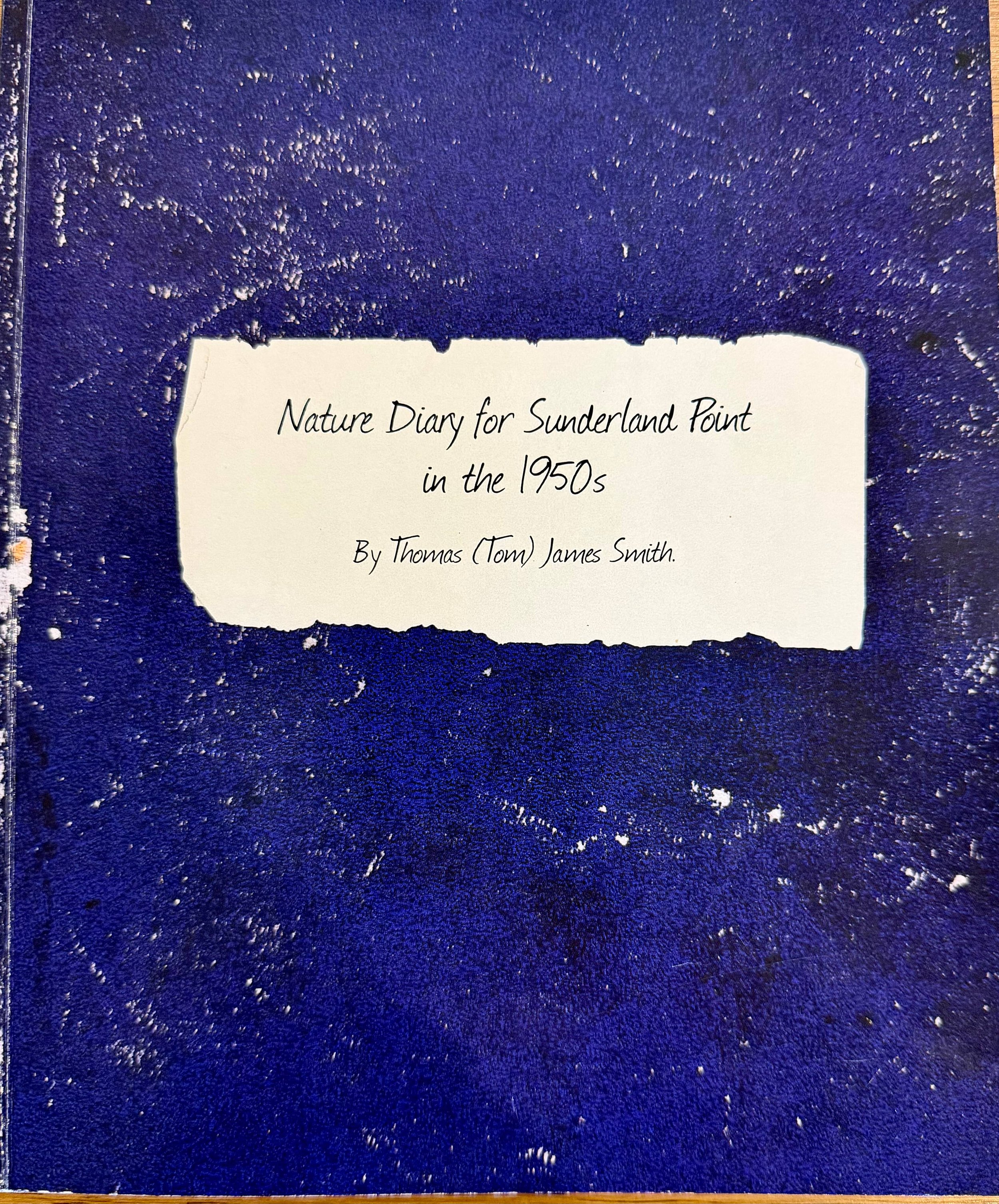
The booklet measures 7.25 inches (18.5 cm) by 8.8 inches (22 cm) and has almost 90 pages of tightly packed notes—an almost exact copy of the original.
It is beautifully written and speaks of Tom’s deep interest in the wildlife around him, his concern for what he observes, and an innate scientific ability to record what he finds with utmost care and accuracy.
It will be of great interest to any naturalist, the RSPB, and the BTO (British Trust for Ornithology), especially Tom’s meticulous records of bird nests providing a perfect basis for comparing the past with the present.
Biography
Tom was born in 1933 into a professional fishing family with roots in the village dating back to the 1890s. He was the eldest son of Bert and Mary Smith, who were then living in the small cottage on Second Terrace, number 15, known as ‘Multum in Parvo’ (much in little). Tom attended the local schools in Overton and Morecambe and left at 15 to work with his father as an inshore fisherman.
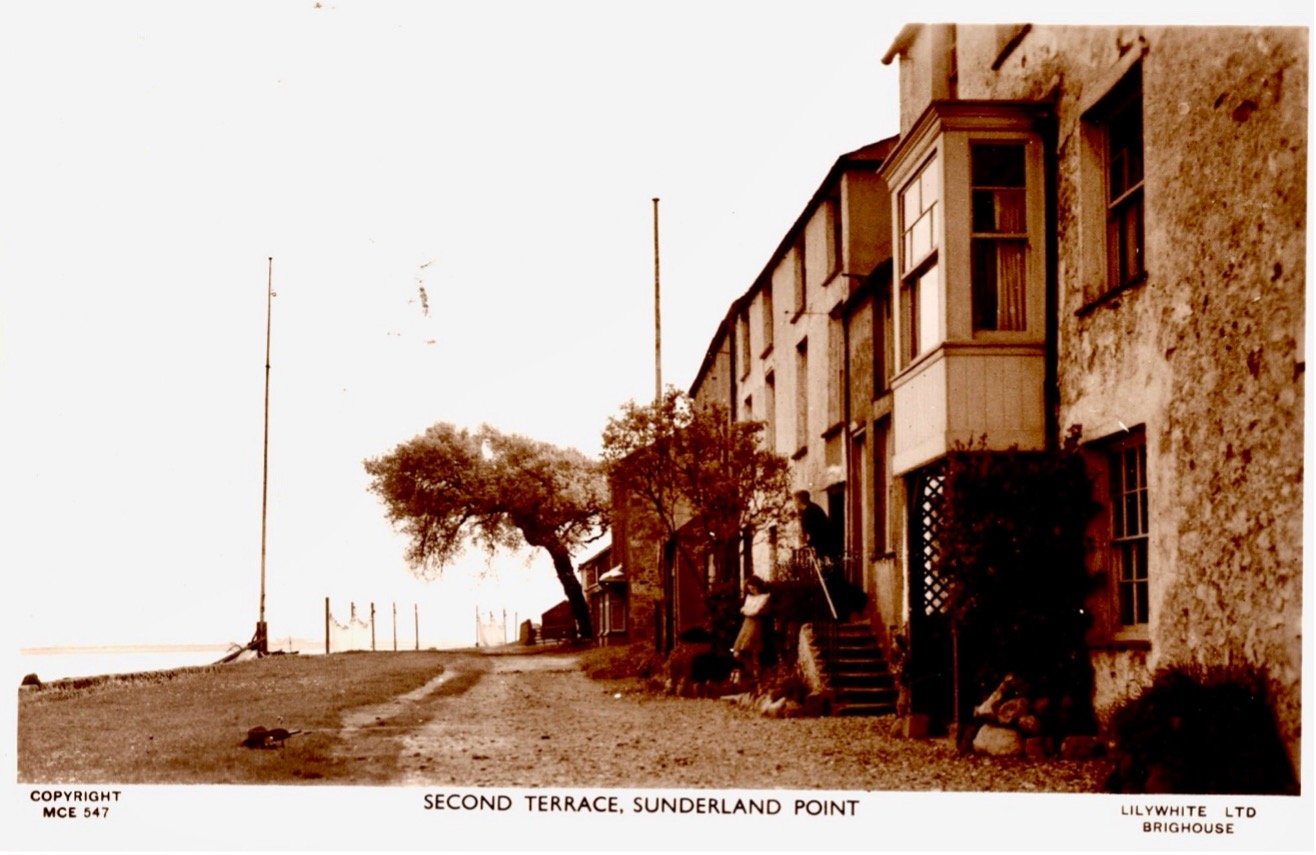
Early 1930s postcard, Multum in Parvo: the house with the steps, and Bert Smith is standing on top, looking down the river: website collection.
In this great photo, taken in 1949, when Tom would have been 16, he is holding a large salmon, perhaps 15lbs, caught while haaf netting (standing in the river using a fixed beam with a net attached).
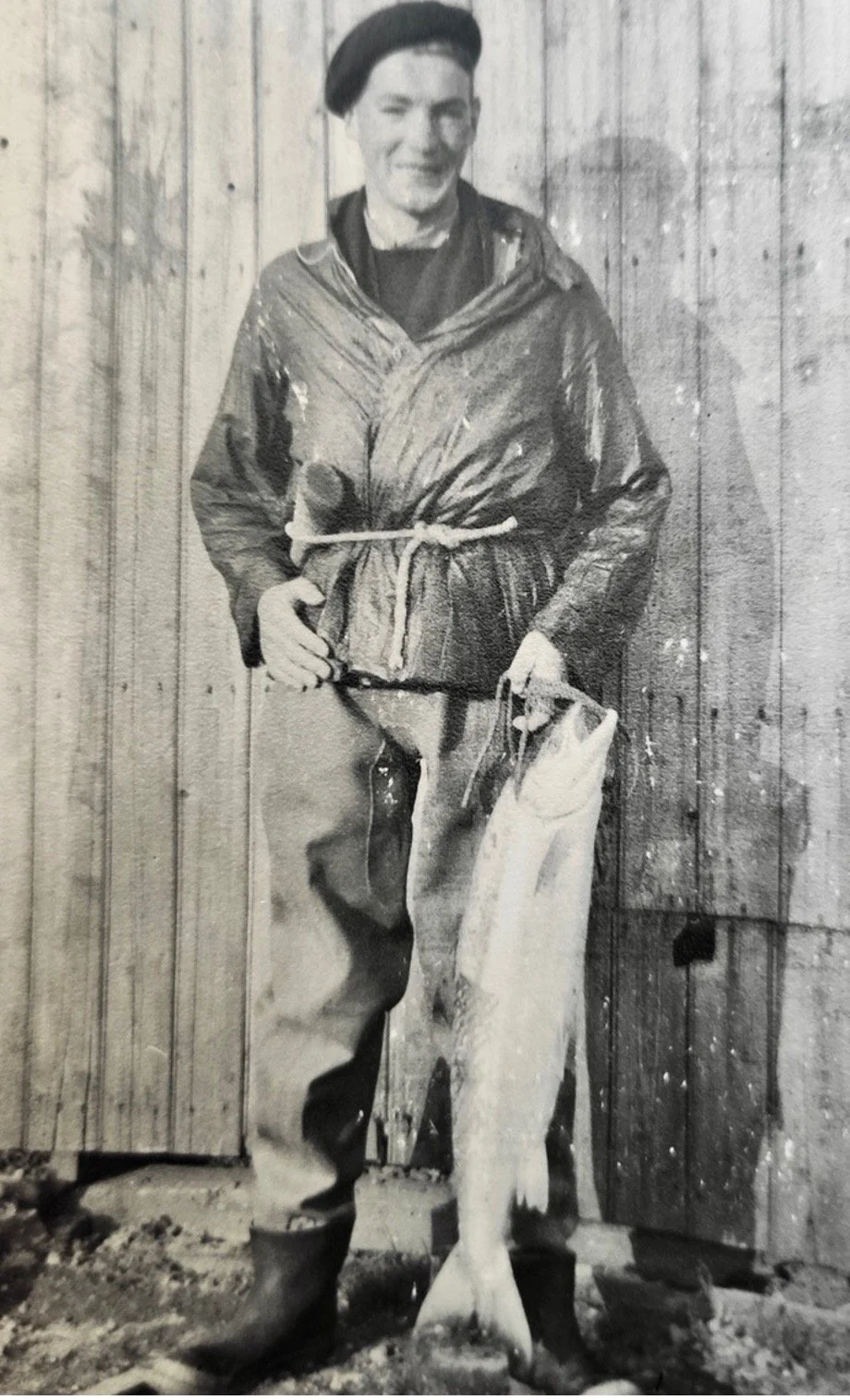
A bonny smile, from the collection of Claire Tomlinson
Tom did national service in the Royal Navy Reserves on Minesweepers sailing out of Chatham during 1953/54 and 1955. As well as haaf netting, Tom went down the river with his father to drift net for salmon (whameling). He collected mussels from the local skears, set nets for flatfish, and trawled for shrimps. Later, he set static nets to catch Whitebait and Sprat.
Fishing was a full-time occupation in summer and winter.
Tom would have been 20 when he began his nature diary in 1953.
Birds’ Nests, Sunderland Point
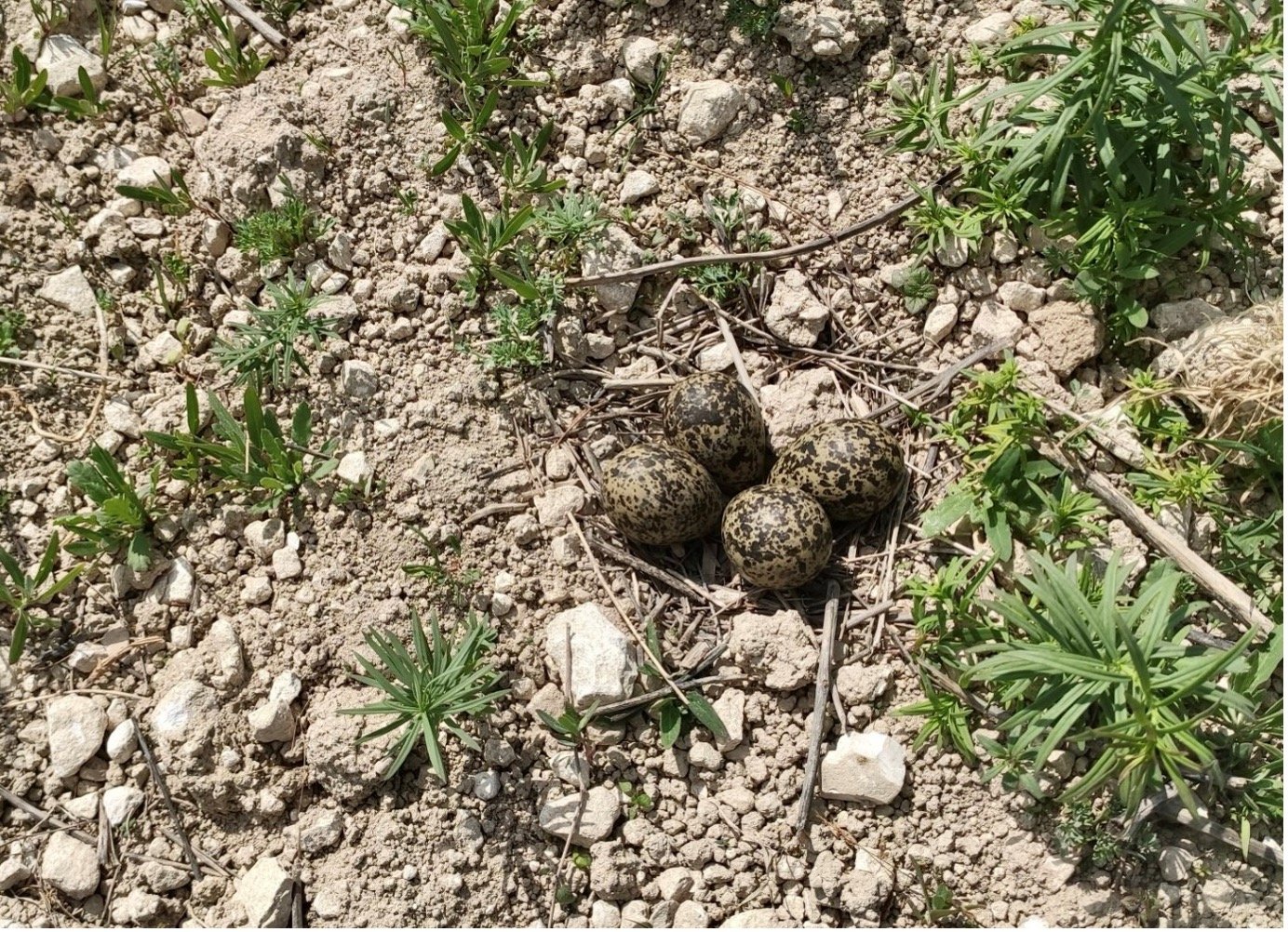
Lapwing nest with eggs: Source RSPB
This is fascinating information.
Tom notes the nest location, the date, the number of eggs laid, and their fate. Although local knowledge is needed to recognise many of the locations, for example, ‘Low Buildings’ (Meadow House), ‘Lile Lucys’ and ‘Big Lucys down the lane’, ‘Turpets’ (all field names), and ‘Mrs White’s’ (house number 3). It shows Tom is covering all of the Point Peninsula and making repeated visits to check on the eggs.
Happily, fledging is successful, and most survive, but not all. On the page photographed below, Tom notes eggs lost to ‘human thieves’, ‘destroyed by a tractor, and ‘robbed by rats’.
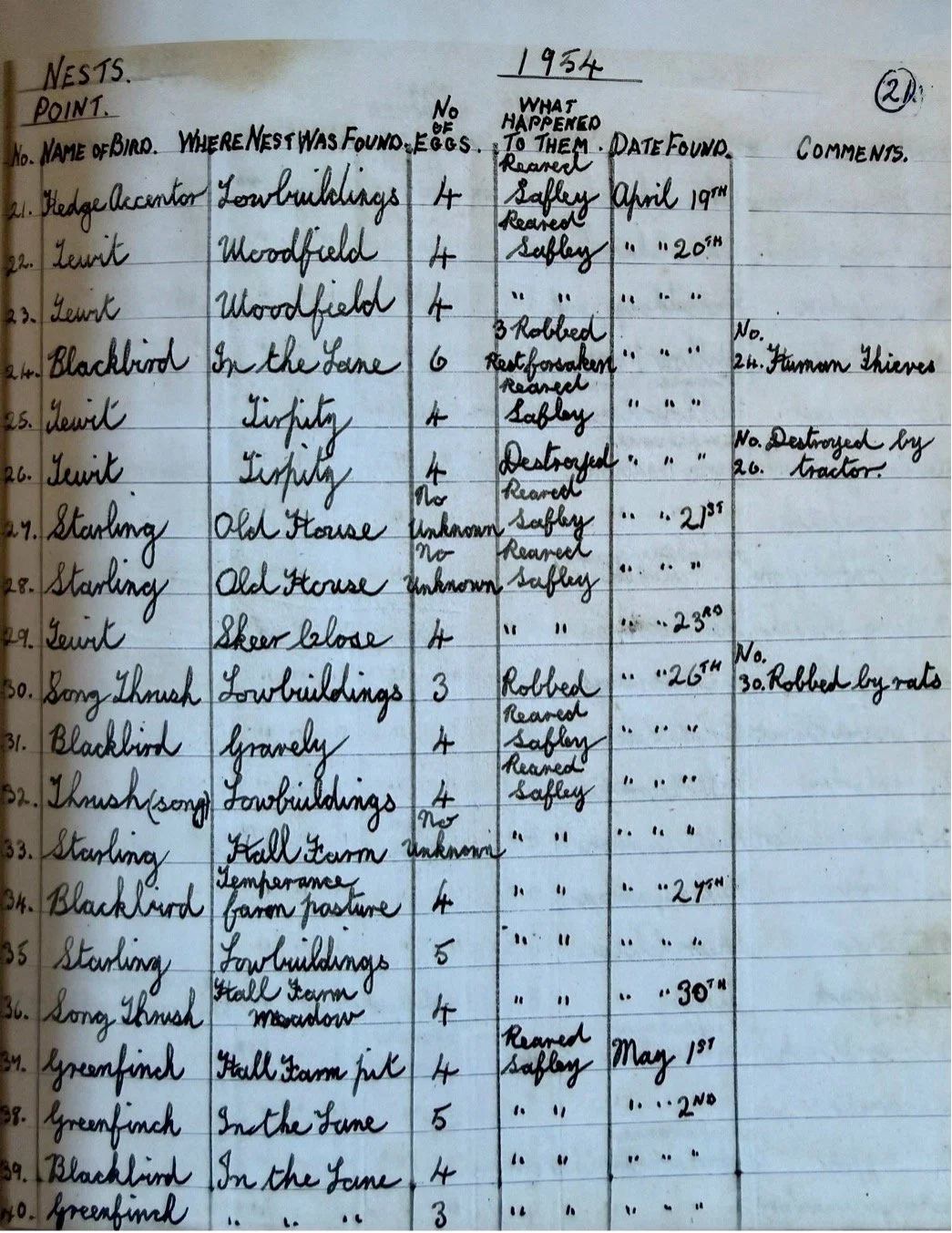
Page from Tom’s Nature diary: copyright Alan Smith
In other years, he notes, ‘robbed by Magpies’, ‘most likely robbed by Cats’ and ‘Broken by cow’. In April 1956, Tom says that 5 of the 11 Mallard eggs in a nest on the Brows marsh were ‘robbed by Overton boys’.
On May 25th, 1954, Tom records an experience with the naturalist *Frank Tomlinson, a frequent summer visitor to the Point staying with his family in number 17. They were rescuing Redshank, Lapwing and Oystercatcher nests and eggs on the West Shore.
‘A good few were raised on sods by Mr F Tomlinson, who saved a lot of eggs from being washed away, the birds taking them readily enough, often sitting on their small hills surrounded by water.
Unfortunately, the nests mentioned above were destroyed, I think by cattle, probably bullocks, testing their horns’
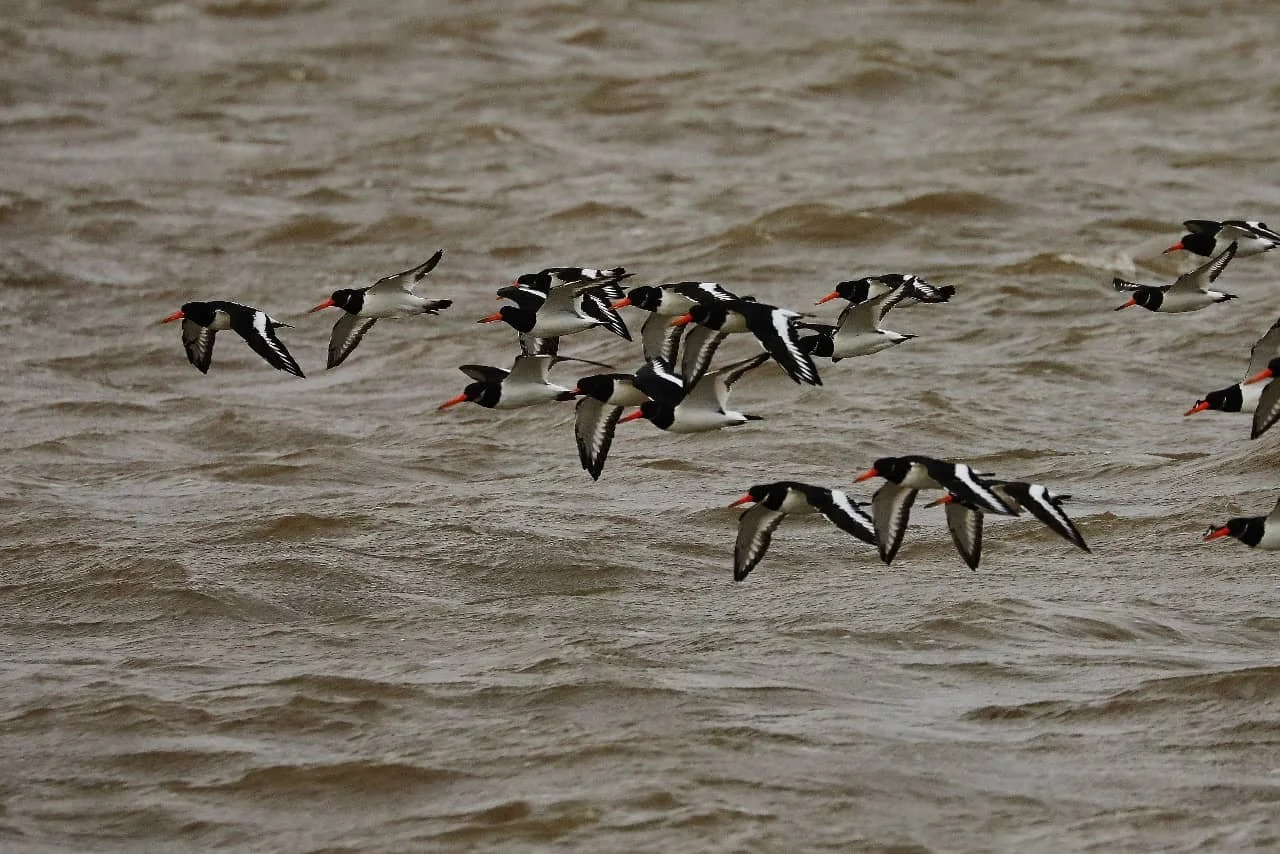
Oyster Catcher: photo Alan Smith
*How appropriate that the commemorative plaque for Frank and Vera Tomlinson was placed in the Bird Hide quite some time before all this information came to light.
Nest summaries and New Species
In 1953, Tom records 135 nests occupied by 23 different species, mostly Lapwing (22), Blackbird (20), Song Thrush (16) and Water Hen (11).
In 1954, Tom's best year, an extraordinary 211 nests from 27 bird species were recorded. Of those, 21 were robbed, destroyed or forsaken. The main species were Lapwing (32), Song Thrush (18), House Sparrow and Blackbird (both 17), Starling (15), and Redshank (14).
Fewer in 1955, 160 nests by 24 species, House Sparrow (22), Blackbird (18), Lapwing (14), Song Thrush (13), Swallow (12), Starling (11)
Similarly, in 1956, 158 nests were reported by 23 species, including Sparrow (23), Starling (15), Swallow and Blackbird 15, Song Thrush (12) and Linnet (11).
Tom made a point of saying, ‘This year, only 8 Lapwing nests were found.’
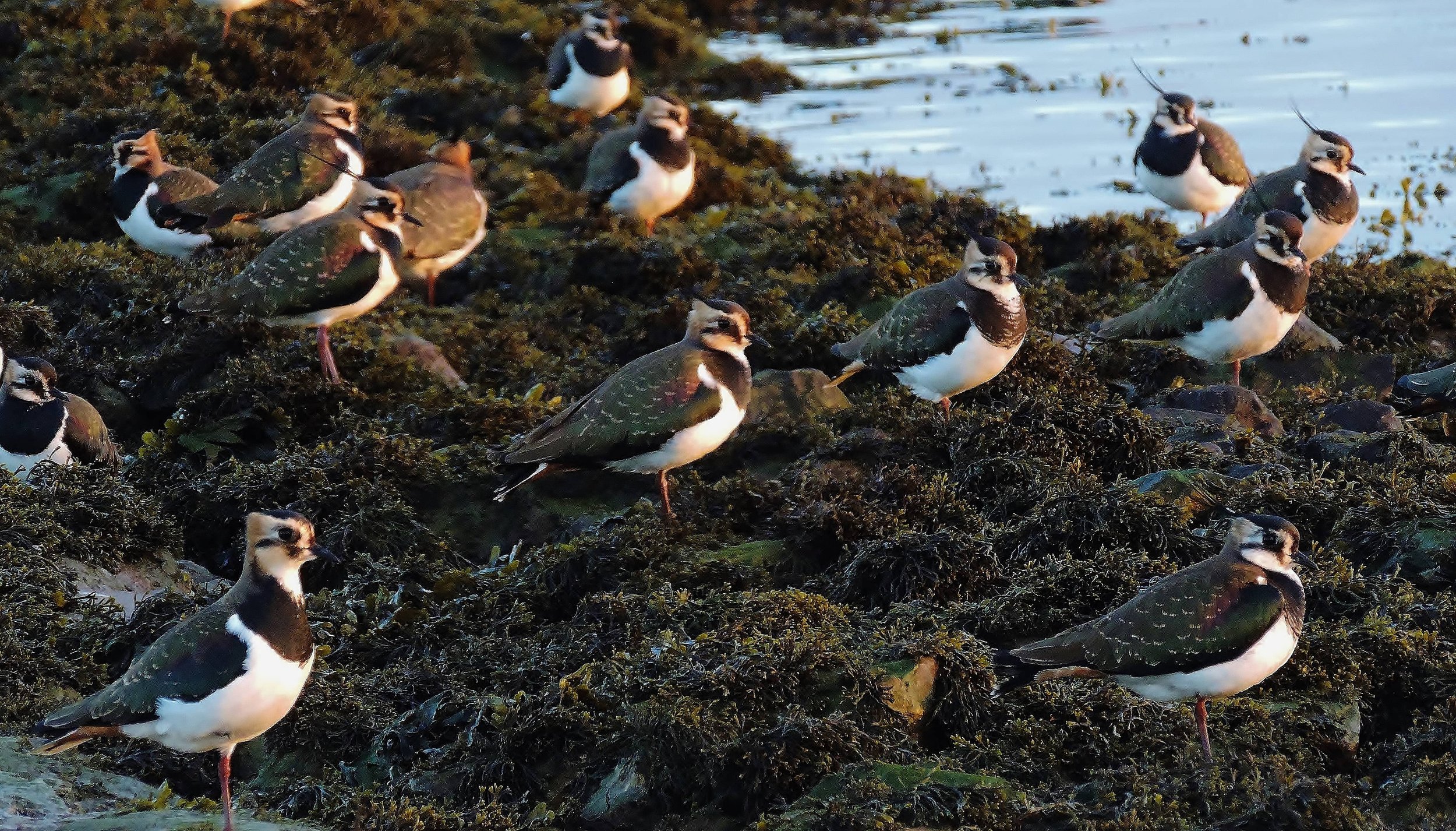
Lapwing: Photo Alan Smith
Tom registers birds he had not seen before. 1954 is his best year; he writes: Bar-tailed Godwit over Marsh Road, Sedge Warbler at Woodfield (a field at Sunderland Brows farm), Black Tern by Baithaven buoy, Goosanders near the Lighthouse, and Sanderlings, Little Stint, and Kittiwake all spotted ‘downriver.’
Alan has provided wonderful photos of some of these birds.
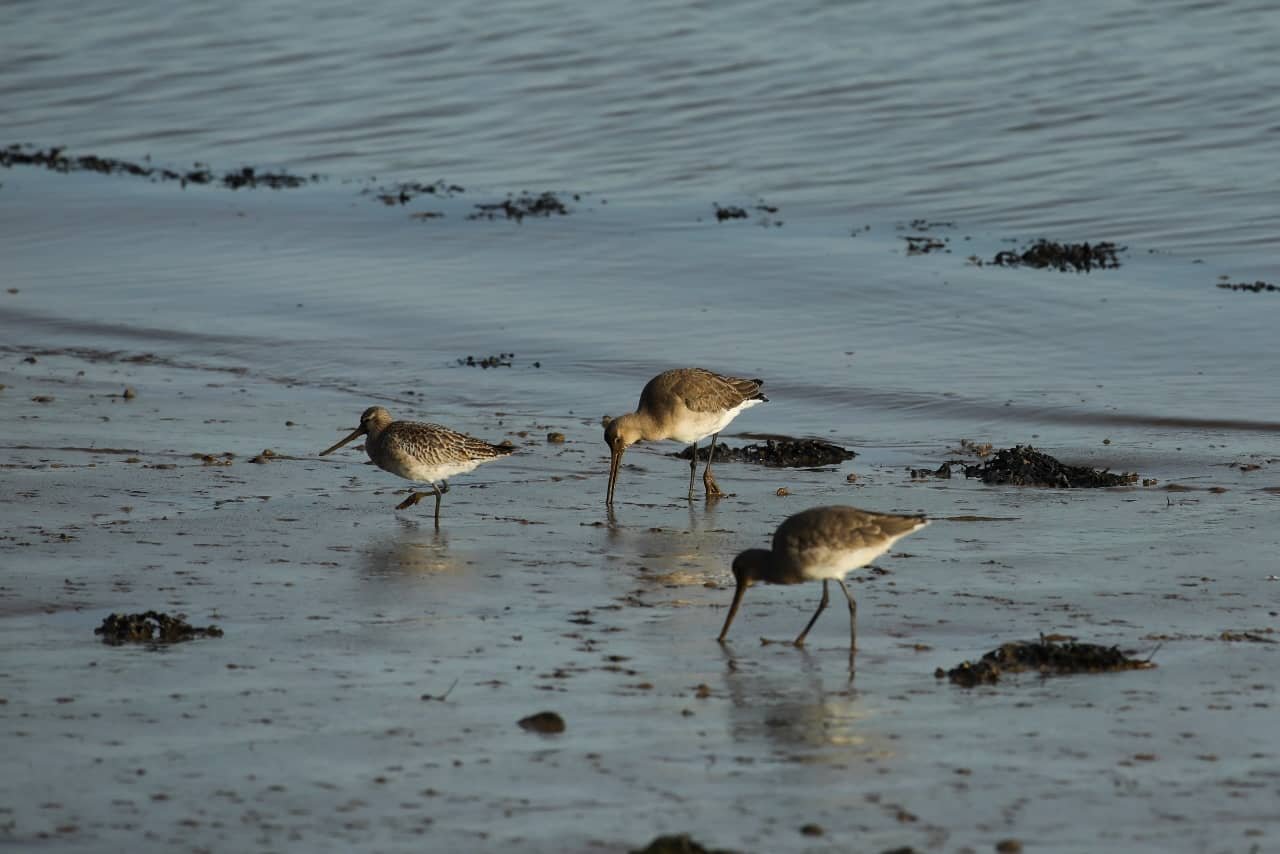
Bar, and Black-tailed Godwit: Photo Alan Smith
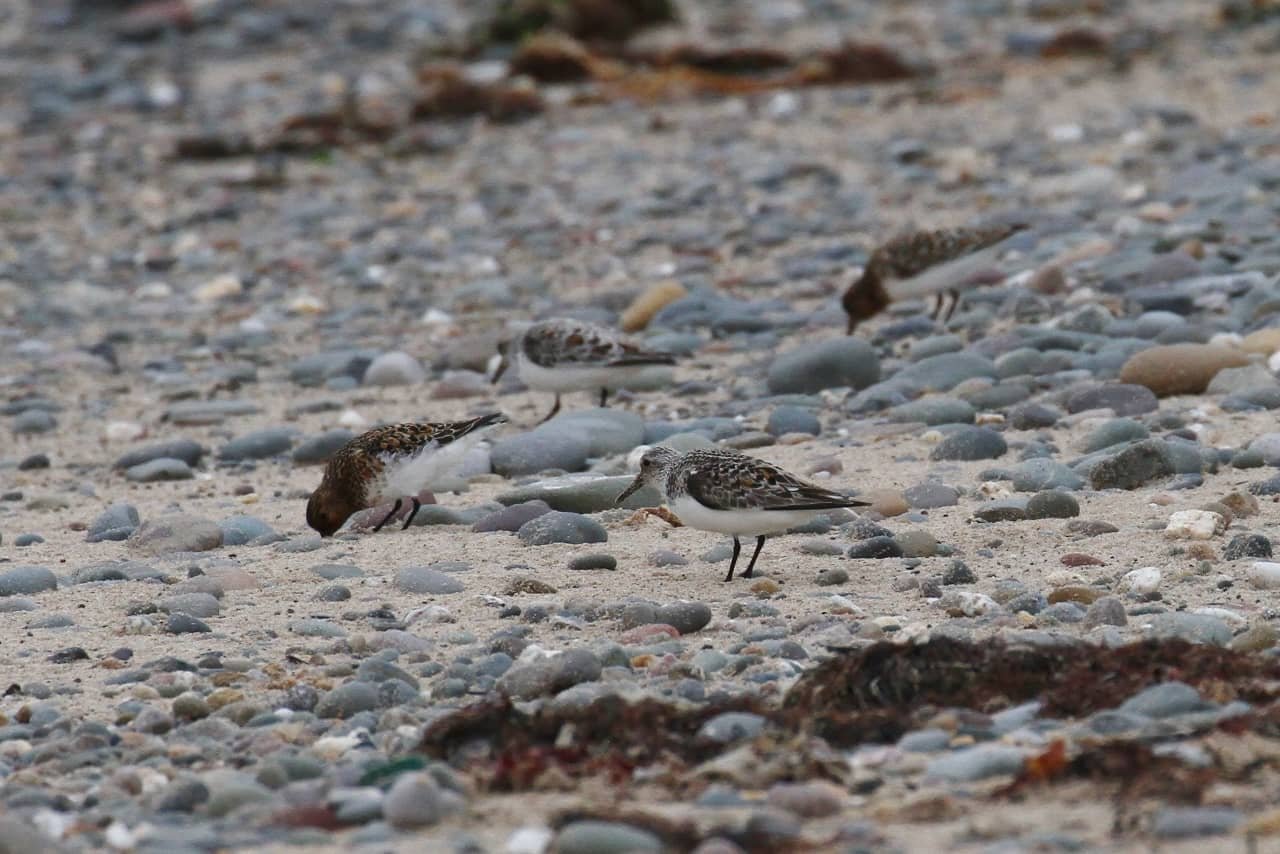
Sanderling: Photo Alan Smith
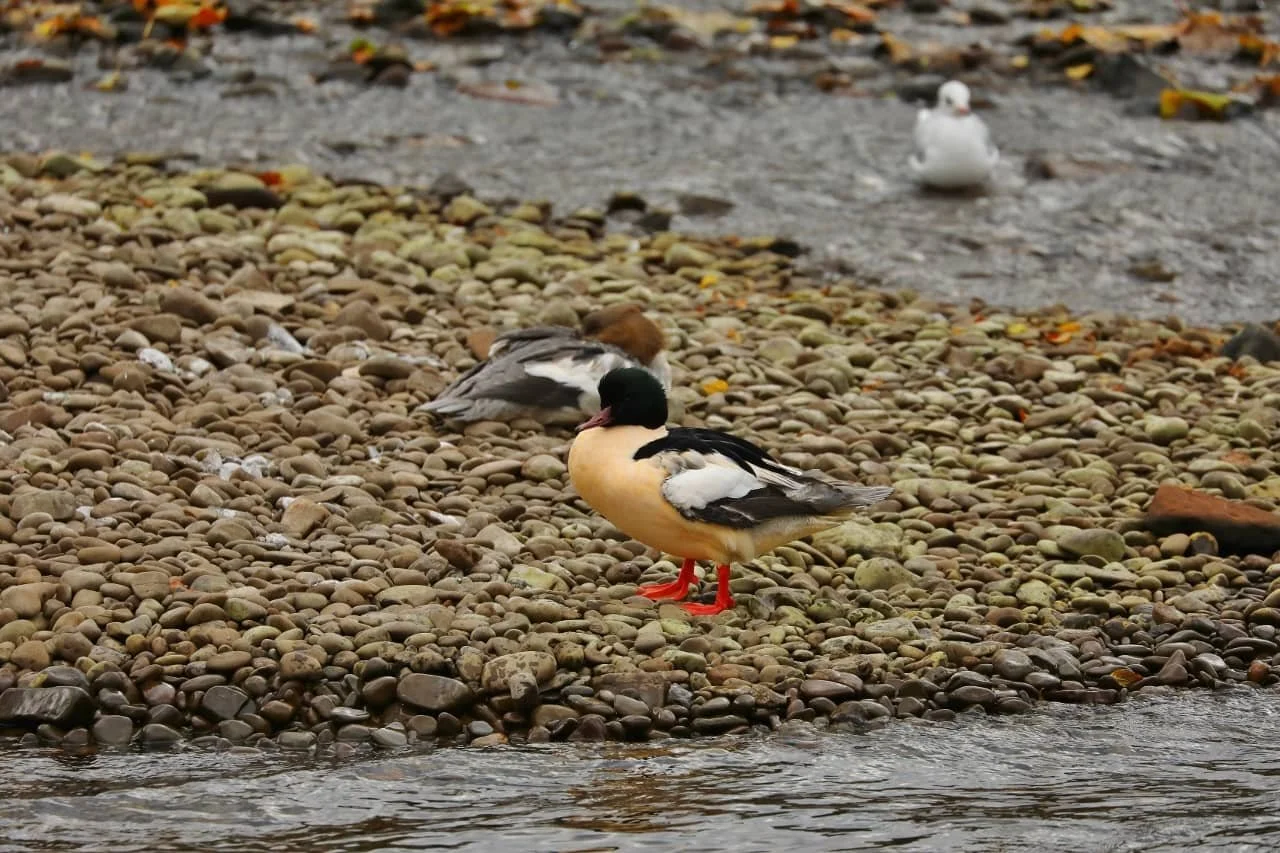
Goosander: Photo Alan Smith
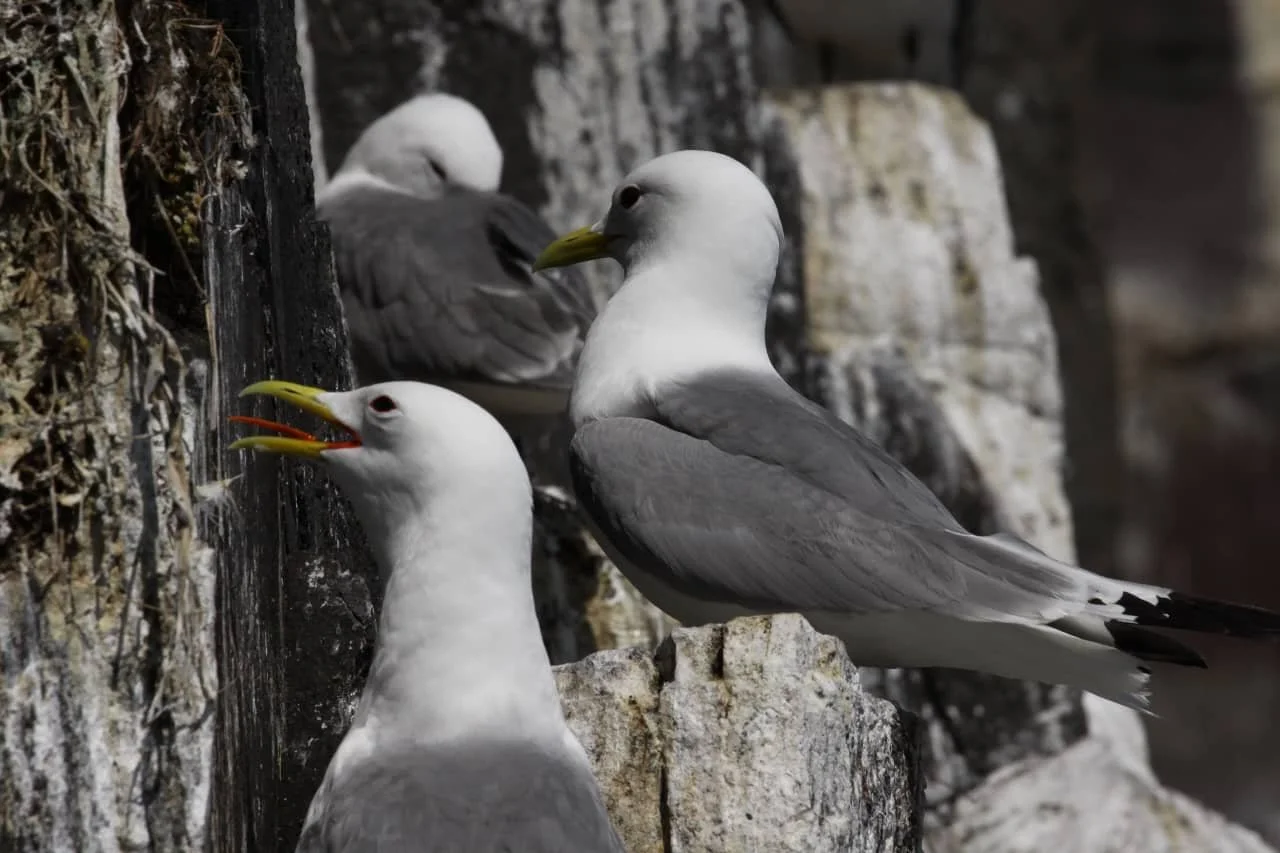
Kittiwake: Photo Alan Smith
The Return of the Migrants
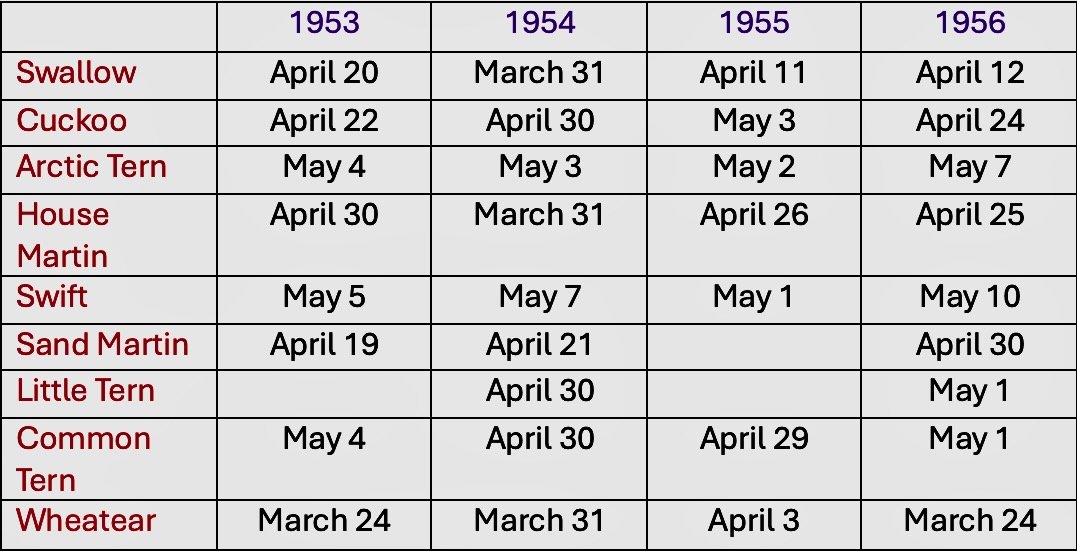
Both in summer and in winter, Tom watches for returning migrants and records the dates. It’s astonishing how many he sees and records.
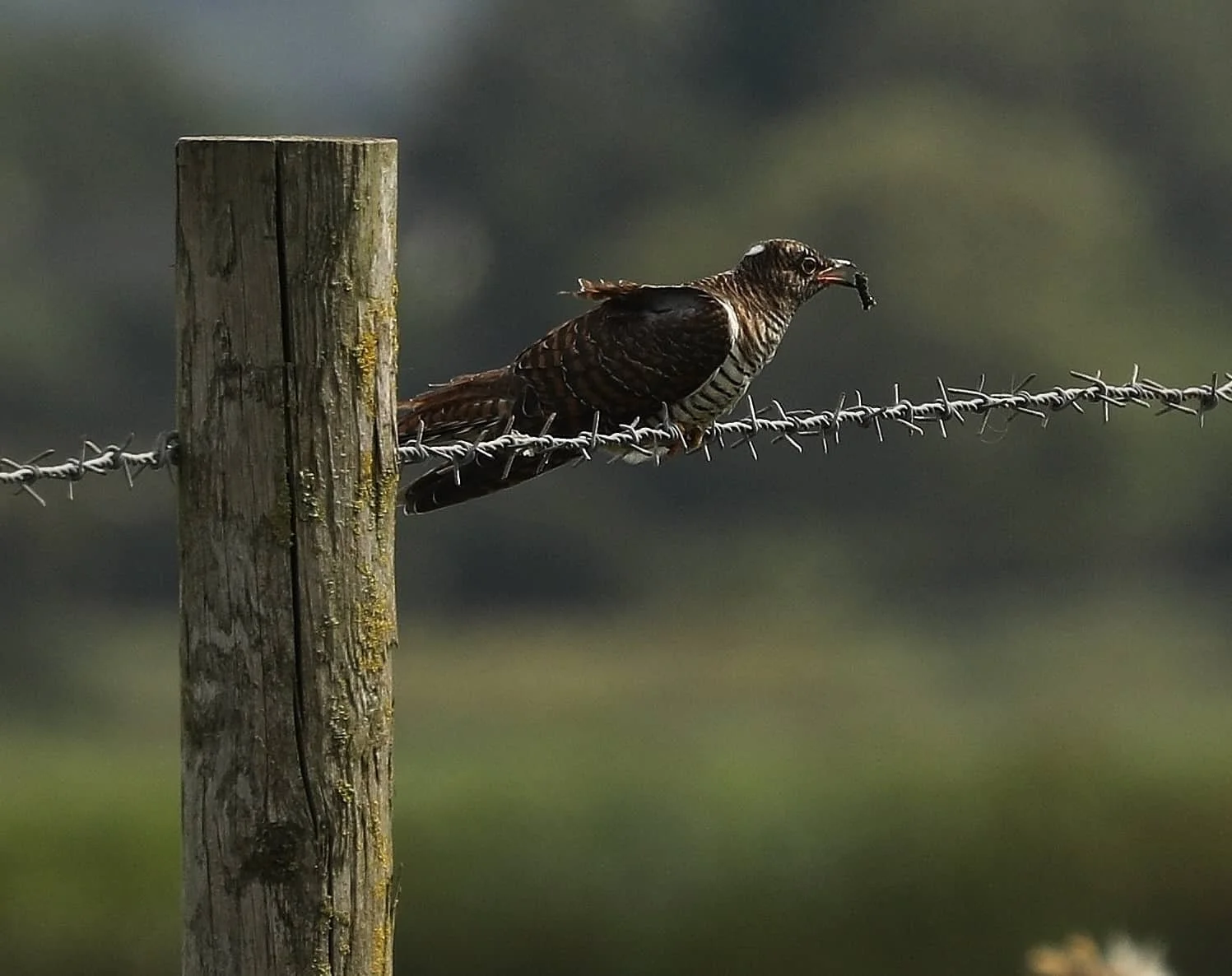
Juvenile Cuckoo: Photo Alan Smith
This is a summary of common summer migrants and the dates Tom first saw them that year.
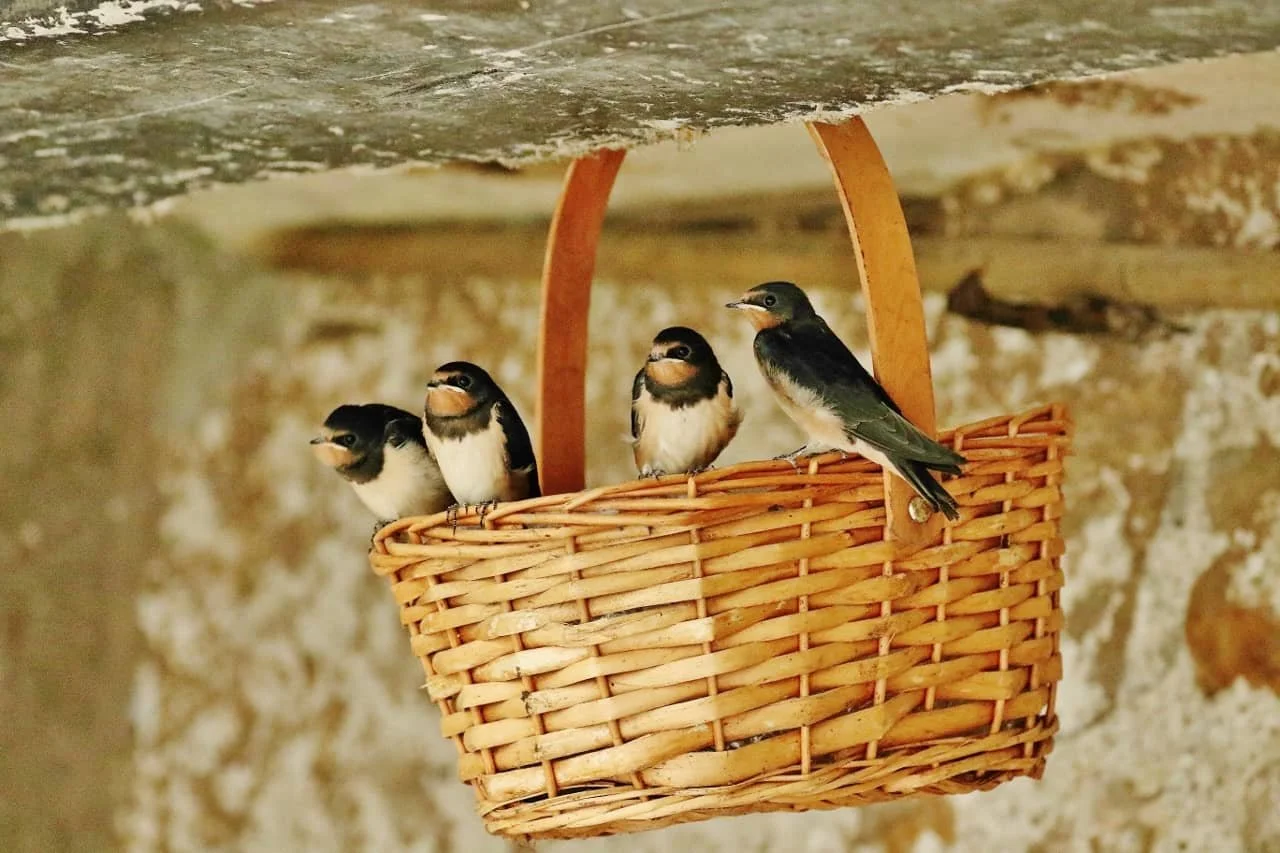
Recently fledged Swallows: Photo Alan Smith
Tom provides the same for the returning winter migrants. These are the dates for Widgeon Duck.
1953, on September 29,
1954, on October 1st,
1955, on September 10, and
1956, on September 25th.
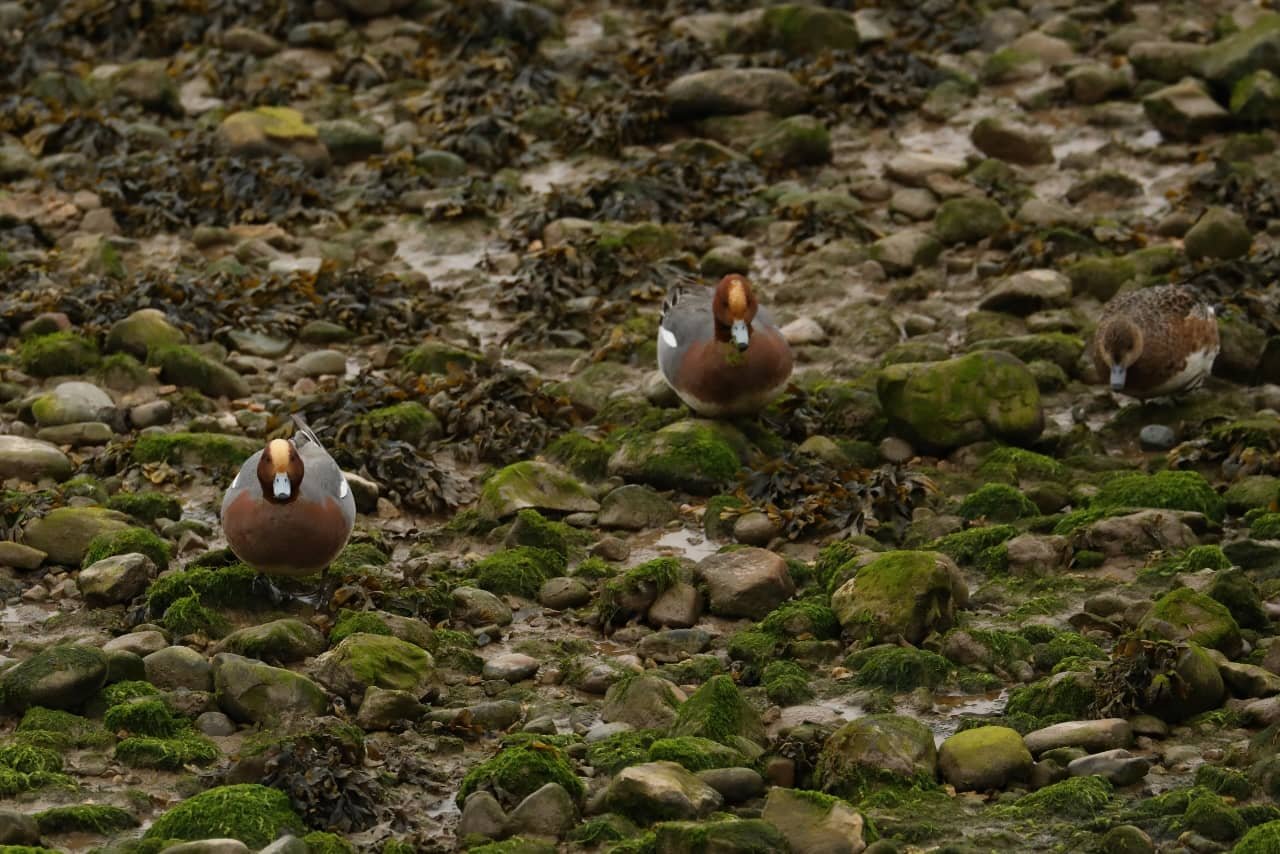
Widgeon Duck: Photo Alan Smith
Oiled Birds
Probably due to crude oil from Oil Tankers cleaning out their tanks in Heysham Lake, on the approaches to and from Heysham Harbour, Tom finds injured birds on the West Shore. In 1953, Tom records nine oiled birds: two Shelduck, two Common Scoter, two Guillemot, a Lesser Black-Backed Gull, a Herring Gull, and a Cormorant. All were found dead.
In 1954, he found nine birds, all Common Scoter; this time, seven were found alive.
The following year, no oiled birds were found; Tom suggests that this is due to the absence of strong westerly winds, which would have blown oil into where the birds would be.
The Annual Diary
For each of the years 1953 to 1956, Tom also kept a monthly diary of what he considered ‘noteworthy’.
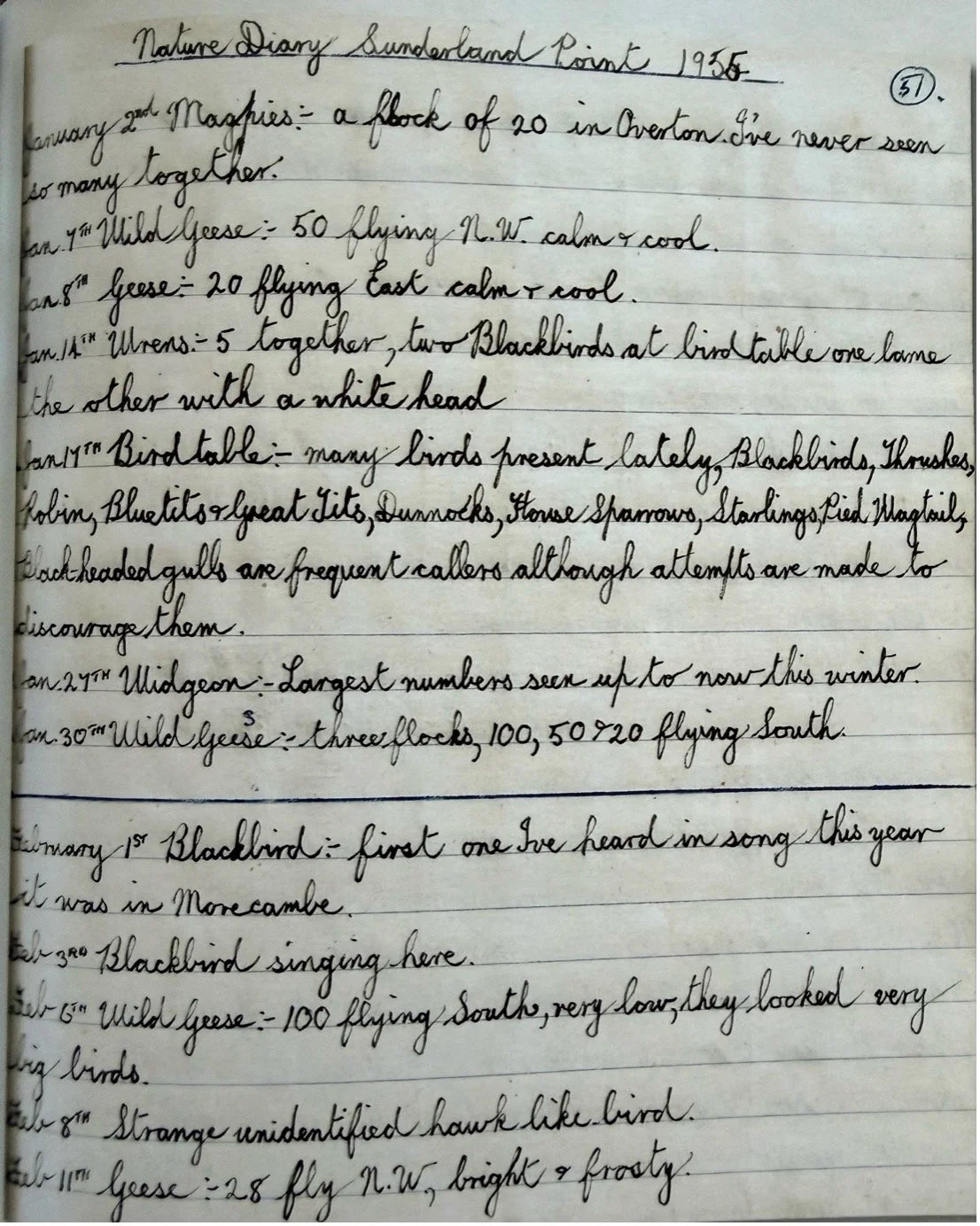
A page of the annual diary for 1955: copyright Alan Smith
Tom recorded special events that caught his attention. They capture our interest as well, though some would need an explanation from Tom, like this first one.
In February 1954, Tom writes, ‘three Robins on Hall Farm dairy roof, trouble brewing’. (Cock Robins are fierce territorial warriors)
On March 3rd, 1954, he says, ‘the air has been full of birds all day. I've never seen as many in a day. There seemed to have been thousands, including larks, pipits, fieldfares, redwings, and thrushes (These would be passage migrants, birds arriving after wintering in warmer climes, although the Redwing is a winter visitor from Scandinavia)
Or in May 1954, simply ‘Brown Owl (another name for the Tawny Owl) with prey at dusk, something quite big’
On June 1st of the same year, Tom again mentions Frank Tomlinson (no other person is named in the book)
Good work by Frank Tomlinson on the West Marsh, he found all the nests of redshanks, Lapwing, Skylarks, and Reed Bunting…. many of them that were in danger of being washed away by the tide, he raised them stage by stage onto islands of sods as the tide rose.
The birds took to the operation very well and could be seen sitting quite happily surrounded by the water. Mr Tomlinson put in quite a few hours digging to make the islands.
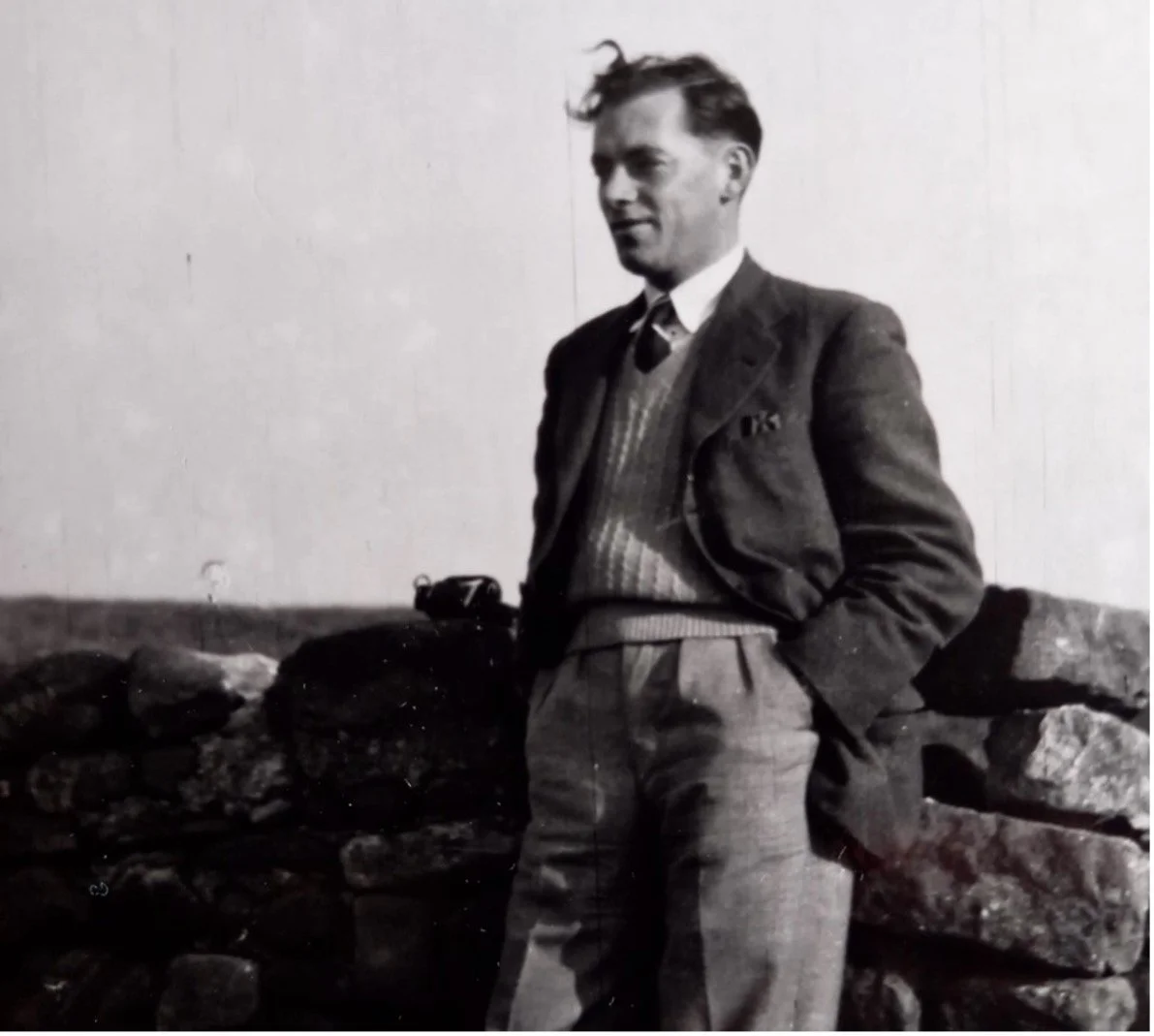
Frank Tomlinson at the Point: Collection Claire Tomlinson.
On June 11, 1954, Tom and Frank paid a visit to the Tern nesting ground on the opposite side of the river. They found 32 Tern nests, a Ring Plover nest, and an Oystercatcher nest.
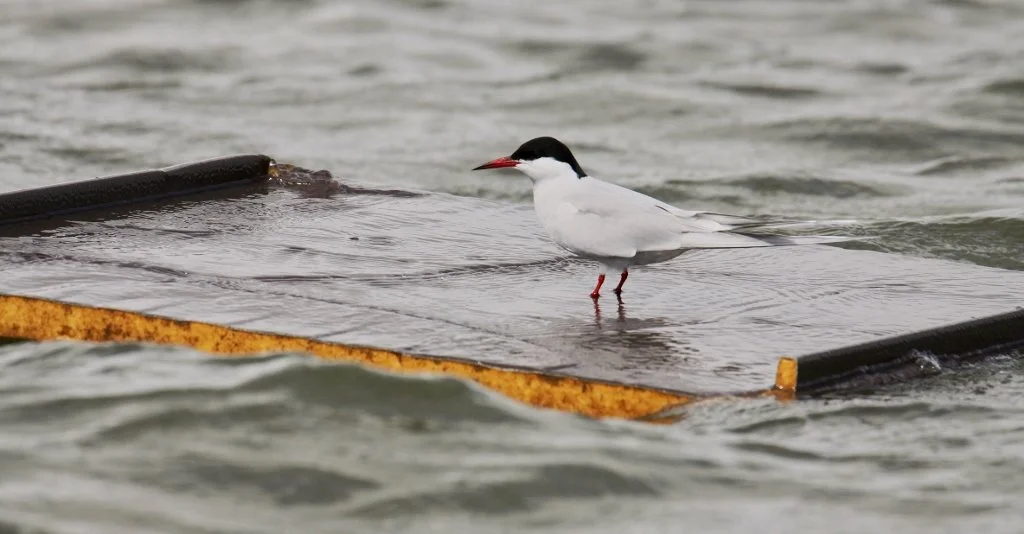
Common Tern: Photo Alan Smith
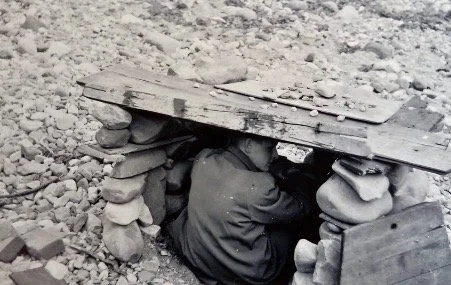
A makeshift bird hide: Collection Claire Tomlinson.
In July, a Seal came near their fishing boat and followed them for some time, and Tom ‘got a good look at it.’
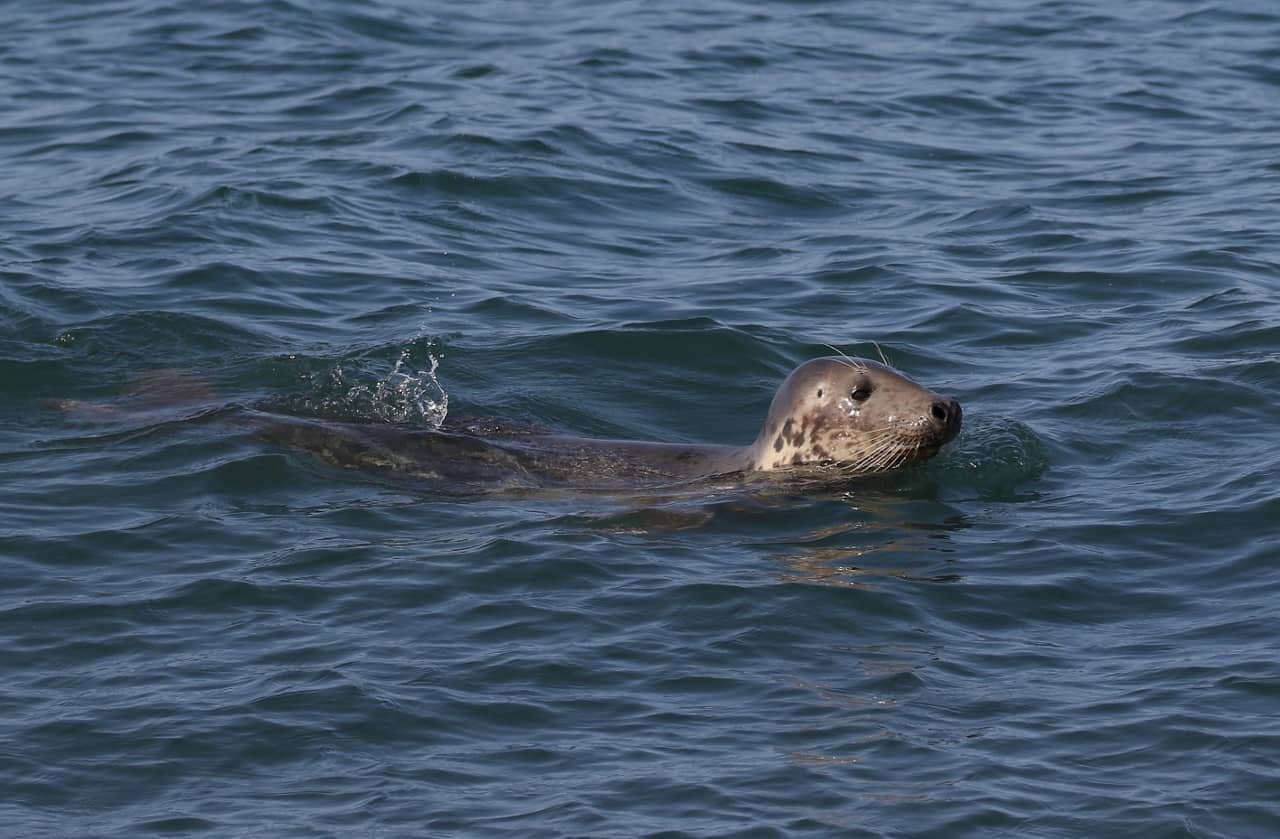
A Grey Seal: Photo Alan Smith
On 3 March 1955, he reports that the blackbirds were singing again after a three-week silence caused by wintry weather.
On June 6th, A strange bluebird at Baithaven flashed past us as we were shooting our salmon net in a fresh westerly breeze. It was flying upriver and turned over the land about the land-lighthouse.
August 14th: the young kestrel we've had for the past three weeks was released. It was brought to me injured after hitting telephone wires. It was soon fed on worms, meat from the butcher raw, and occasionally, sparrows shot with a gun by a young holidaymaker.
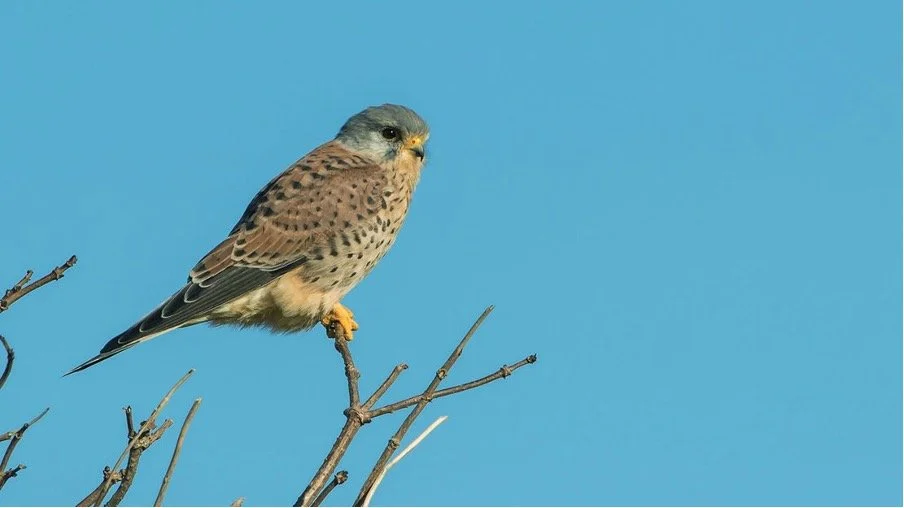
A Kestrel: Photo Mark Eggerton
And this brilliant account from November 30, 1955 (when gathering mussels).
Merlin chasing a Ringed Plover on Crook Skear wouldn't be scared off although the plover came right between two of us standing about a yard apart, the hawk followed every twist and turn of the plover, the chase continued up and down the Skear for a good quarter an hour, at one time the plover plunged into the river with the Merlin almost on its tail but both recovered and carried on as before.
Three men with shotguns (almost certainly wildfowlers) were also watching the performance and shot at the hawk once or twice when they got the chance to try and frighten it, but it did no good; the Merlin just zoomed straight up out of range and continued after its prey. The plover put in some marvellous evasive tactics but was getting pretty tired.
It rested whenever it got a split second. The chase finished up at the bottom of the shore below Crook Farm, where the Merlin, for some unaccountable reason, abandoned the pursuit, leaving the plover alive and well.
Thrilling while it lasted, with a happy ending too.
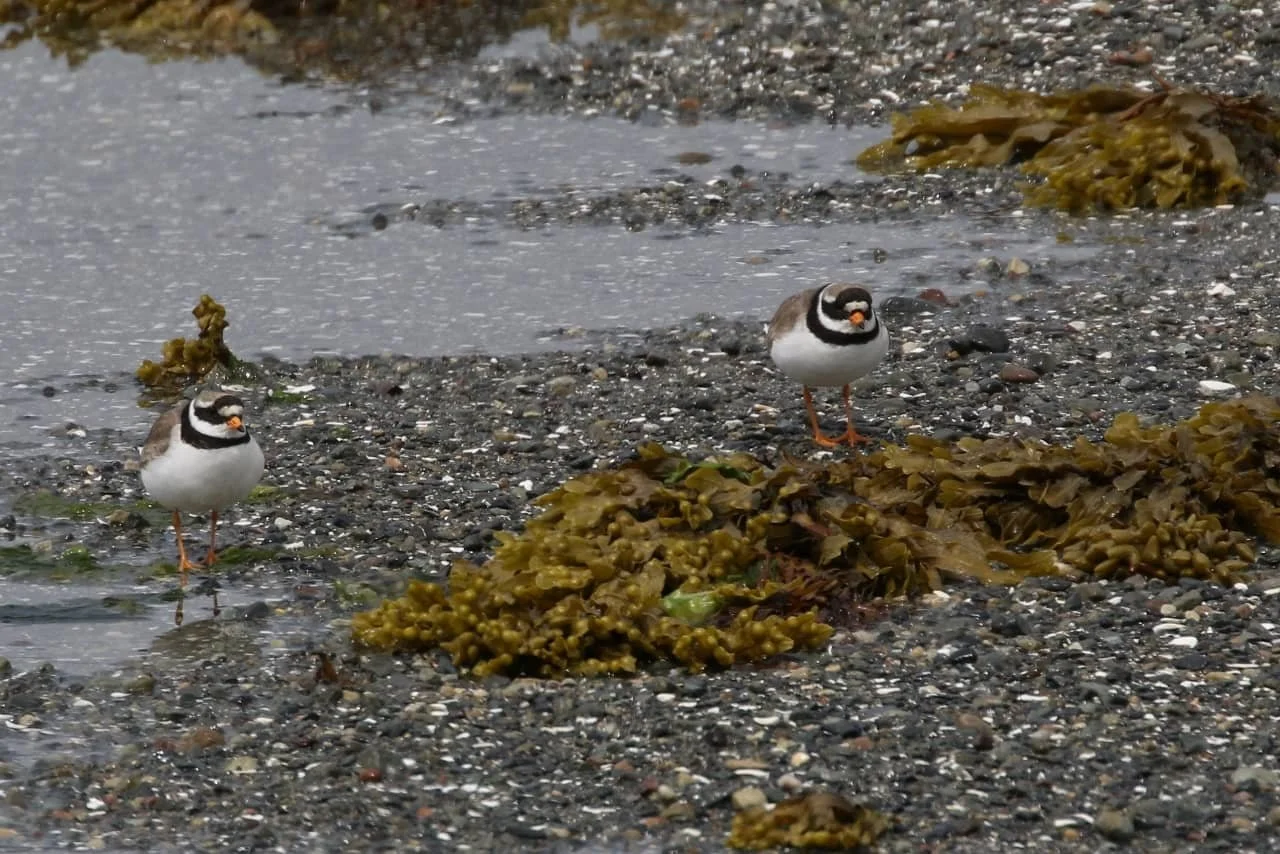
Ringed Plover: Photo Alan Smith
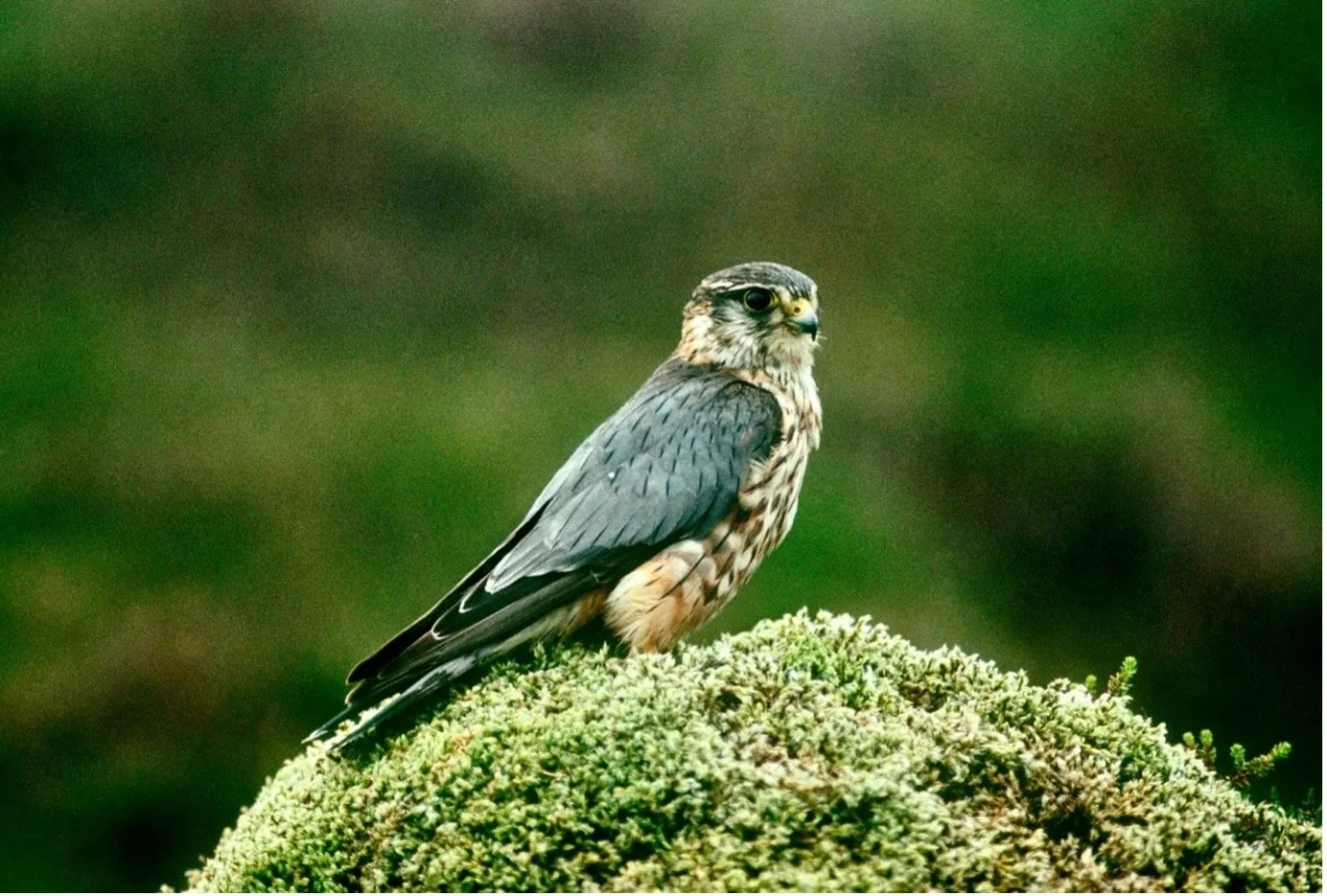
A Merlin: source RSPB
And this from June 10, 1956. Tom was awake early: a bird was singing at 1:15 this morning. Although it sang a few snatches, I failed to identify it. (Tom would be up early, either going salmon fishing or returning)
The End of the Year
In Tom’s year-end summary, most words are about the weather. It’s a fascinating insight into what was being experienced on the Point.
In 1953, Tom reports a mixed year for the weather, and then “The weather took up a bit in September, and we had the finest ‘back end’ (Autumn)for many years with hardly a night of frost”
In 1954, the weather sounds grim: it started to rain on the 1st of June and rained until Christmas, the longest fair period in the seven months was two spells of three days each…. the river was in flood from the first week of June until Christmas.
I think it was one occasion when a few frosty days would have been welcome. Truly a washed-out year
1955 was a mixed year; in February, winter had returned with a vengeance, with heavy snow and hard frost. At low water, the river was almost blocked with sheets of ice floating down for two or three days’
However, the summer was exceptionally fine, with warm, sunny days and high temperatures from June through the end of September. A really memorable summer and “back end” too, especially after 1954. It made up for quite a lot.
1956 was a disappointment after the previous summer. Tom says, ‘Not a memorable year in the way of weather’
Adding to our heritage
The village has a wonderful collection of photographs and other records that have been preserved, documenting past times. Tom’s Nature Diary is a treasure trove of valuable knowledge about birdlife, migration, nesting habits, weather, and many brilliant observations of the world in which he was born and lived his whole life.
Here is Tom again, on the 3rd of August 1957, aged 24, with another Salmon caught while haaf netting, photographed at the Moorings (number 3)
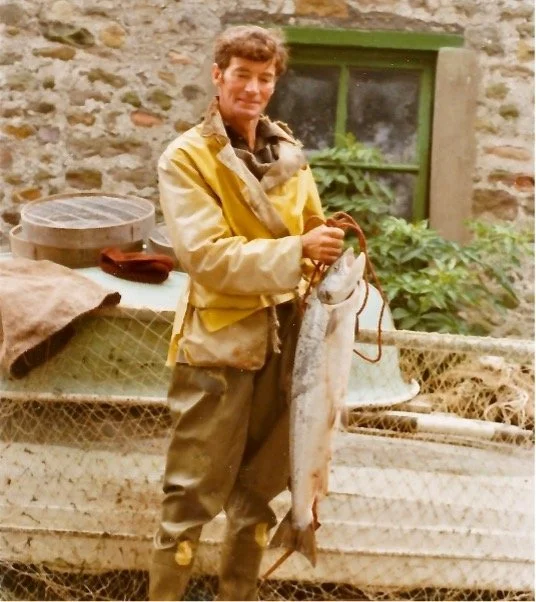
Tom Smith with a Salmon caught in a Haaf Net: Photo Alan Smith.
Finally, this outstanding 1978 photo by Alan of Tom haafing in the river with the village in the background.
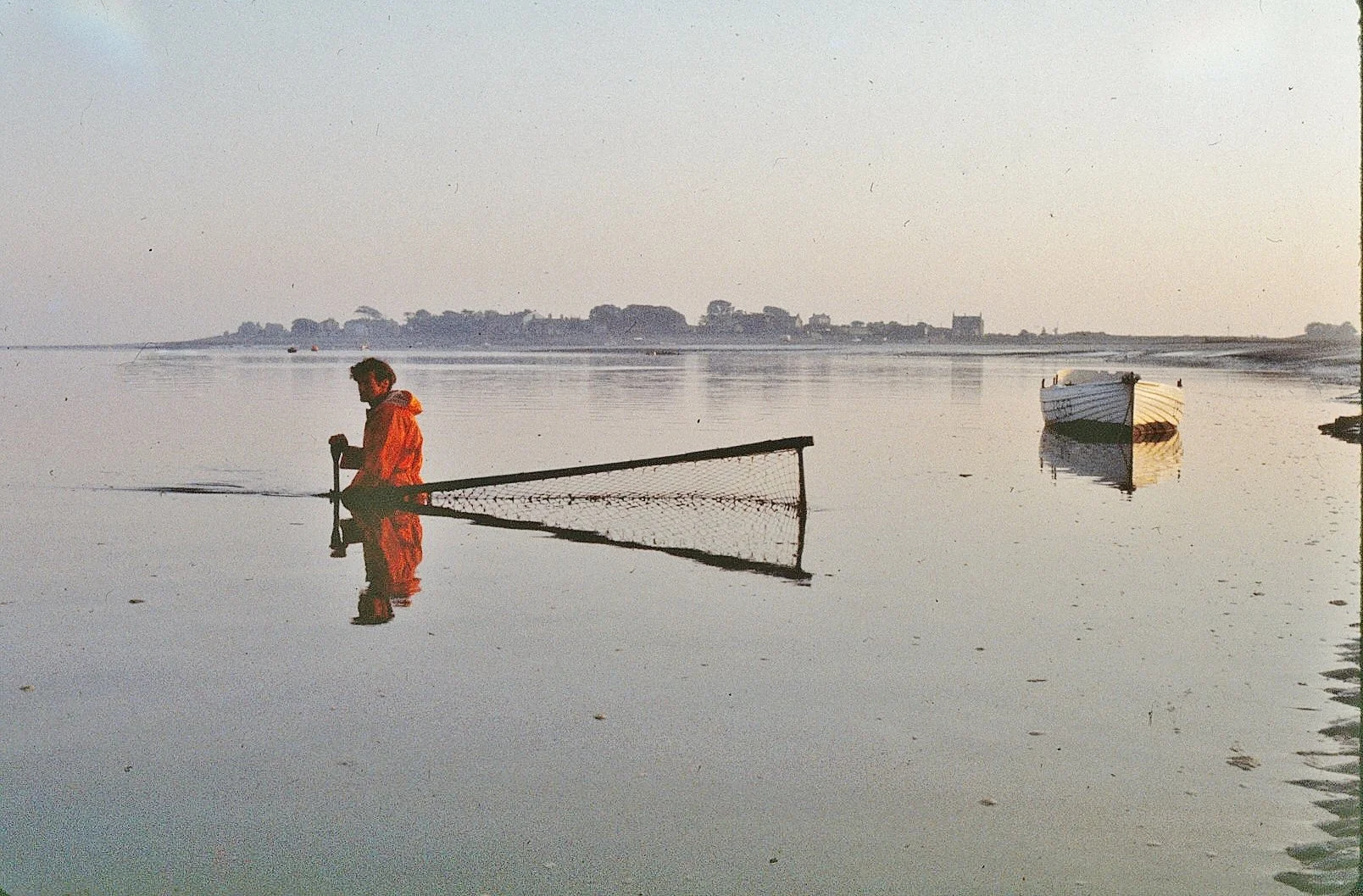
Tom haafing in the river: Photo Alan Smith
Special thanks to Alan for sharing the contents of Tom’s nature diary and for his brilliant photographs.