A Clean River?
Part 2 - Today
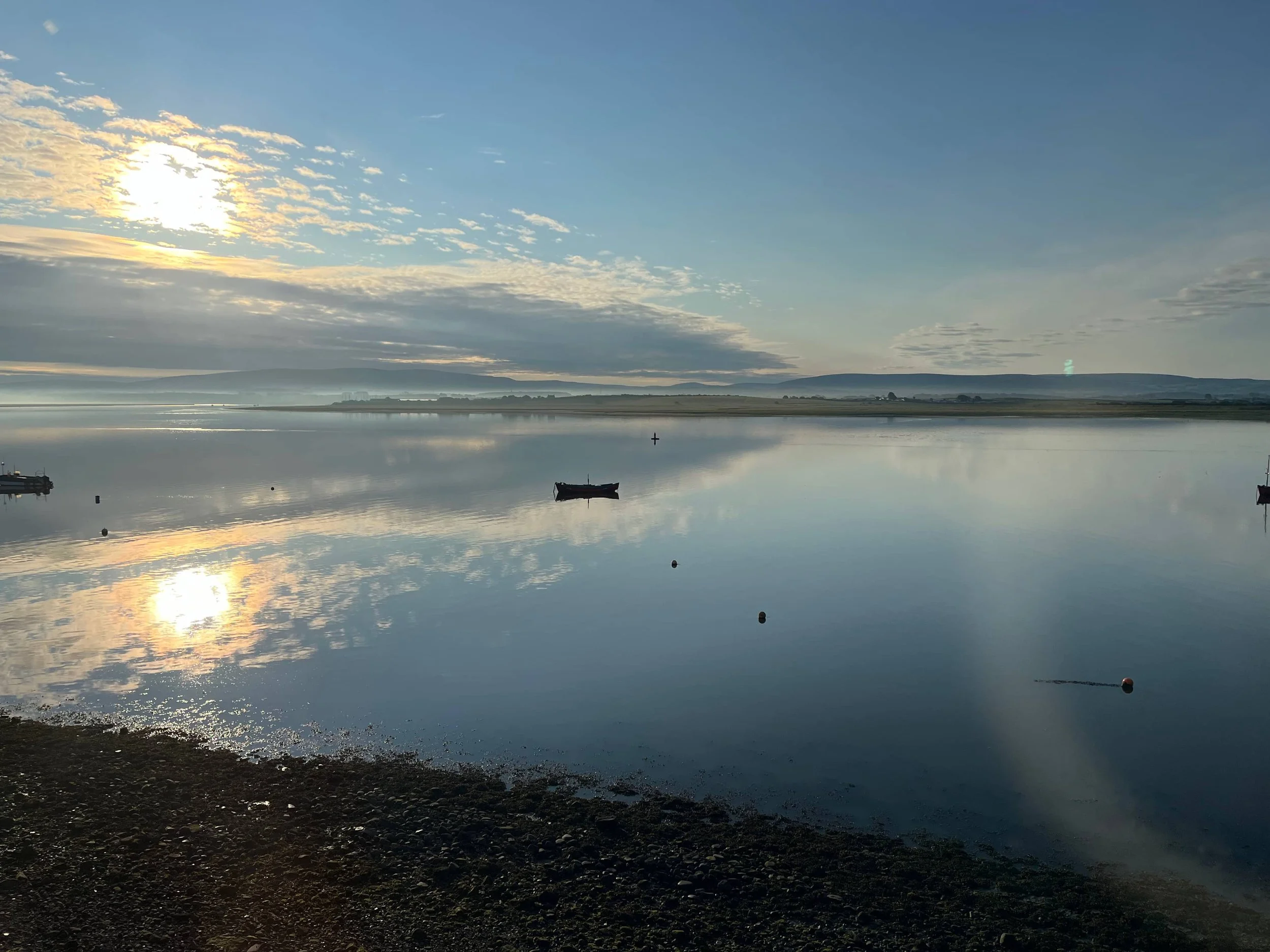
The River Lune at Sunderland Point: Website photo
Last time we looked at the past, this is today as seen from the quayside at SP
Introduction
There is a deeply felt, natural concern for the health of the majestic river that flows past the village. It is a vast habitat for aquatic wildlife and plants and provides rich feeding grounds for birds on the water and along its banks.
Fortunately, no documentary evidence indicates any imminent ecological collapse directly attributable to pollution. Nor is there a direct link between the pollution and the dramatic disappearance of salmon. Regulation and compliance rely on permits, monitoring, and advice. Formal enforcement is rare. Other than plastic waste, there are no visible signs of neglect.
However, using chemical analysis, the Environment Agency (EA) continues to identify pollution risks from agricultural practices, (especially) sewage discharges and road runoff, particularly from motorways.
The EA’s extensive monitoring along the river shows a mixed picture. Many upper tributaries are in Good ecological condition, while the Lune around Lancaster is classified as Bad. As the river passes Sunderland Point and into Morecambe Bay, it is classified as Moderate.
In its latest assessment, published by the EA on August 6th, 2026, based on 2025 data, the river around Lancaster showed no improvement and remained classified as bad.
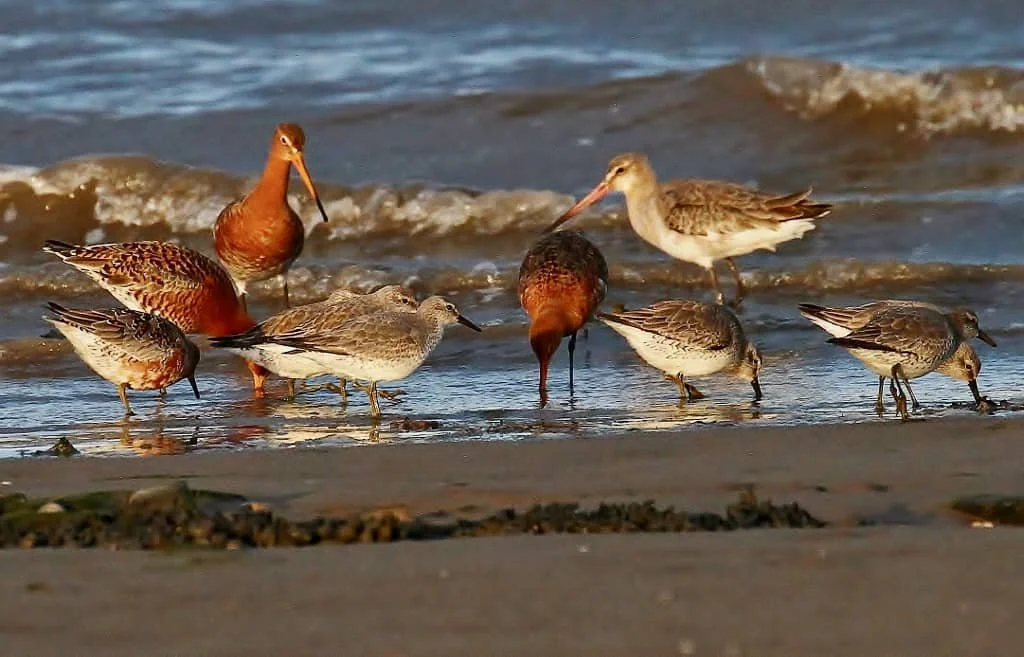
Godwits, Dunlin and Knot feeding on the shore 2015: Photo Alan Smith
A closer look
The River Lune extends about 53 miles, from the Howgill Fells across Cumbria and North Yorkshire, and includes a network of tributaries and becks. The entire Lune catchment covers several hundred miles of watercourses, with only the last 8 miles before the estuary being tidal.
More than 100,000 people reside close to the river, including 78,000 in the Lancaster area. The Lune is an important source of public water supply to the Lancaster vicinity.
A very strong legal framework protects the river, and no individual or organisation may allow any material that may pollute the river, to enter the river without a permit from the EA.
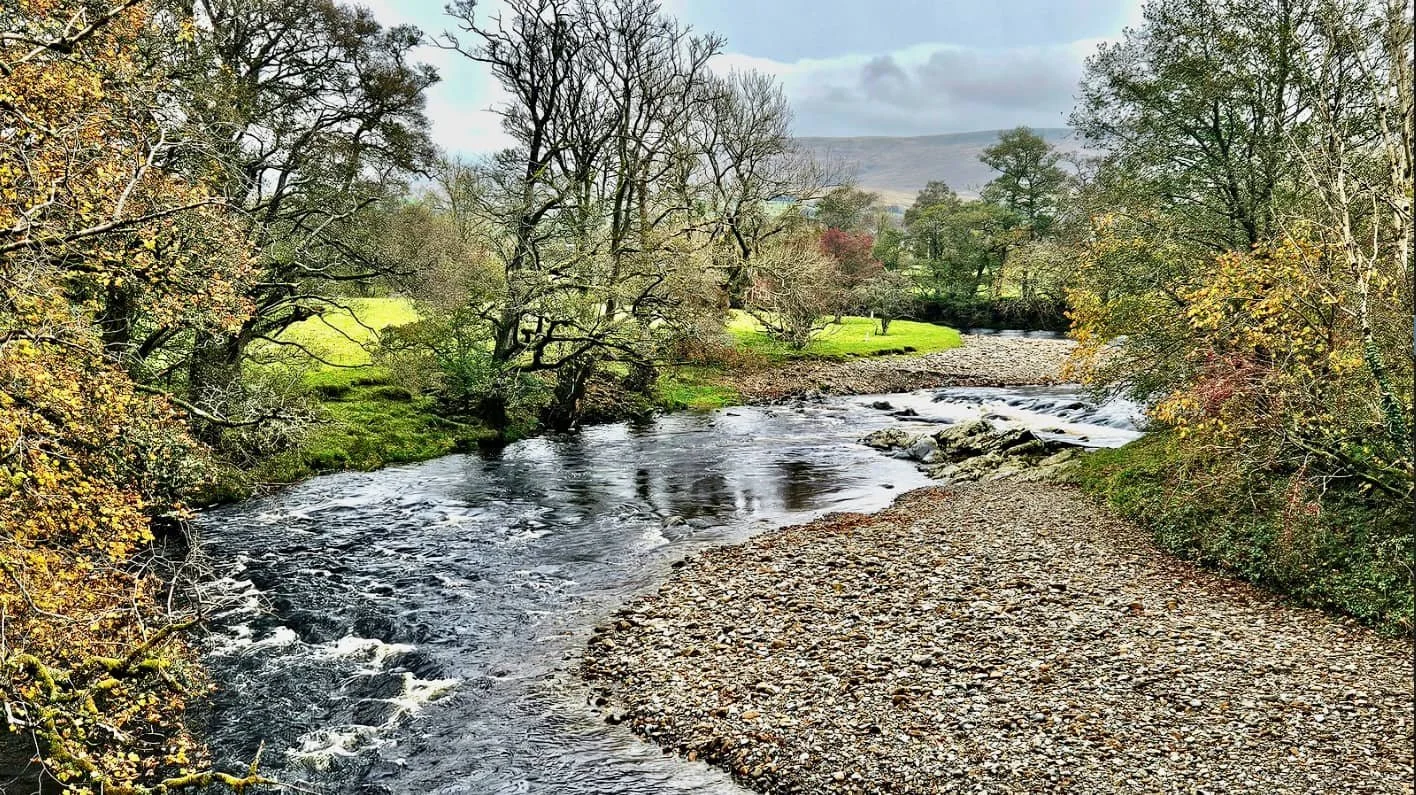
The River Rawthey near Sedbergh, a tributary to the Lune: Photo Baz Richardson
The Players
The EA is the primary environmental regulator and publishes comprehensive water-testing data and performance information. It monitors compliance against legislation-backed standards, issues discharge permits, investigates pollution incidents, and can take enforcement action if obligations are breached.
United Utilities (UU) provides drinking water and wastewater services across the North West of England. It operates the water-supply network and, for wastewater, is responsible for sewers, pumping stations, sewage treatment works and storm overflows.
Other key players include Natural England, Defra, the local councils, Farmers and Landowners, National Highways, and the Lune Rivers Trust. For us, we focus on the EA and UU.
From a national perspective, Ofwat is the economic regulator for the water industry. It monitors companies’ performance and customer service, assesses their investment plans, and sets limits on the prices they may charge.
The Pollutants
Various pollutants affect the River Lune.
Nutrient-rich material, especially nitrogen and phosphorus, from treated sewage, agricultural fertiliser, slurry, and manure dominates water quality. This can encourage excessive growth of plants and phytoplankton (we explain later).
Organic material from sewage and slurry can stress aquatic life as it decomposes.
Faecal bacteria, especially E. coli and intestinal enterococci, from sewage, manure and septic systems, are important for bathing water and shellfish safety programmes.
Ammonia, again associated with sewage and agricultural waste, can be toxic to fish at high concentrations.
Road-runoff pollutants, including oil, fuel residues, tyre and brake wear and polycyclic aromatic hydrocarbons (PAHs), particularly from major roads and motorways.
And others, including a legacy of industrial chemicals and metals
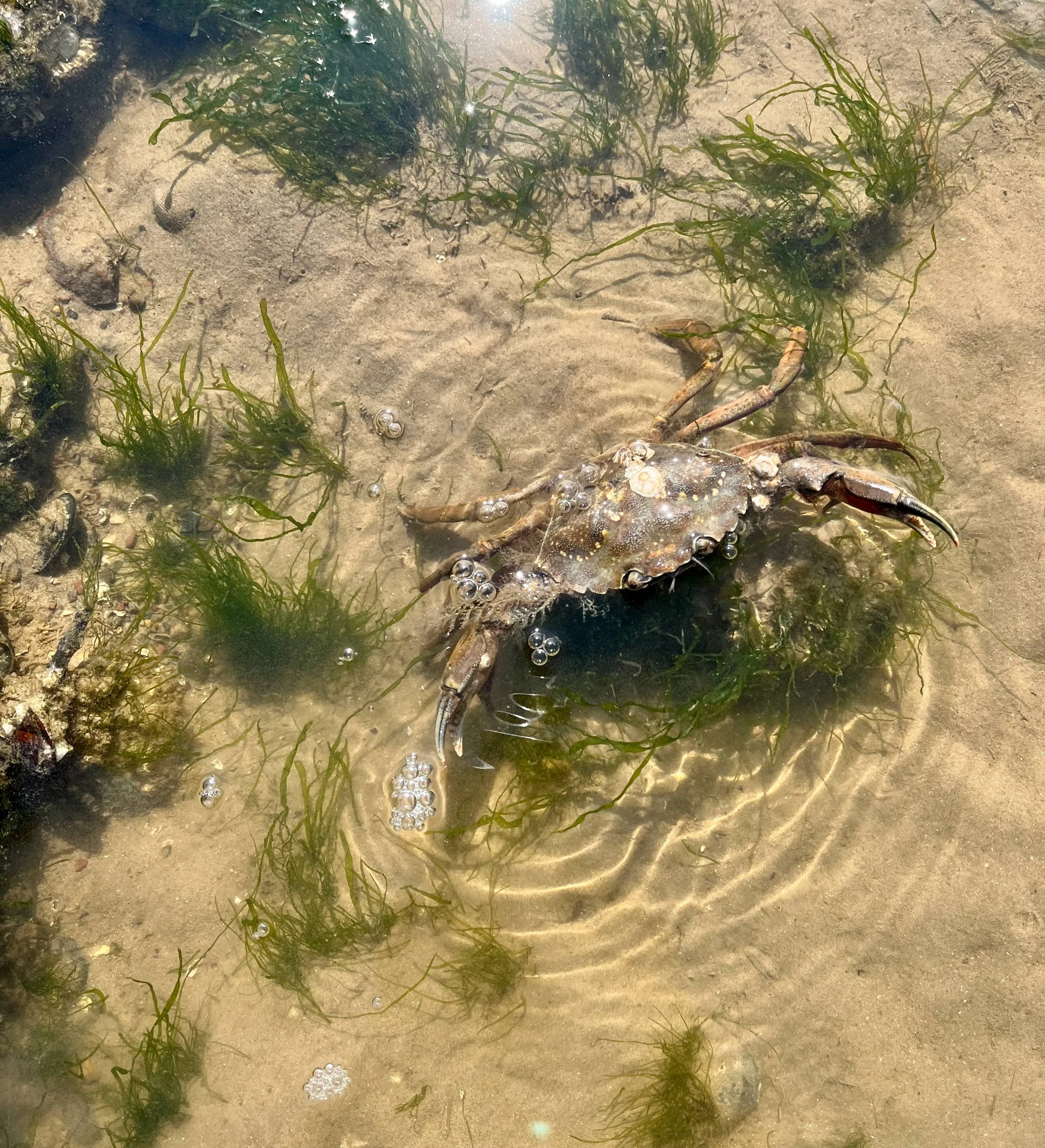
A crab in the river ready to defend its territory: Website photo
Monitoring water quality
Testing takes place at numerous locations across the catchment area, the main body, and the estuary. The frequency varies, but monitoring covers basic water chemistry and the biological health of the river's creatures, including fish, insects, and aquatic plants.
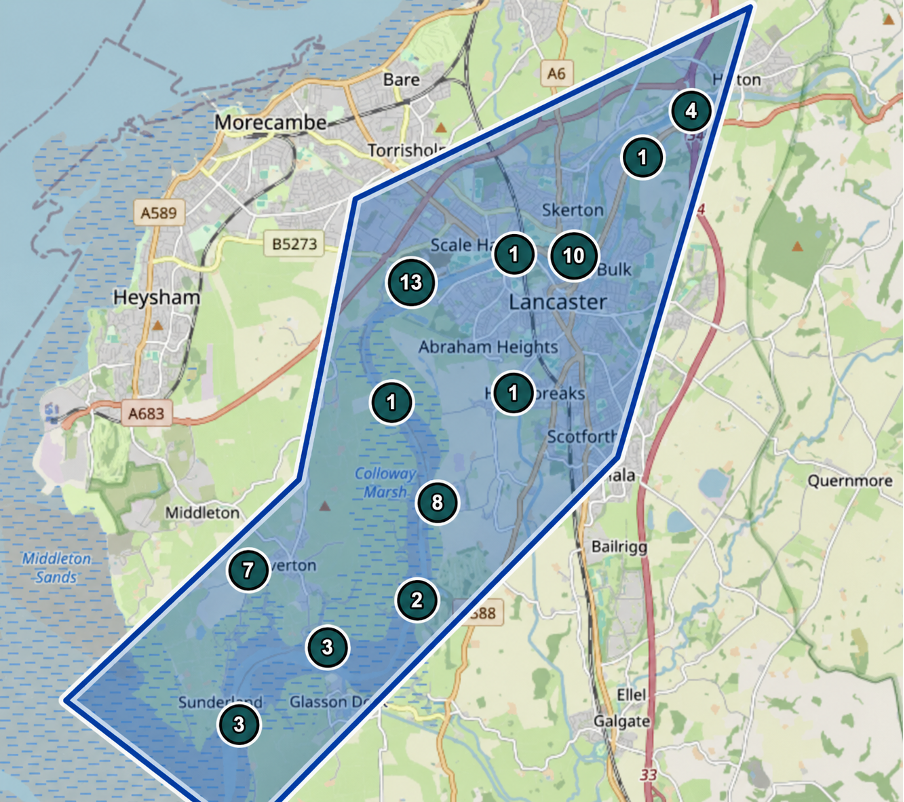
Extract from the Water Quality Data Explorer: Source: Environment Agency
This extract shows just the lower reaches of the Lune; the numbers indicate the number of testing sites in that area.
Monitoring may include nutrients, oxygen, ammonia, metals, pesticides and biological indicators. Faecal-indicator bacteria are principally monitored through designated bathing-water and shellfish-safety programmes.
There are also tests for oil-based fuels, metals and tyre particles,
Legacy chemicals such as mercury and PBDEs (from flame retardants) are widespread environmental contaminants and are also monitored by the EA.
Monitoring results contribute to the Environment Agency’s water-body classifications, alongside other biological evidence, modelling and assessment.
Ecological ratings
Under the Water Framework Directive, the EA uses five ecological ratings for rivers, estuaries and coastal waters:
1. High – close to natural, undisturbed condition.
2. Good – healthy, with only slight evidence of human impact.
3. Moderate – noticeable ecological damage or pollution.
4. Poor – substantial damage; wildlife and habitats are significantly affected.
5. Bad – severe ecological damage and major alteration from natural conditions.
The assessment considers fish, aquatic plants, invertebrates, algae, oxygen, nutrients, temperature and the physical condition of the river or estuary.
Importantly, the lowest-rated component generally determines the water body’s overall ecological rating, but does not necessarily mean that every aspect is causing severe damage.
The Lune Catchment Area
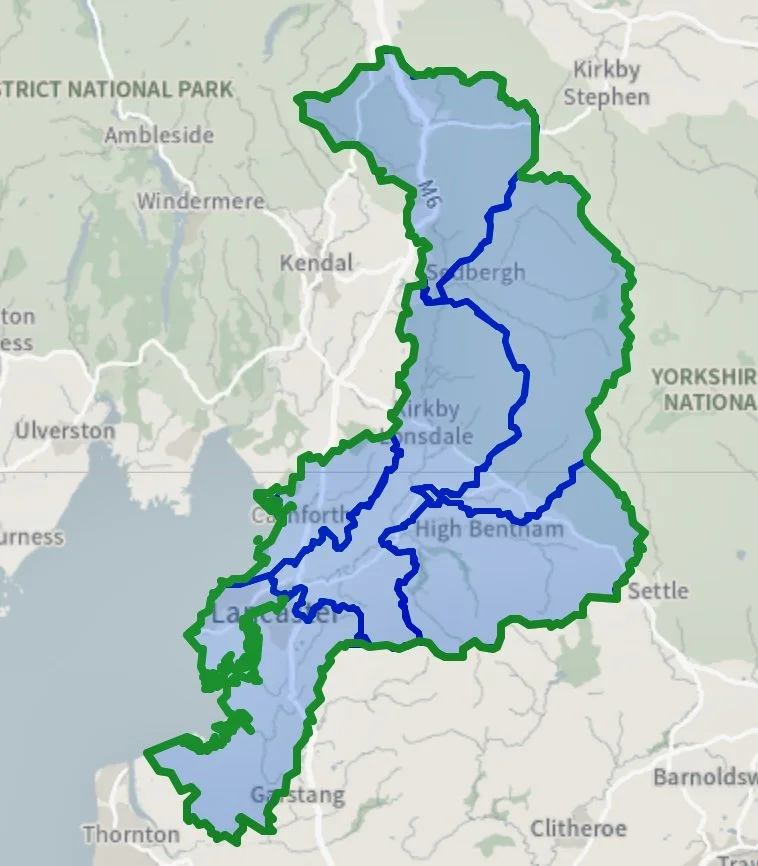
The River Lune Catchment Area: source Environment Agency Catchment Explorer
The catchment area includes all the smaller rivers, streams, and brooks that feed into it, for a total of around 36 classified water bodies.
No sections receive a high rating, but most receive good ratings; some are moderate, and a rare few are bad.
The main sources of pollutants are agricultural runoff and wastewater systems.
Around Lancaster and towards Sunderland Point
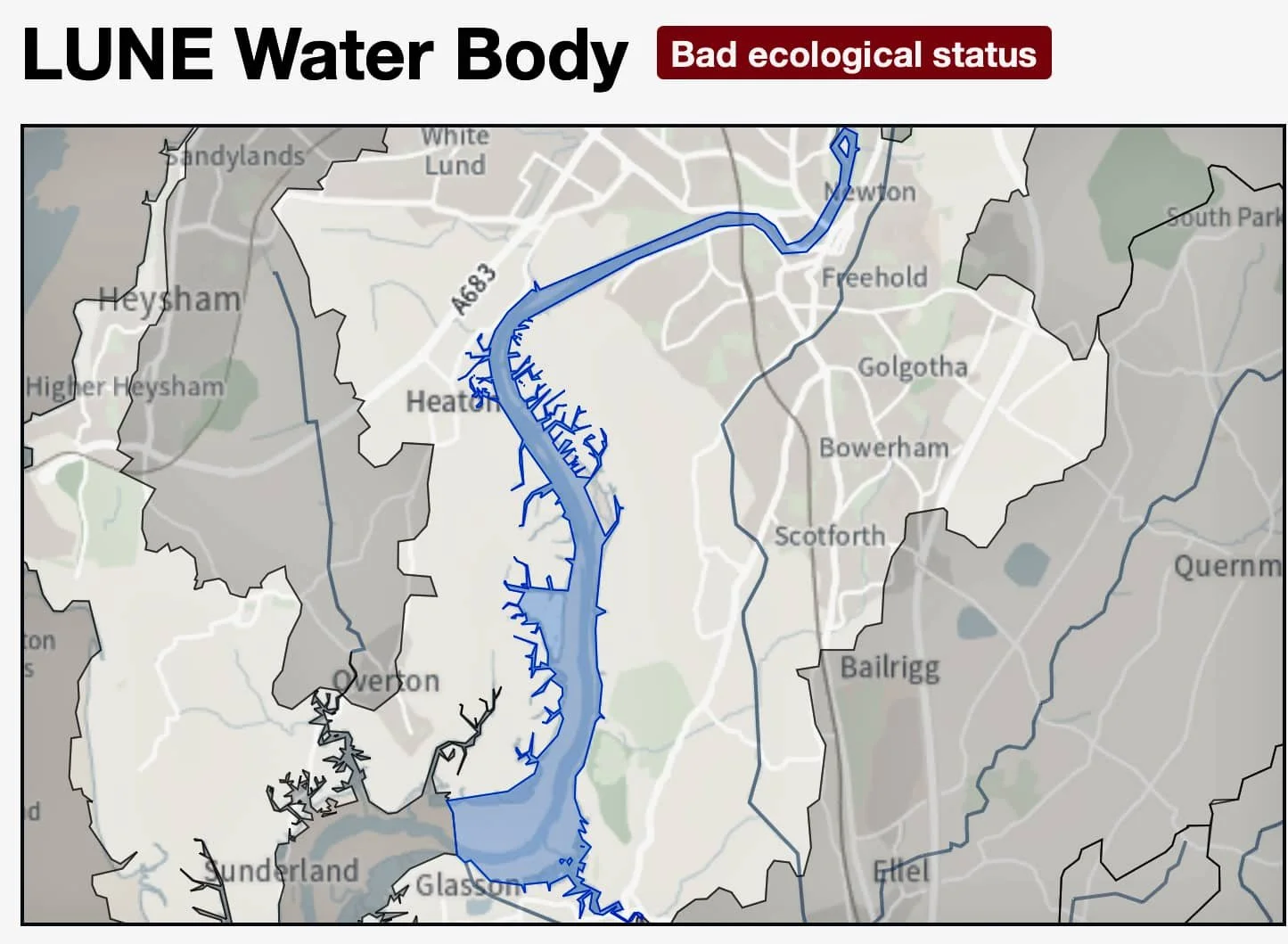
Lune Water Body: source Environment Agency Catchment Explorer
This is very disappointing and is just upstream from the village. It’s largely a legacy of the past, when we struggled to cope with wastewater after introducing clean water to improve public health and reduce high death rates from fevers, typhoid, and cholera.
Today, the key concerns are:
Treated wastewater from Stodday, which contains residual nitrogen and other substances, even though it fully complies with its permit.
Intermittent storm overflow discharges contain diluted untreated sewage, faecal organisms, organic matter and sewage debris.
Agricultural pollution carried downstream from the extensive Lune catchment.
Urban and road run-off from Lancaster and surrounding settlements.
Lancaster’s Lune Water Body is classified as Bad primarily because of poor phytoplankton status.
Phytoplankton are microscopic algae that naturally live in the water. Problems arise when excess nutrients act like fertiliser, allowing them to grow to unnaturally large levels. In large numbers, they form ‘blooms’ that, when they decompose, deplete the river's oxygen. They also reduce light.
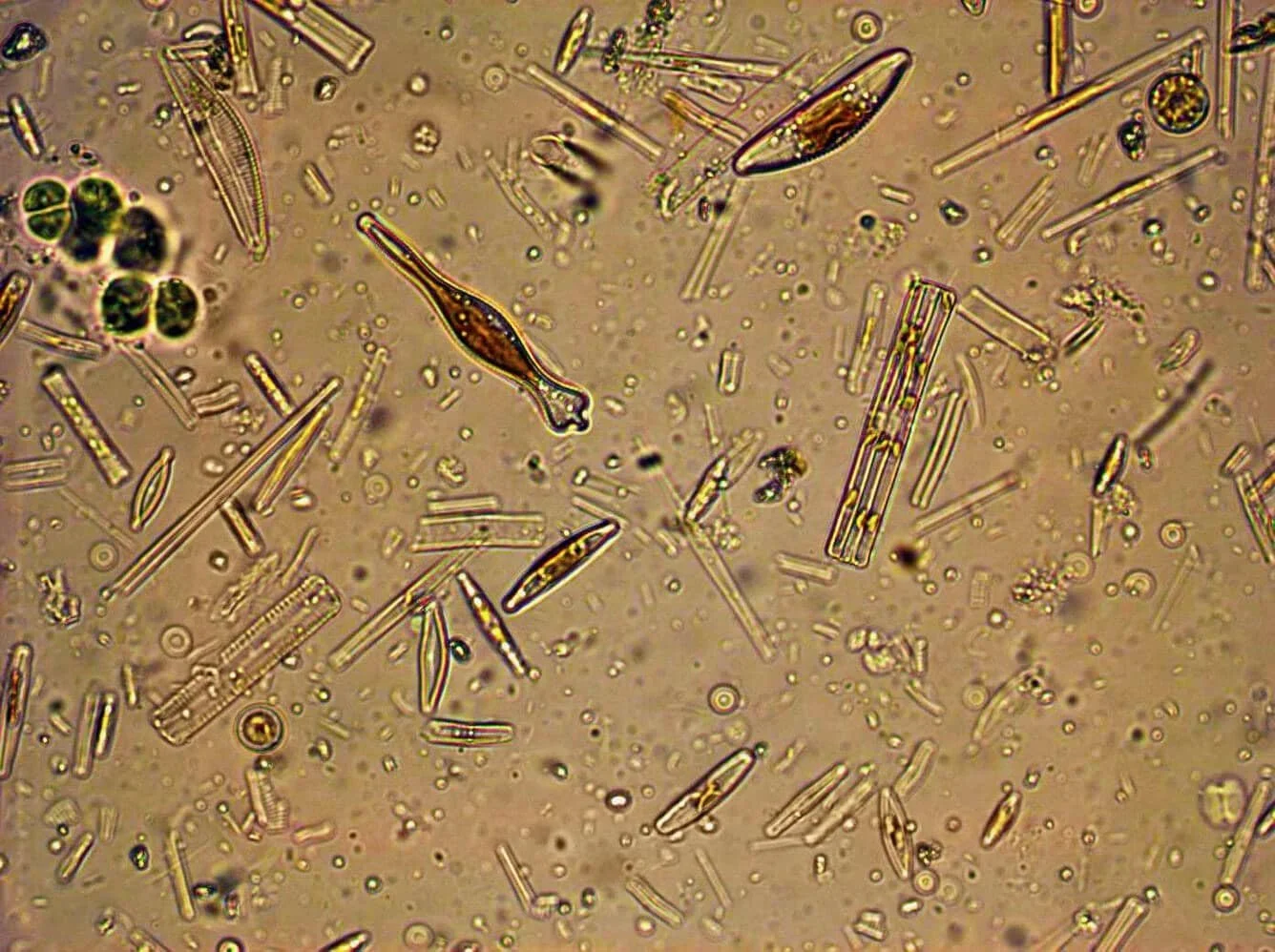
Phytoplankton, including diatoms, viewed under a microscope. Phytoplankton occupy the lower levels of the food chain
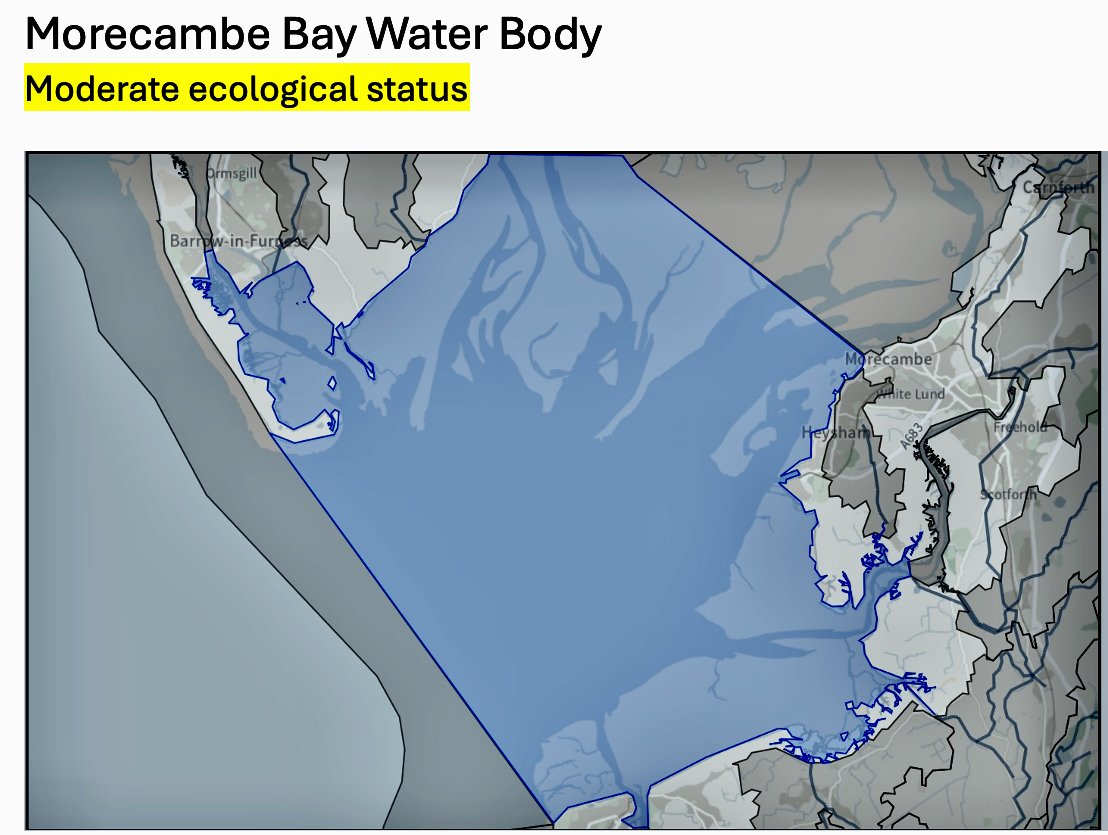
Morecambe Bay Water Body Source: Environment Agency Catchment Explorer
Again, the EA identifies wastewater as the principal ecological issue. Sewage discharges are associated with excessive phytoplankton and poorer invertebrate communities.
Shellfish testing in Morecambe Bay is a food-safety programme, separate from the Environment Agency’s ecological classification of the Lune. It is administered by the Food Standards Agency and local authorities.
The greatest attention is given to cockles and mussels because they are filter-feeding bivalves that process large volumes of water. They can concentrate bacteria, viruses and algal toxins in their flesh.
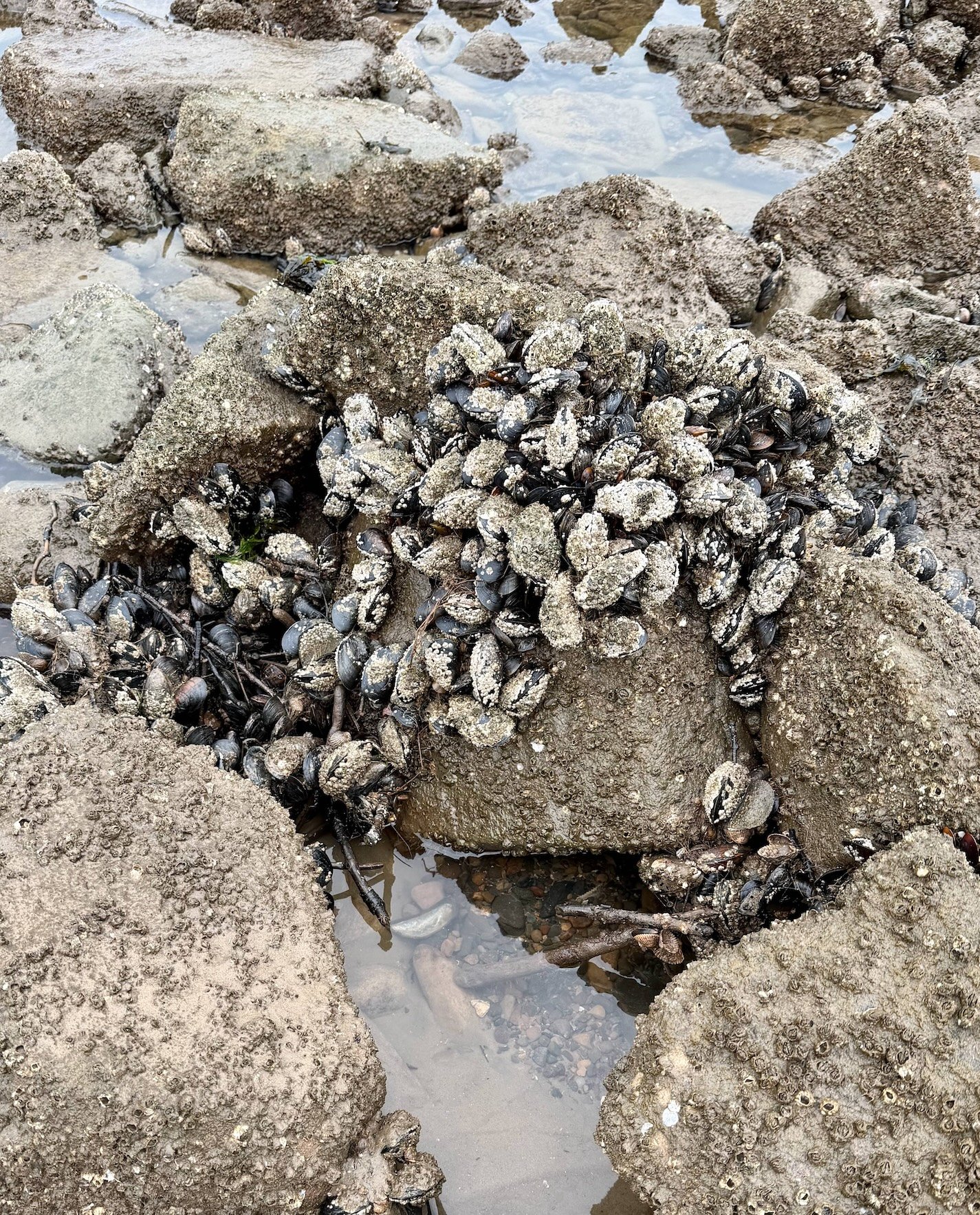
Mature mussels and barnacles on the stones at Town Skear at SP: Website photo
Wastewater treatment works (WwTW)
Apart from a relatively small number of private systems (as we have at SP), older towns collect and treat all human waste and most rainwater at Wastewater Treatment Works (WwTWs). Six works are directly on the Lune: Tebay, Casterton, Kirkby Lonsdale, Halton East, Caton and Stodday. A further 15 are on tributary rivers, such as Overton, which feeds into Lades Pool before entering the river. The exact volumes flowing through these plants are not published and will vary considerably in wet weather. However, and just for comparison purposes, this list can be produced. It is the maximum amount licensed by the Environment Agency
The current EA-permitted dry-weather-flow (DWF) limits are:
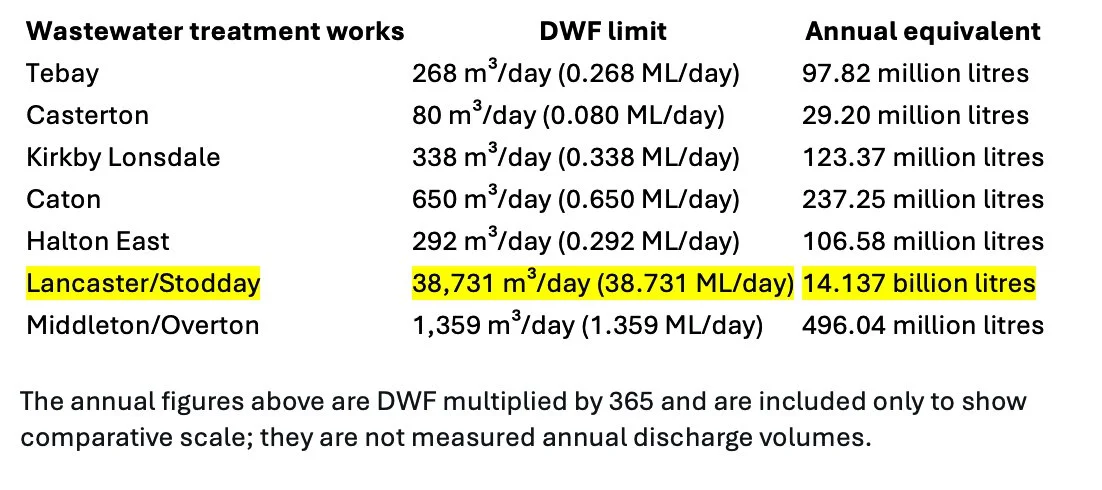
As shown, Stodday is by far the largest of the works, and on this measure the annualised DWF limit is equivalent to approximately 5,655 Olympic-sized swimming pools per year. Middleton/Overton, while still only a fraction of Stodday, has a greater DWF limit than all the upstream plants.
Stodday Wastewater Treatment Works
UU kindly showed us around the works.
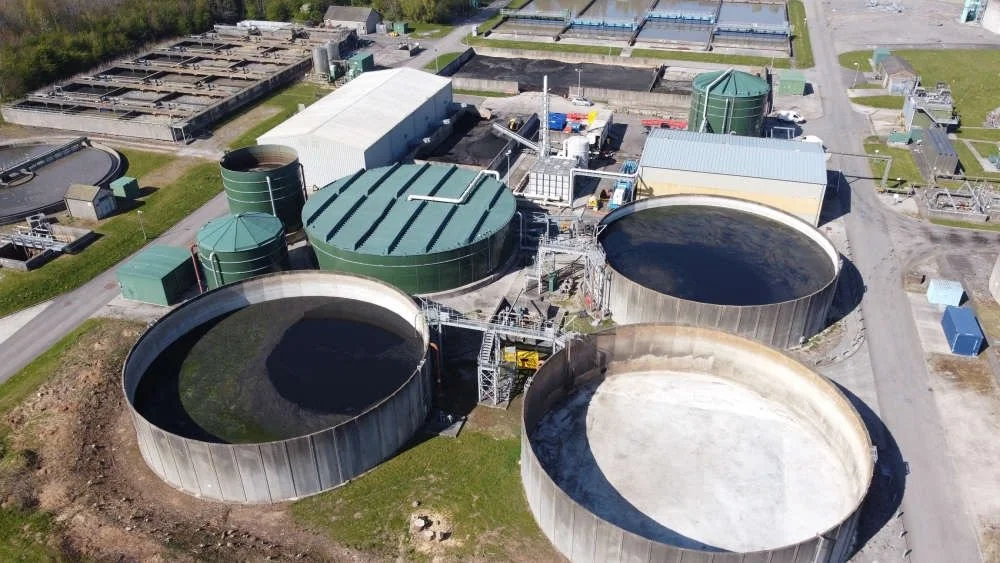
Lancaster Wastewater Treatment Works, Stodday. Photograph: United Utilities.
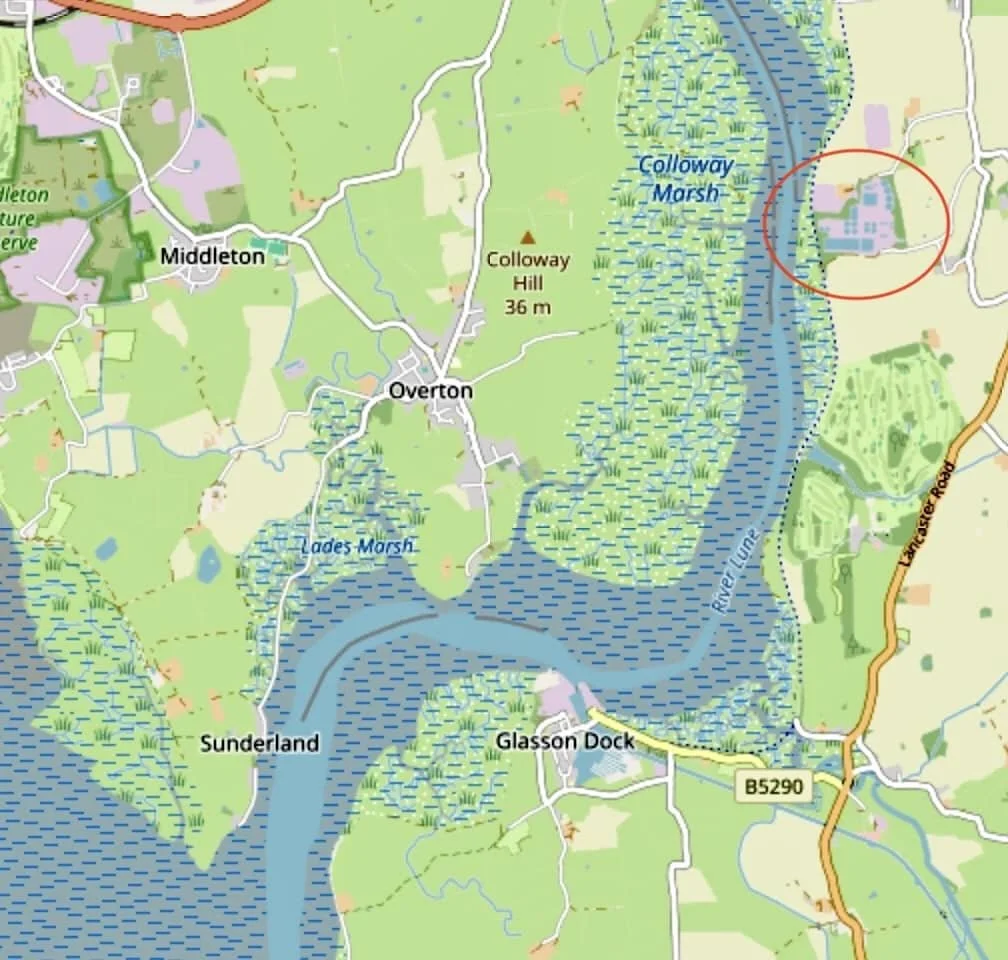
The location of the works, noting its size and distance to SP:Opensourcemaps
Simply put, all domestic waste from Lancaster and most street rainwater enter the plant through three pipes. The plant filters out plastic and grit, then directs the effluent to settling tanks, where it removes most of the solids. The plant treats and thickens the residual sludge in centrifuges, then transports it by tanker to Blackburn for recycling and energy recovery.
The liquid waste undergoes bacterial treatment, in which carefully controlled microorganisms feed on the waste's nutrients. The tanks are aerated in a controlled environment to maximise bacterial performance, and the bacteria are continuously recycled into each new batch of waste.
This activated process, first developed at Manchester Corporation’s Davyhulme Sewage Works in 1913, is used worldwide.
The next steps treat ammonia and phosphorus, and finally expose the effluent to UV light, which damages microorganisms’ genetic material and prevents them from reproducing. This reduces the presence of E. coli and other harmful bacteria.
The treated effluent is then stored in large ground-level tanks and released into the river twice a day over two hours during the ebbing tide.
The plant maintains strict process control throughout. The plant submits recorded information to the Environment Agency, which also conducts audits. At United Utilities, a separate group conducts unannounced spot checks. This is very impressive.
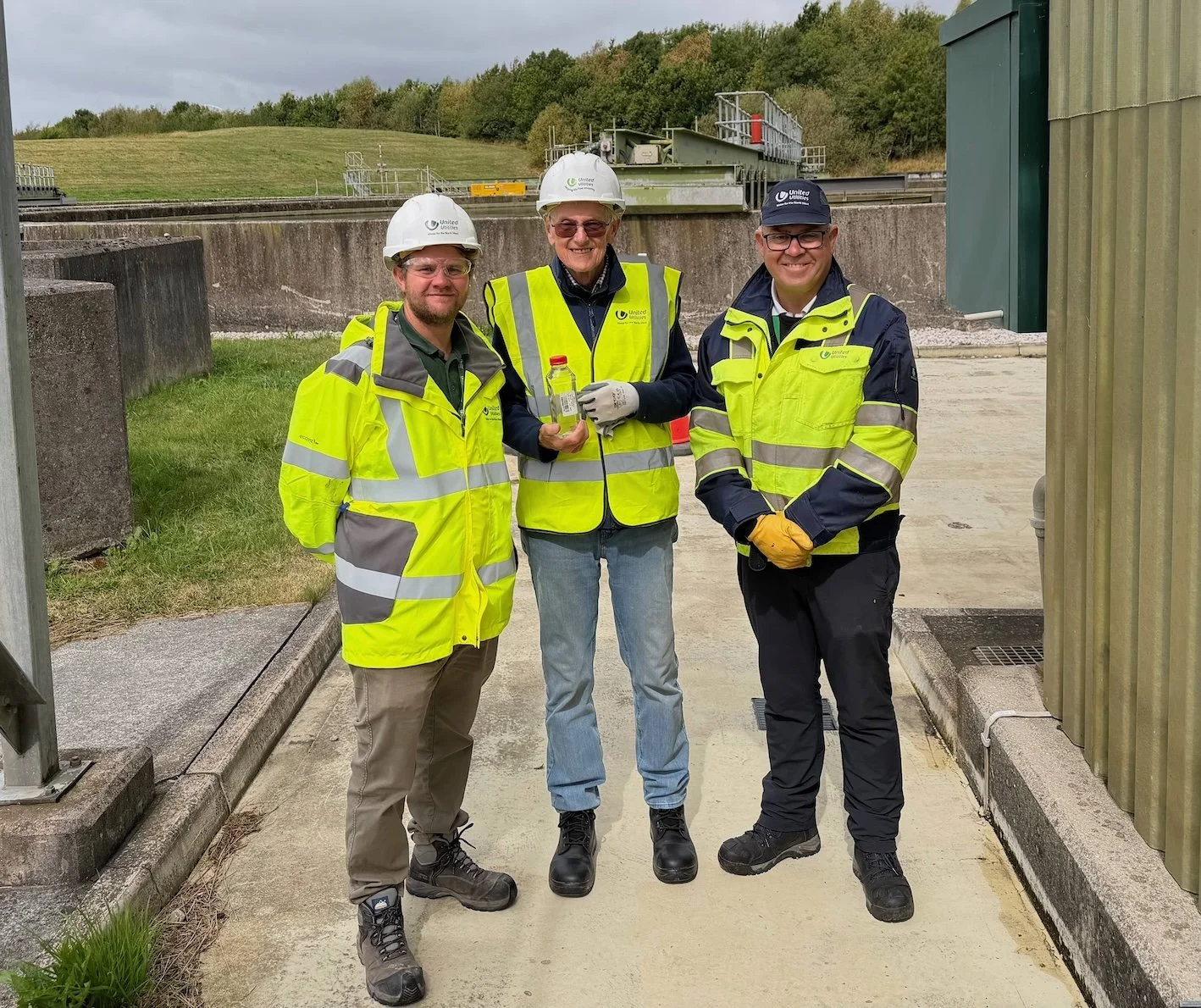
At the end of the tour, left, Simon Holding, the County Business Lead for Wastewater Services in Lancashire and right, Iain Pilling, Stakeholder Engagement Lead for Lancashire
I am in the centre, holding a bottle of the final product; it is crystal clear and odourless. The quality is well within the licence requirements but is unsuitable for drinking.
Storm Overflow Discharges (Spills)
During the Victorian era, when sewage piping was first installed, homes connected domestic waste to the same pipes that carried rainwater from the streets.
This diagram helps explain:
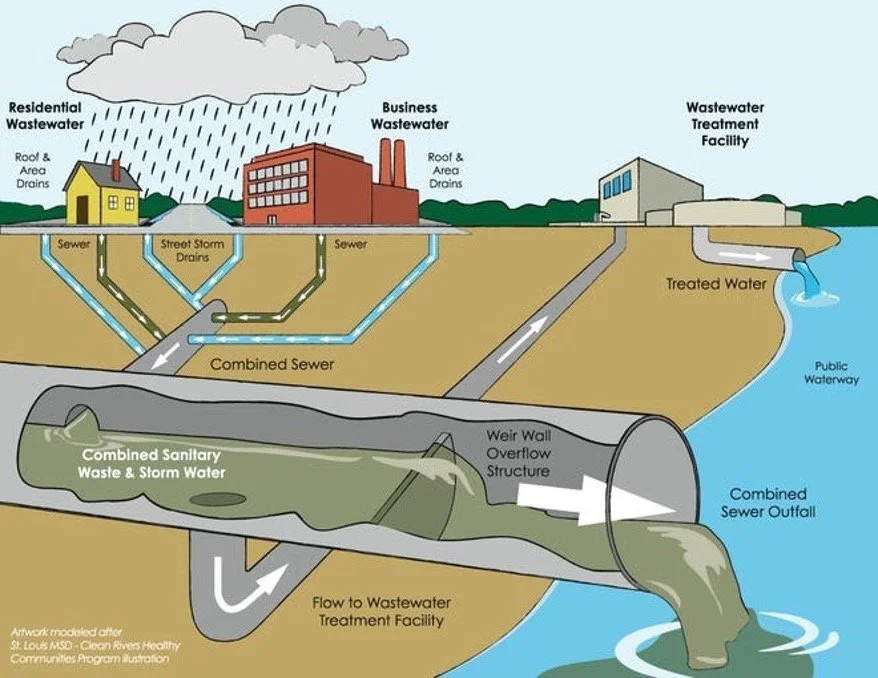
Diagram based on an illustration by the Metropolitan St. Louis Sewer District (USA).
Rainwater is collected through drains and joins the internal waste from homes, offices and industries, and the combined flow is carried in a single large sewer.
In Lancaster (and at other WwTWs), during normal times, this mixture of rainwater and waste is pumped or gravity-fed to the Stodday works for treatment; when the incoming flow exceeds the treatment rate, excess water is diverted to storm tanks and later returned to the treatment process as rainfall subsides.
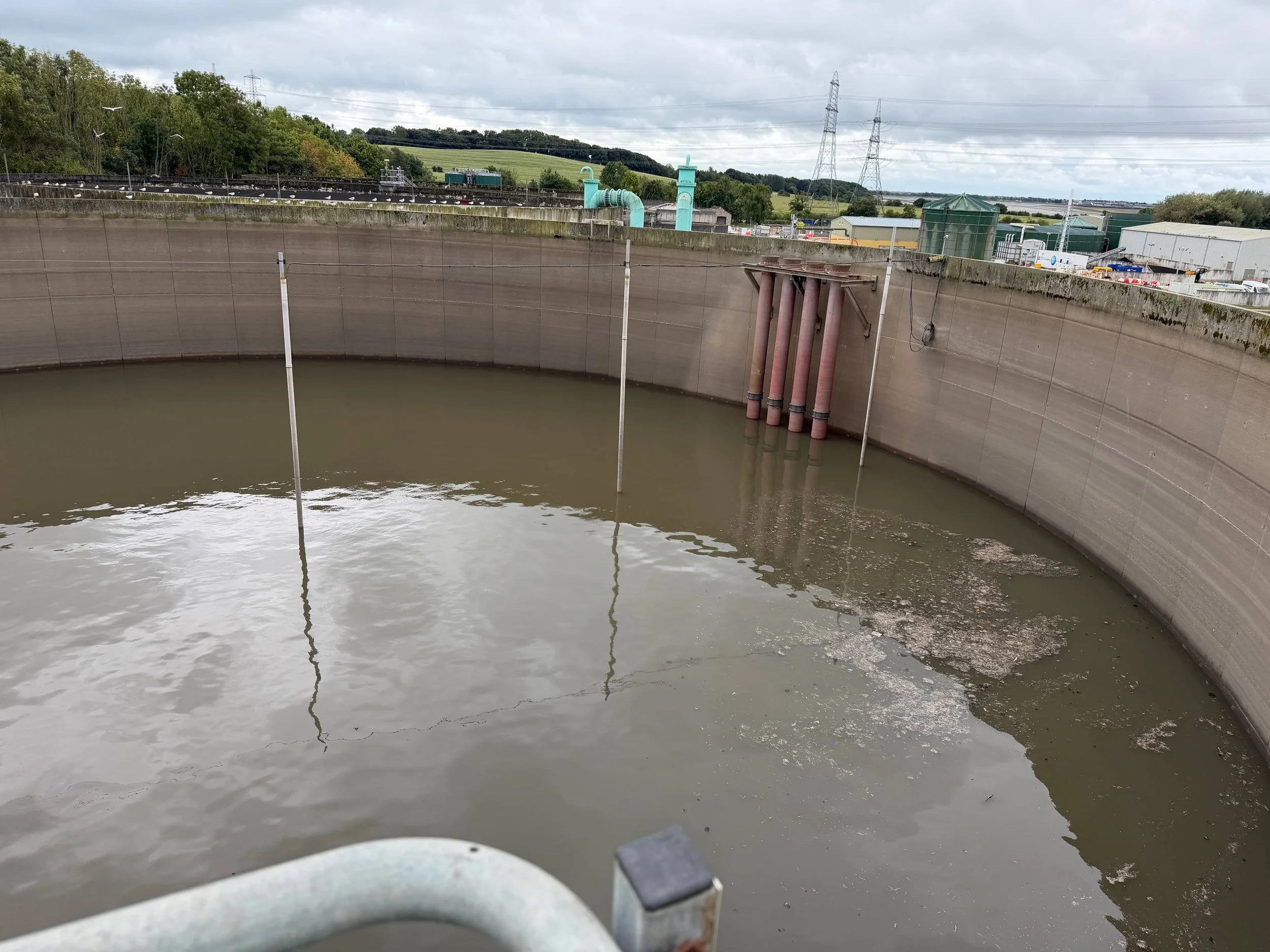
A stormwater holding tank at Stodday, August 2026: website photo
During periods of very heavy rainfall, if the volume exceeds the system's capacity, the surplus is released, which includes untreated sewage, into the river through a series of overflow outlets.
A typical house roof collects around 30,000 litres of rainwater every year – equivalent to 200 bathtubs of water – and in most cases that runs straight into the sewer network.
Lancaster can flood quickly, as can be seen in this photo of Church Street in December 2015 after Storm Desmond. Large stormwater collection tanks have been installed underground at Parliament and the Bus Station.
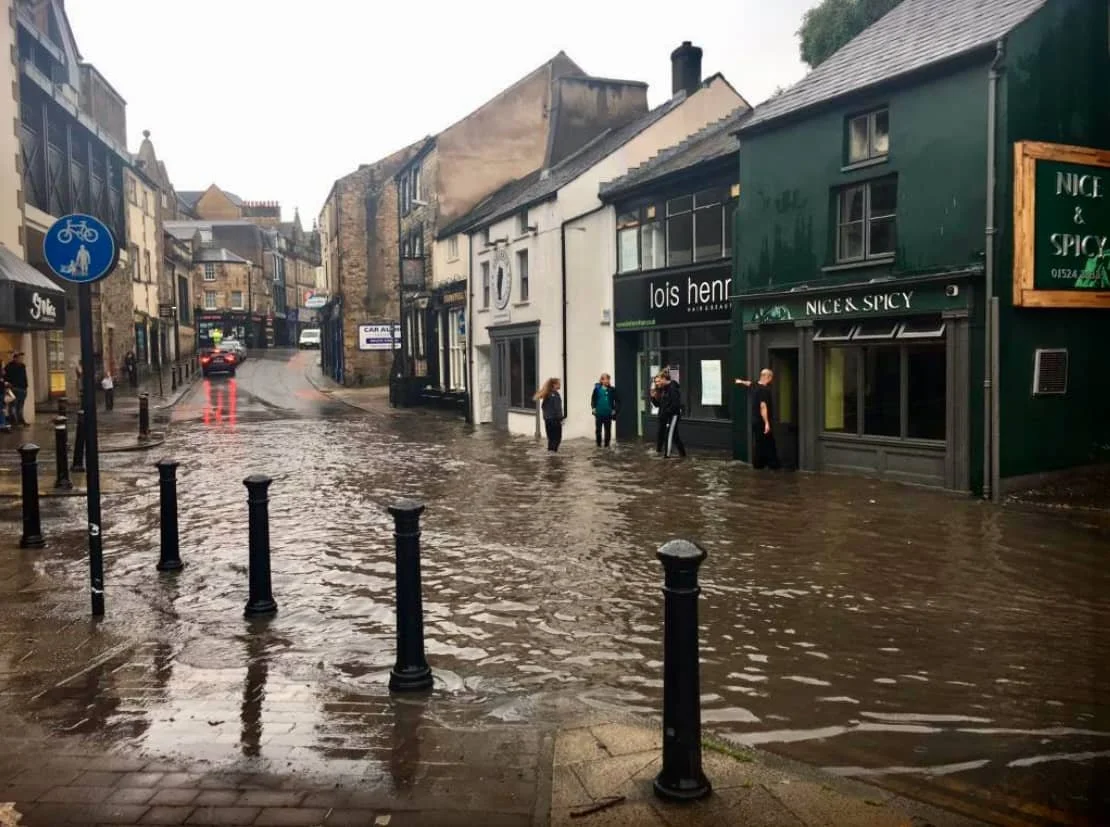
Church Street December 2015: Source United Utilities
Since the 1960s, it has been standard practice for new building developments to have separate foul and surface-water drainage sewers. The surface water is sent directly to the river.
More recently, Sustainable Drainage Systems (SuDS) are being introduced, generally designed to replicate natural drainage, e.g., above-ground infiltration ponds or below-ground soakaways, which filter water as it seeps into the ground and top up the water table.
Highway runoff on roads, and especially on motorways, reaches the Lune directly, mostly through surface-water drains.
Releases during dry weather are much less frequent, but this may occur where pipes are blocked by waste such as ‘fatbergs’
Important note: Environment Agency permits authorise Storm overflows and do not necessarily make them illegal. Discharges are lawful when they occur within the conditions of the relevant permit, typically during heavy rainfall when the sewer system’s capacity is exceeded.
Storm Overflow Data
The events are frequent along the length of the river; each event and its duration are monitored and recorded.
River Lune storm overflow discharges 2025
Selected outlets on the main river include Middleton/Overton
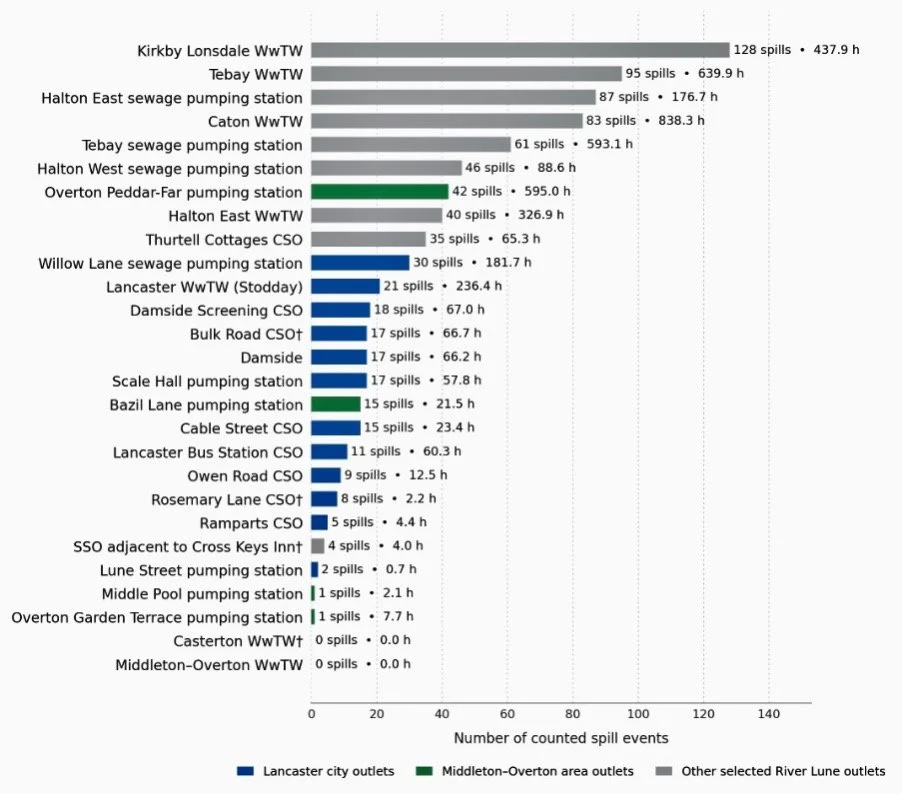
Source: EA 2025 Storm overflow annual return.
STW = Sewage Treatment Works, WwTW = Wastewater Treatment Works, SPS = Sewage Pumping Stations and CSO = Combined Sewer Overflow.
Lancaster: 170 spills, 779.4 hours; Middleton/Overton: 59 spills, 626.4 hours; Others: 579 spills, 3,170.5 hours.
Note: While the occurrence and duration are known, the actual volume of heavily diluted, untreated waste entering the river is unknown, but it will affect the river's water quality.
The 2026 year-to-date data show an exceptional reduction in spills, likely due to the dry weather.
United Utilities provides an online monitor that shows, in near real time, where and when spills occur. As this snapshot shows on 17 August 2026, there were no spills.
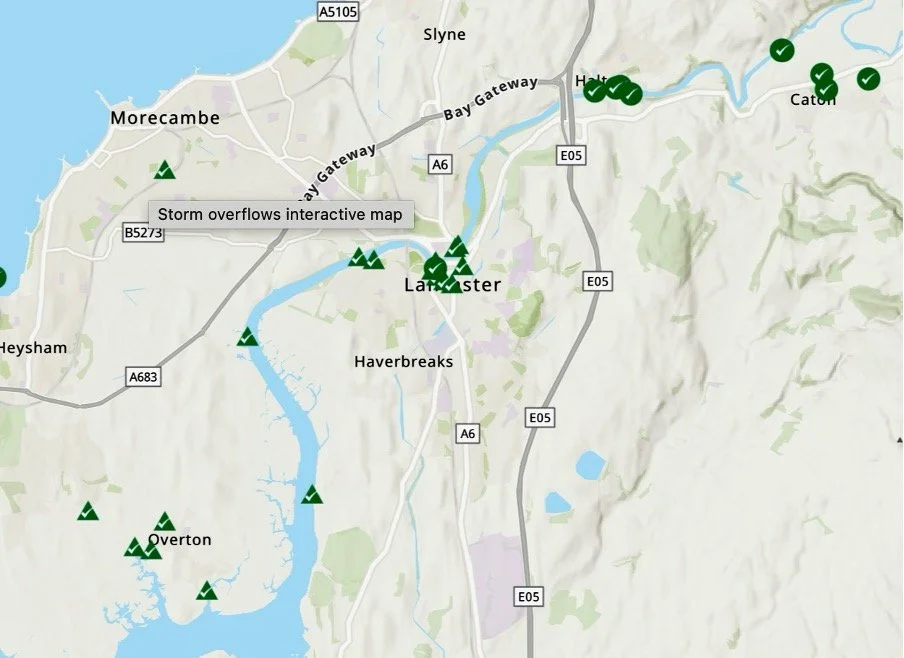
Storm overflows interactive chart: Source United Utilities
Plastic Waste
Walking the shoreline at Sunderland Point, we see considerable plastic waste deposited on the beaches. This is a small part of what was collected in Summer 2026, as examples.
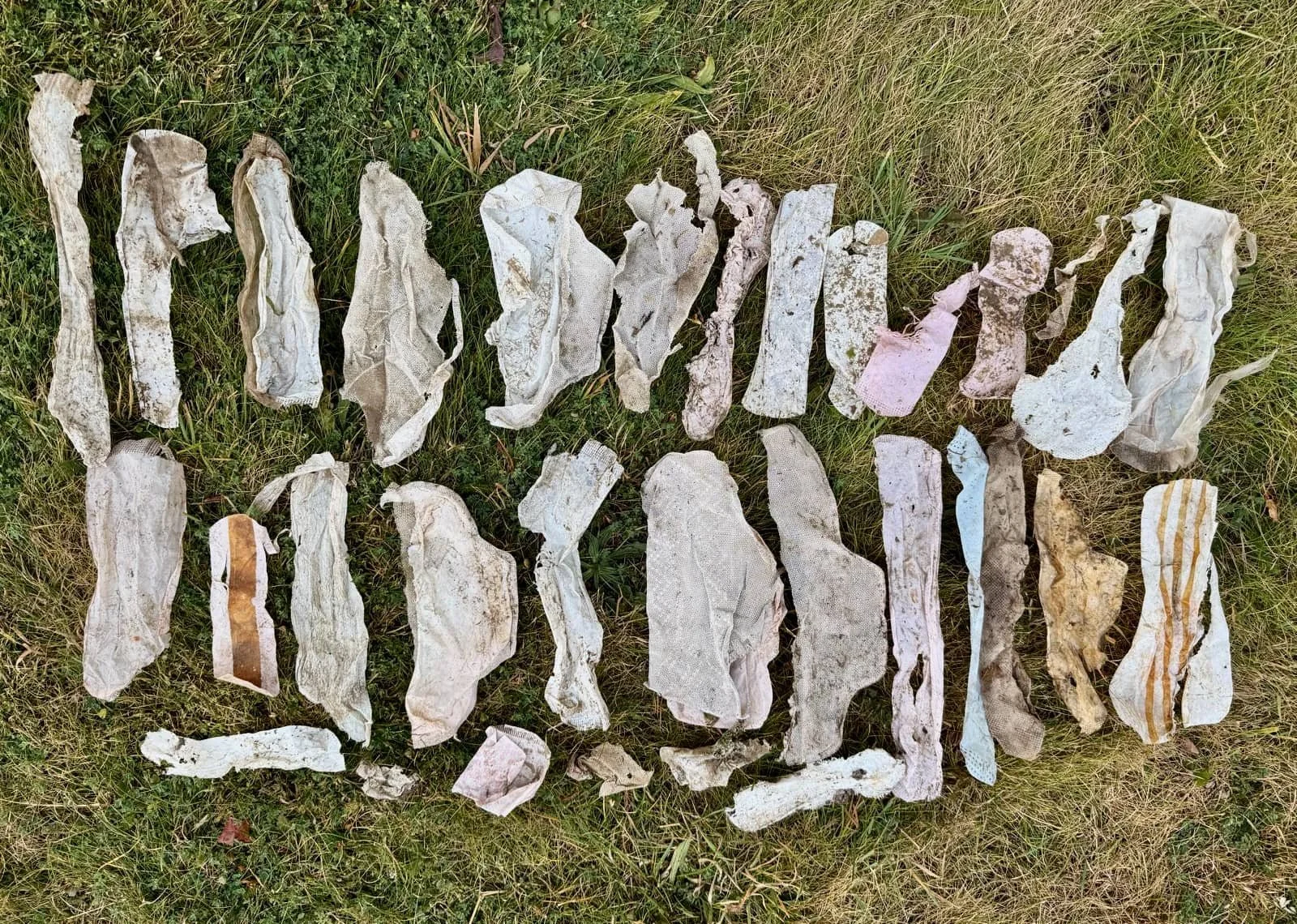
Photo: Elizabeth Gilchrist
At Stodday, plastic waste entering the wastewater system is captured at the first stage of treatment, during filtration through a fine 6-millimetre mesh (the industry standard). Screenings commonly include:
Wet wipes and cleaning wipes — many contain woven plastic fibres
Sanitary towels, tampon applicators and panty liners
Nappies and incontinence pads
Cotton buds with plastic stems
Disposable gloves and face masks
Plastic wrappers, bags, fragments, bottle tops and other litter
Dental floss and similar plastic threads
Synthetic cloth and clothing fibres
Some of this material will enter the sea through directly connected drains, but most comes from us through our domestic sanitary arrangements.
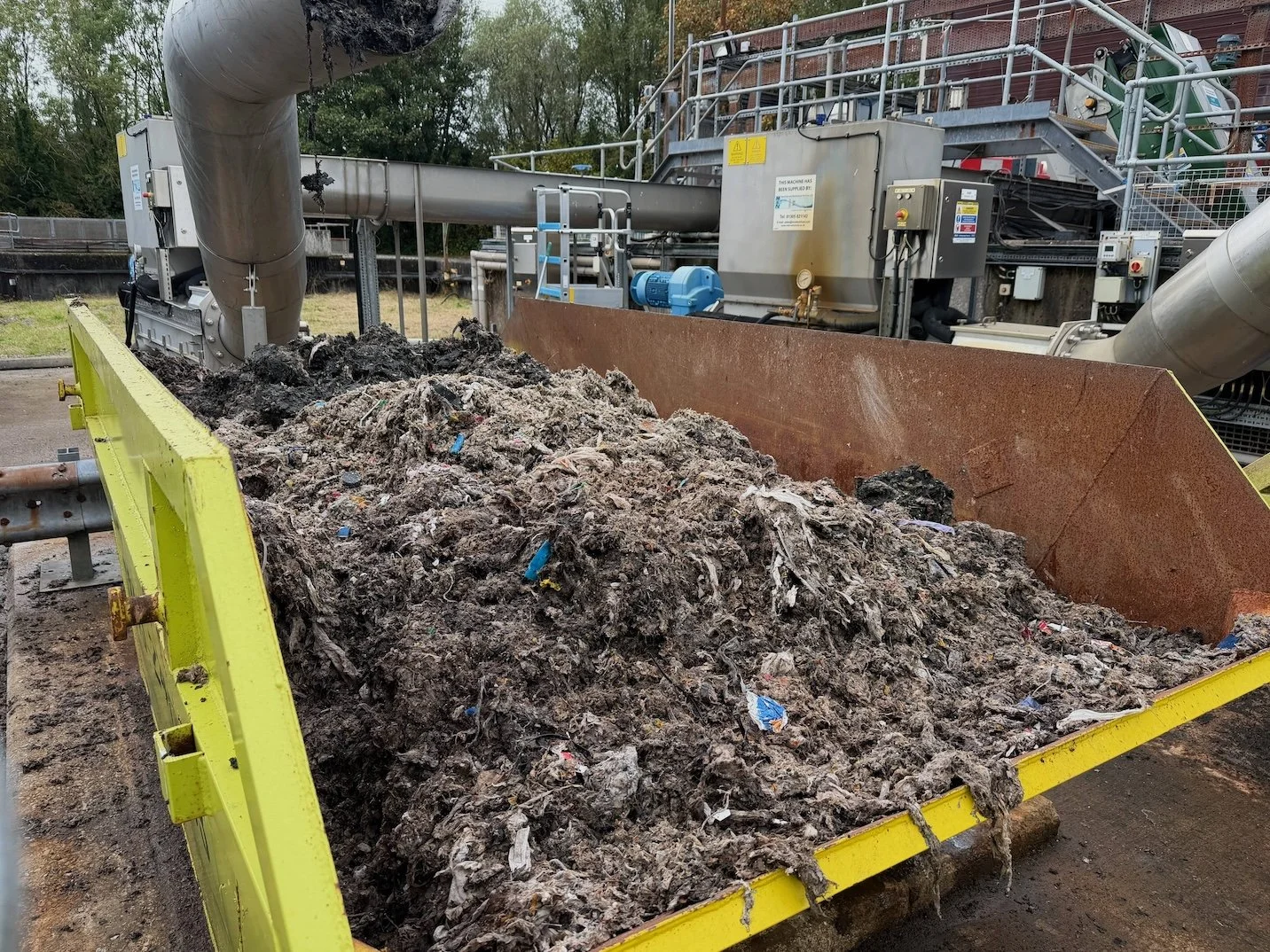
Plastic waste collected at Stodday WwTW: Website photo August 2026
As we saw, plastic waste is collected in skips. During my visit, UU staff said that, on average, three skips are taken for disposal per week.
The filtering system is highly effective and meets regulatory standards, but smaller items may still escape into the River.
The other source is storm overflows. Government policy requires 6 mm screening when storm overflows are improved under the Storm Overflows Discharge Reduction Plan.
UU advised us that ‘work on delivery is ongoing, and of those on the Lune, 70% are screened. They are checked and cleaned manually – for example, after a heavy storm event’.
Another source is misconnections, where builders have mistakenly connected the domestic system to rainwater drains.
Much of this plastic waste, which bypasses treatment and enters through storm overflows or is washed directly from land, is non-biodegradable - and even the biodegradable items take time to disintegrate. This material remains in the River, flows downstream into the estuary, and, as the tide ebbs, into Morecambe Bay.
Some of this material will return with the flood tide and be deposited again on our shores.
Important note: The Environment Agency has no published dataset that measures the quantity of plastic waste in the River Lune.
Swimming at Sunderland Point
For swimmers, the River itself is not classified as bathing water, so it is not tested for suitability. In nearby Morecambe Bay, the North and South beaches are given an annual rating, and the latest for the South beach, nearest to SP, is rated good.
So, we take our chance.

1950s postcard: Website collection.
Summary and conclusions
From the upper catchment to the estuary, the ecological rating is mixed, with poor conditions continuing around Lancaster.
Significant investment programmes are underway to improve water quality. At the Stodday works, a £48 million project is underway, mainly to increase stormwater tank capacity. Completion is expected by Spring 2029. A stormwater storage project has been completed at Caton, with similar schemes planned for High and Low Bentham and for Wray.
By 2030, the government aims for a 50% overall reduction in storm-overflow spills, with sensitive and high-priority sites expected to see improvements earlier.
By 2050, storm overflows in England are expected to discharge, on average, no more than 10 times a year, calculated over ten years.
Beyond the projects specifically aimed at storm overflows, United Utilities operates under five-year investment periods and longer-term water resource and wastewater plans. Ofwat scrutinises investment, company performance and customer charges. The Environment Agency sets fresh targets.
Customers finance this investment through water and wastewater bills, along with funding the company raises, subject to price limits set by Ofwat.
Ofwat has already approved water bill increases for the 2025–30 period to fund the agreed programme. Subsequent price reviews will consider future investment and its impact on bills, balancing environmental improvements with customer affordability.
The Environment Agency is strong on analysis, but our evidence gathering is reported as weak on investigation and prosecution.
There is consensus that multi-million-pound plans are in place to meet government-backed targets over long timescales, which will improve river water quality. Accelerating would require higher costs, which consumers would have to pay…
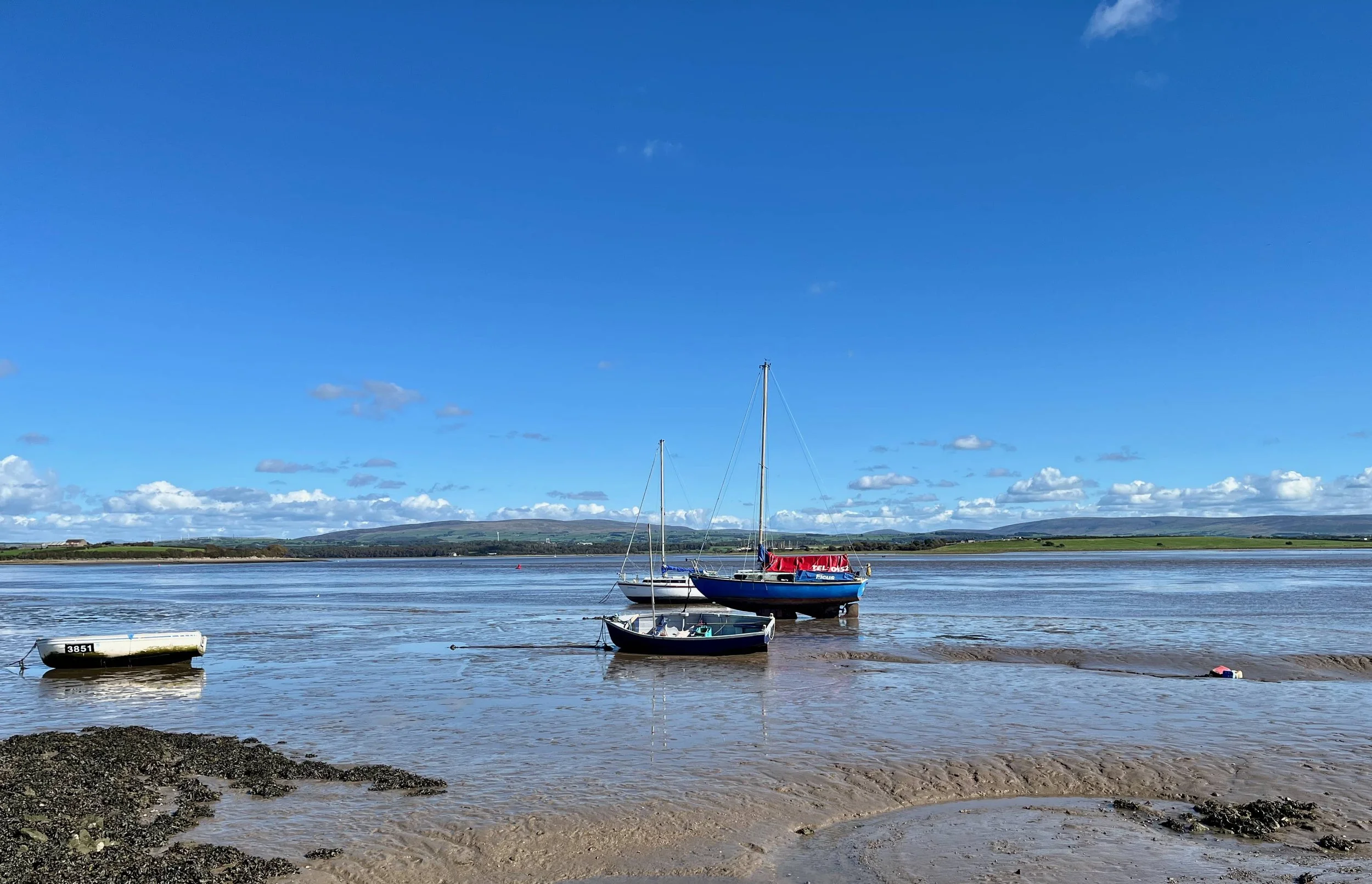
Boats by the river: Website photo
We thank United Utilities for their openness and quick response to our barrage of questions, and for organising the visit to the Stodday works. We also thank Simon and Iain for guiding me around the works with patience and enthusiasm.
Thanks also to the Environment Agency for their response to our questions and instructions on using their Water Quality Data Explorer. We were disappointed that they couldn't provide someone to speak to for clarification.
Thanks also to Tim Pitt, Trust Manager of the Lune Rivers Trust, who spoke with us about issues in the Lune catchment area.